







Cryo compression therapy
Why cold therapy works
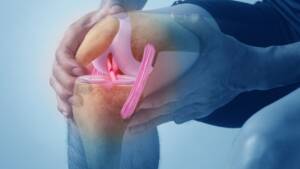
Cold therapy gently lowers tissue temperature. Combined with controlled compression, it eases pain and swelling and helps restore movement.
Compression helps move fluid away from the joint, improving comfort and mobility. Clinical reviews of cryotherapy show consistent short-term benefits for pain and swelling, particularly after injury and surgery.
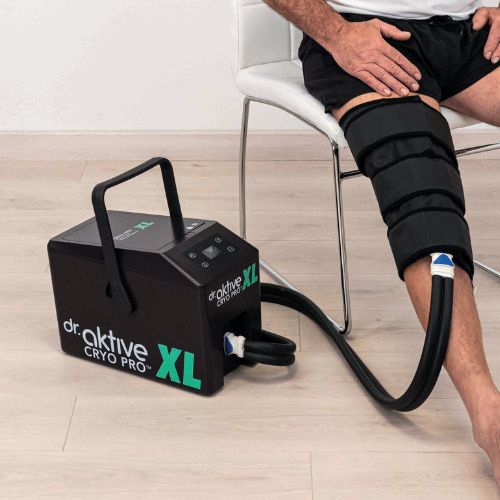
Cold compression devices are portable systems for home use. A control unit pumps cold water into a wrap around the joint, such as the knee, shoulder or ankle, with adjustable compression that drives the cold in far better than an ice pack. They are easy to use straight out of the box, bought or hired.
How cold compression helps
Cold therapy:
Reduces inflammation
Limits swelling
Eases pain
Protects tissue
Who it helps
Cryotherapy has several uses.
People with arthritis
After joint replacement
Sport and recovery
As part of a plan
Cryotherapy in action
The device circulates cooled water through the wrap, giving consistent, targeted cold with measured compression around the joint. Use it sitting comfortably at home, at an event or with your leg raised after surgery.
Supports that may help
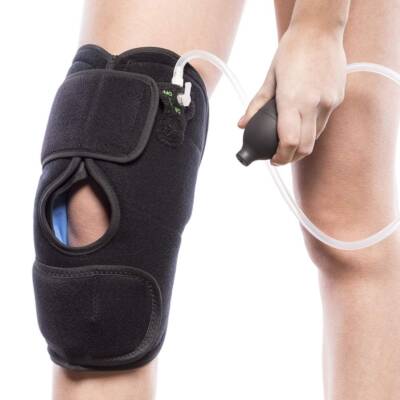
Knee cold compress
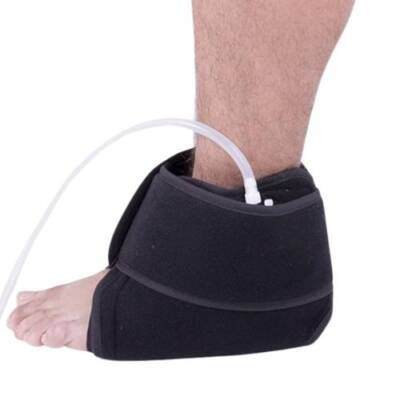
Ankle Cold Compress
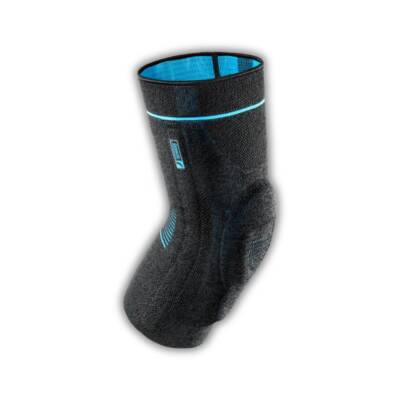
Össur Formfit® Pro Knee
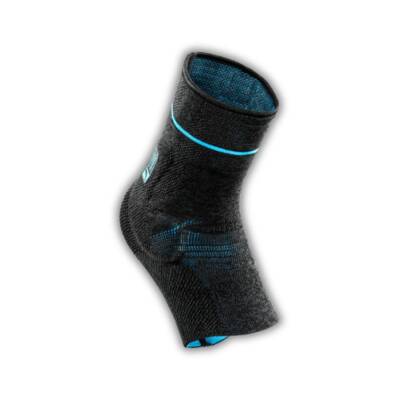
Össur Formfit® Pro Ankle
Related conditions and treatments
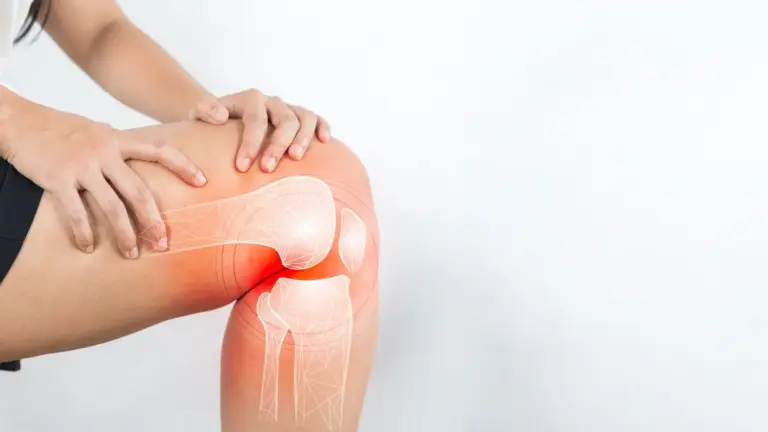
Knee Arthritis

Ankle Arthritis
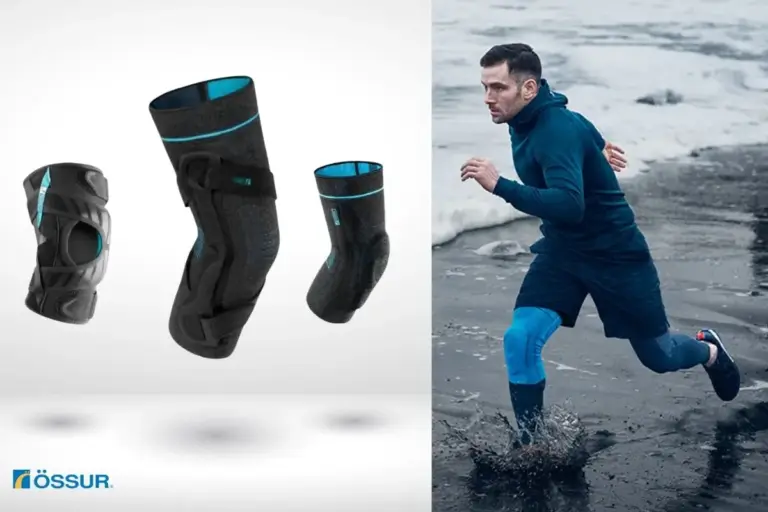
Compression support


Stories and articles
What other people have found helps, and more on staying active with joint pain.


Hiking, be prepared!

Staying active with joint pain