







Treatments
Treatment options, explained without the noise
Clinicians often combine approaches depending on the individual needs of each patient. The options within this site mirror that joined-up approach, from injections to bracing, cold therapy and beyond, using some of the world’s most trusted solutions.
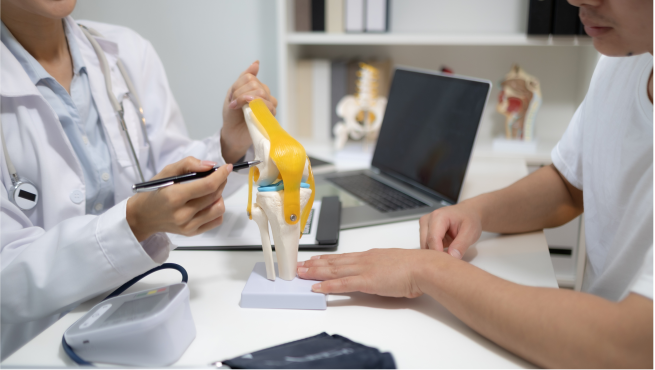
Treatment guides
Clinician-written guides to the injection therapies, supports and recovery aids used by our Centres of Excellence: what each one is, how it works and who it suits.
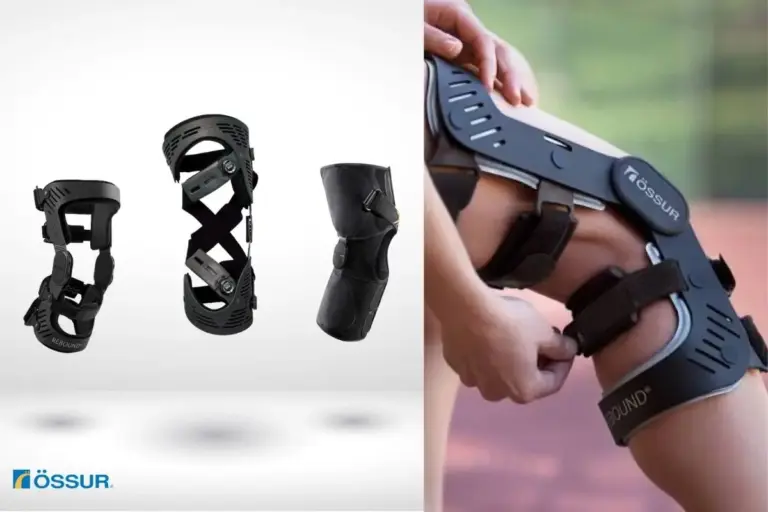
Bracing
Whether you want to manage arthritis pain, support an unstable knee or recover after surgery, the right brace can help. Explore Össur’s specialist knee braces and understand which type of support fits your needs.
Read the guide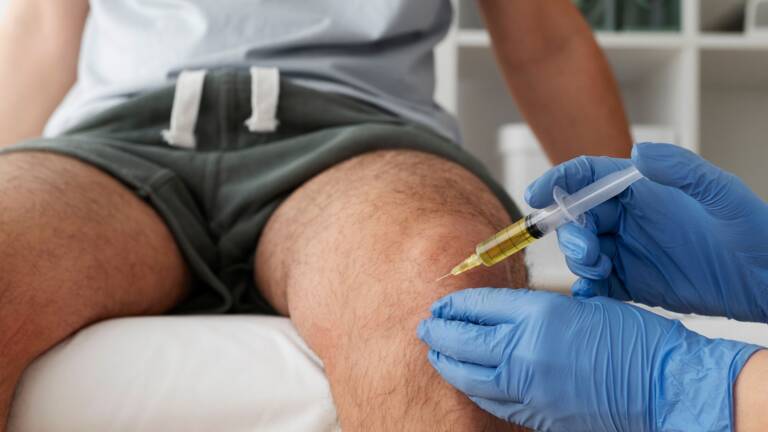
Joint injections
Joint pain can slowly change how you move, exercise, and go about daily life. When symptoms don’t settle with physiotherapy, activity changes, or simple pain relief, joint injections are sometimes considered as part of a wider treatment plan.
Read the guide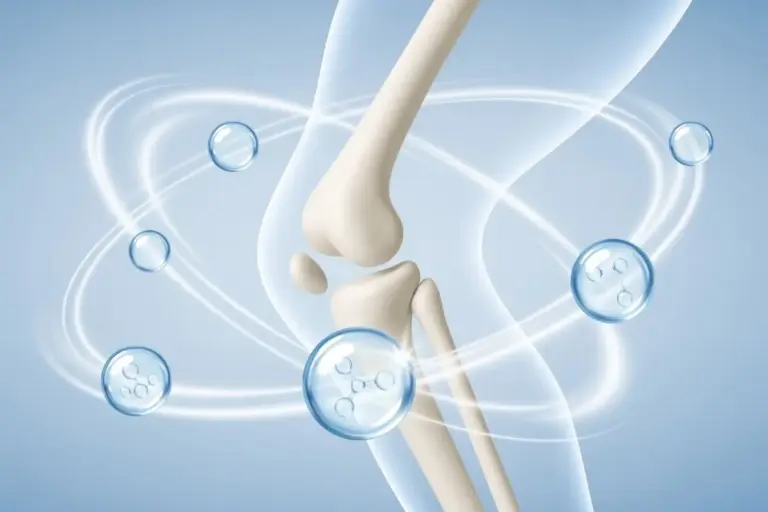
Hyaluronic acid
A clear guide to hyaluronic acid (HA) for joint pain and osteoarthritis: what it is, how HA injections work, who they suit, benefits, risks, and what results to expect.
Read the guide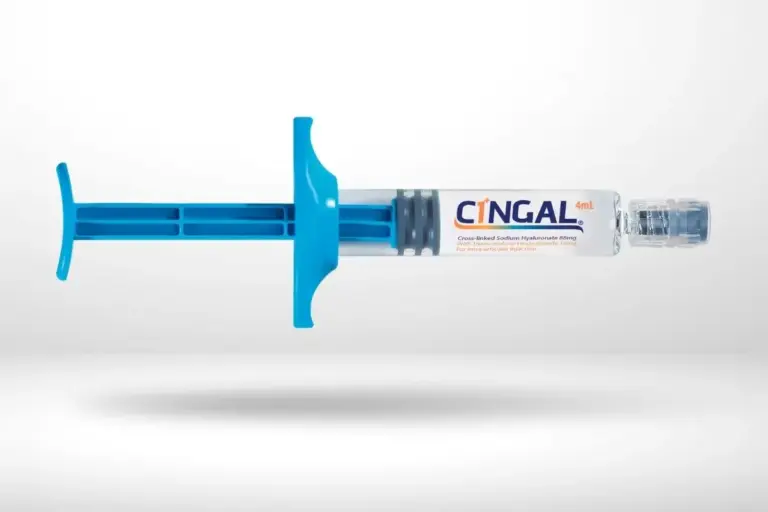
Cingal for joint pain
Relief from joint pain, without rushing to surgery. If joint pain is starting to limit your walking, exercise, or confidence in day-to-day movement, treatments like Cingal can help.
Read the guide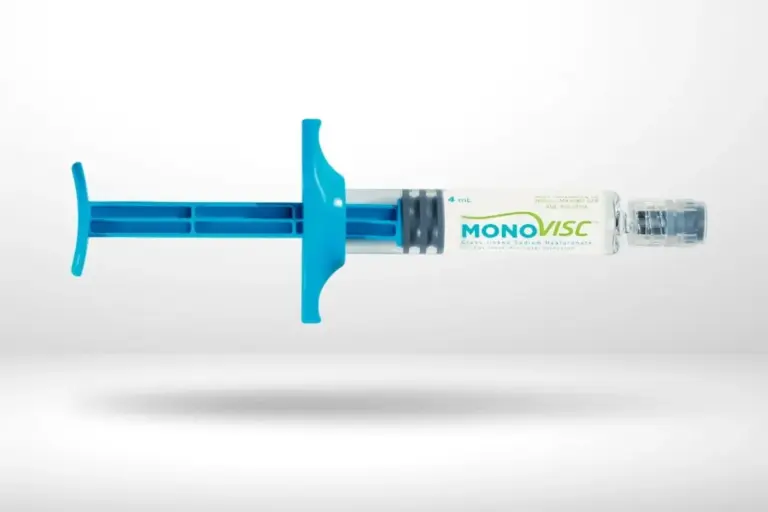
Monovisc for joint pain
If joint pain is starting to limit your routine, exercise, or confidence in day-to-day movement, treatments like Monovisc can help.
Read the guide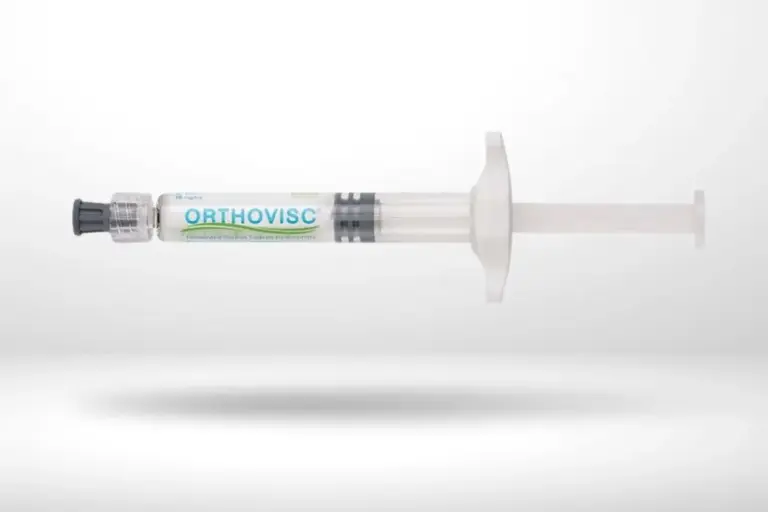
Orthovisc for joint pain
If pain in your hands, fingers, wrists, or toes is starting to affect daily tasks, grip, or fine movement, treatments like Orthovisc may help.
Read the guide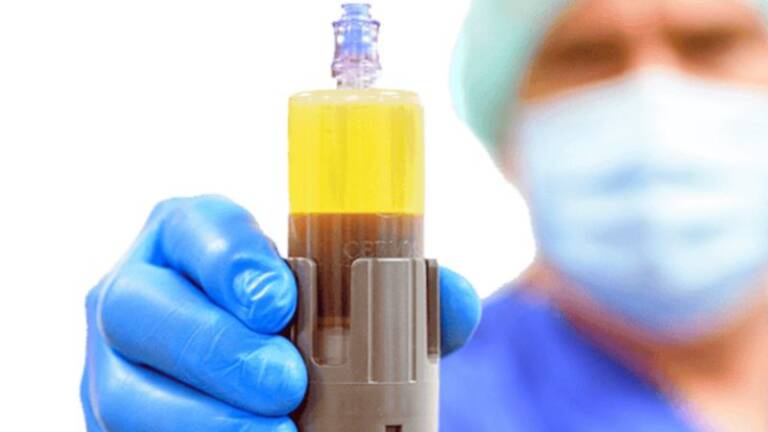
Could PRP help?
Platelet-rich plasma (PRP) uses concentrated platelets from your own blood to help manage joint and tendon pain. Discover how it works, what to expect and whether it could support your return to more comfortable movement.
Read the guide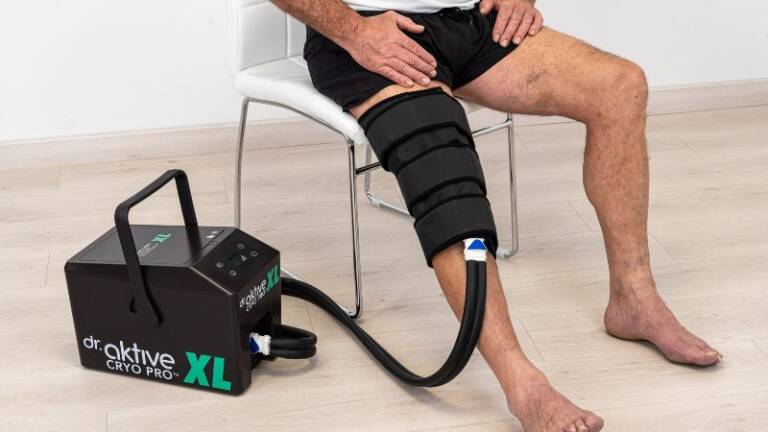
Cryo compression therapy
When a joint becomes irritated, whether from osteoarthritis, overuse, or surgery, the body increases blood flow to the area. This helps healing, but it also creates swelling and pressure within the joint. Compression combined with cold has been proven to reduce pain and swelling, while enhancing recovery.
Read the guide
Compression support
If you have joint pain, swelling or instability, one of the simplest and most effective tools is external support. It isn't always a heavy, restrictive support that's needed. The right level of compression or bracing can help you to stay active or recover from an injury.
Read the guideA note on injection therapies: these are administered by a clinician, so rather than sourcing them yourself, start by finding a Centre of Excellence near you. They will assess whether an injection is right for you and arrange it.