







What is osteoarthritis? Symptoms and what helps

BBC Morning Live put a familiar problem into numbers.
Around ten million people in the UK live with osteoarthritis. If you recognised your own knee, hip or hands in that discussion, you might have a question closer to home. What exactly is changing inside my joint? BBC Morning Live’s osteoarthritis clinic covered how colder, damp weather can make it feel worse. Dr Xand explains how best to cope with the condition, including why exercise is best for keeping joints well oiled, plus special stretches for your thumbs!
Here is the clip – BBC Morning Live
Perhaps you first noticed it getting out of the car. Your hip felt stiff for the first few steps, then eased. Or maybe it’s your fingers. By the time you’ve got the lid off a jar, the joint at the base of your thumb is aching. Both can happen with osteoarthritis, often shortened to OA.
What’s happening inside the joint?
Picture the end of your thigh bone where it meets your shin. Both surfaces have a smooth covering of cartilage that helps them move over each other. With osteoarthritis, that covering can thin and become uneven. The bone underneath can change shape, and the lining of the joint can become irritated. That helps explain how the same knee can feel stiff after a car journey, ache on the stairs and occasionally puff up enough to make bending it awkward.
People often call this “wear and tear”. Understandably, that makes some people start saving their steps. But a living joint can adapt, and the muscles around it can get stronger. Symptoms can settle for long stretches. A sore week tells you how that week felt. On its own, it tells you very little about how far you’ll be able to walk next summer. Arthritis UK’s guide to osteoarthritis
Do I need an X-ray to know?
Often, your description gives a clinician most of what they need. If you’re 45 or over, the pain tends to come on with activity, and any morning stiffness eases within half an hour, a GP or physio can usually diagnose osteoarthritis after talking to you and examining the joint. If the pattern is different, they may investigate further. Mention it if you’re still struggling to loosen up well after breakfast, or the pain has changed quickly.
Will it keep getting worse?
It varies. Some people have long stretches when their symptoms barely bother them. Others find that pain gradually gets in the way of sleep, work or getting about. If someone in your family needed a knee replacement, it’s understandable to wonder whether you’ll follow them. Your symptoms, how much they affect your life and how you get on with treatment will guide that conversation.
If you enjoy walking, that’s a good place to start. Suppose the first ten minutes feel comfortable but the hill home leaves you struggling. Try a shorter, flatter route, then see how you feel that evening and the following morning. A little discomfort when you start exercising is common. If you’re limping home each time or the knee keeps swelling, ask a physio to help you adjust the distance and work on strength.
You can be quite specific about what you want help with. “I want to get down the steps at the football without turning sideways” gives a physio something to work towards with you. They can watch how you manage a step, find a starting exercise you can do comfortably enough, and show you how to build it up. Regular, tailored exercise is one of the best-supported treatments for osteoarthritis. NICE guidance on exercise
And if you’ve been turning down walks because you’re worried you won’t get back, say that at the appointment too. Being able to say yes when someone asks, “Fancy coming along?” is a perfectly good reason to get some help.
Related guides
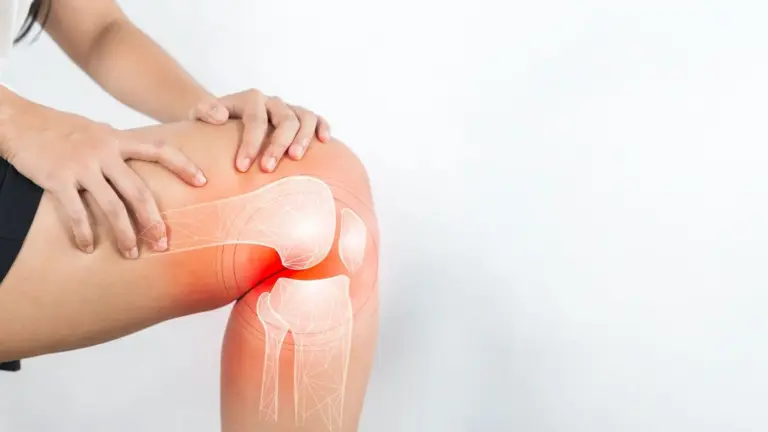
Knee Arthritis

Hip Arthritis
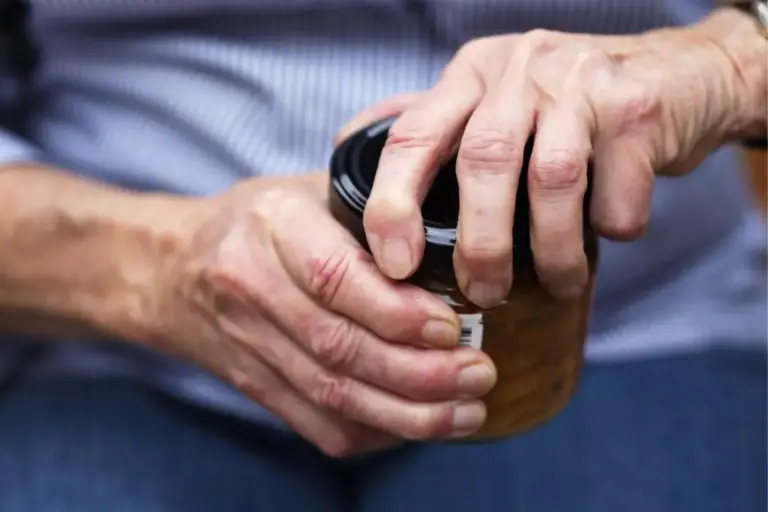
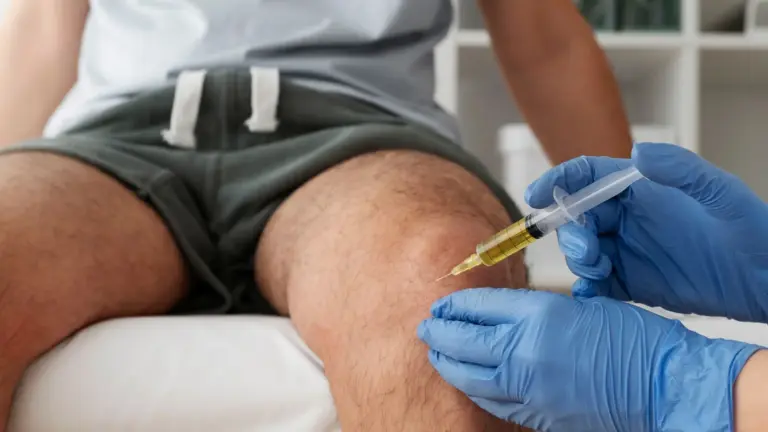
Joint injections

Cingal for joint pain

Monovisc for joint pain

Compression support

Bracing
More from the community


When knee pain keeps interrupting the things you enjoy, it is natural to wonder what else might help.

Steroid, hyaluronic acid, Cingal or Arthrosamid? Understand the differences between joint injections for arthritis, when they may be considered, and where compression and bracing could fit into your plan.

Ever come away from an appointment and remembered the question you really wanted to ask?


A practical guide to treatment options, support tools and everyday strategies
Useful downloads
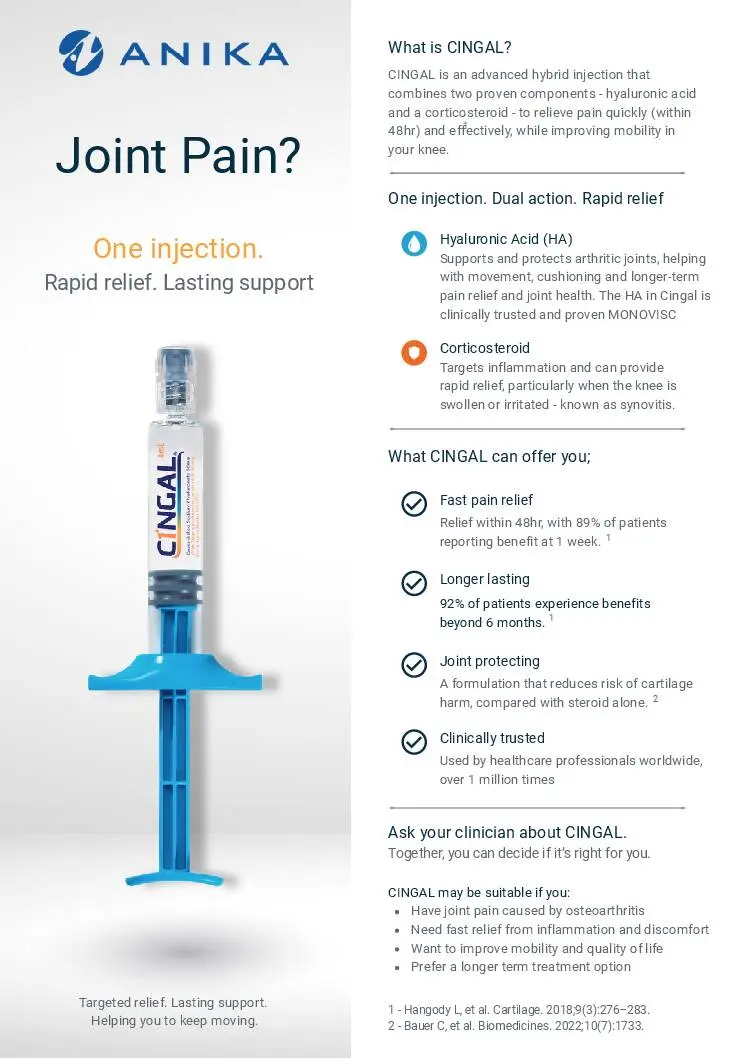
Cingal Overview Guide
Manufactured by world leader in joint care treatments, Anika. Learn more about breakthrough injection Cingal
Open the PDF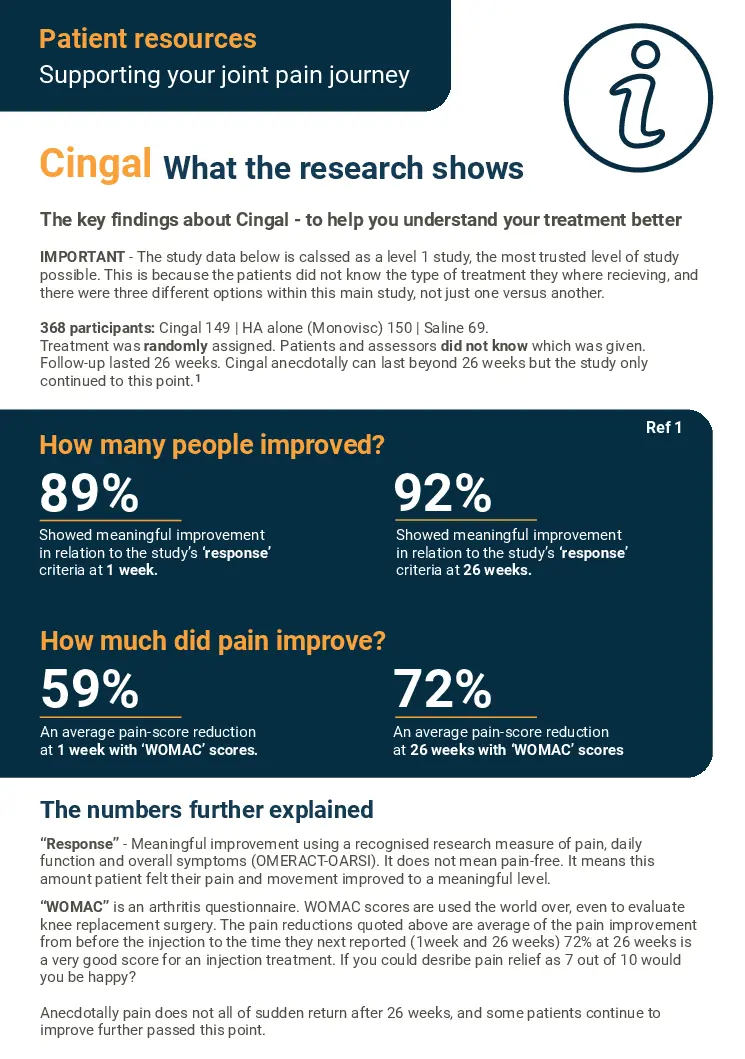
Cingal Study Data Information
Cingal study data for joint pain relief- easy to understand
Open the PDF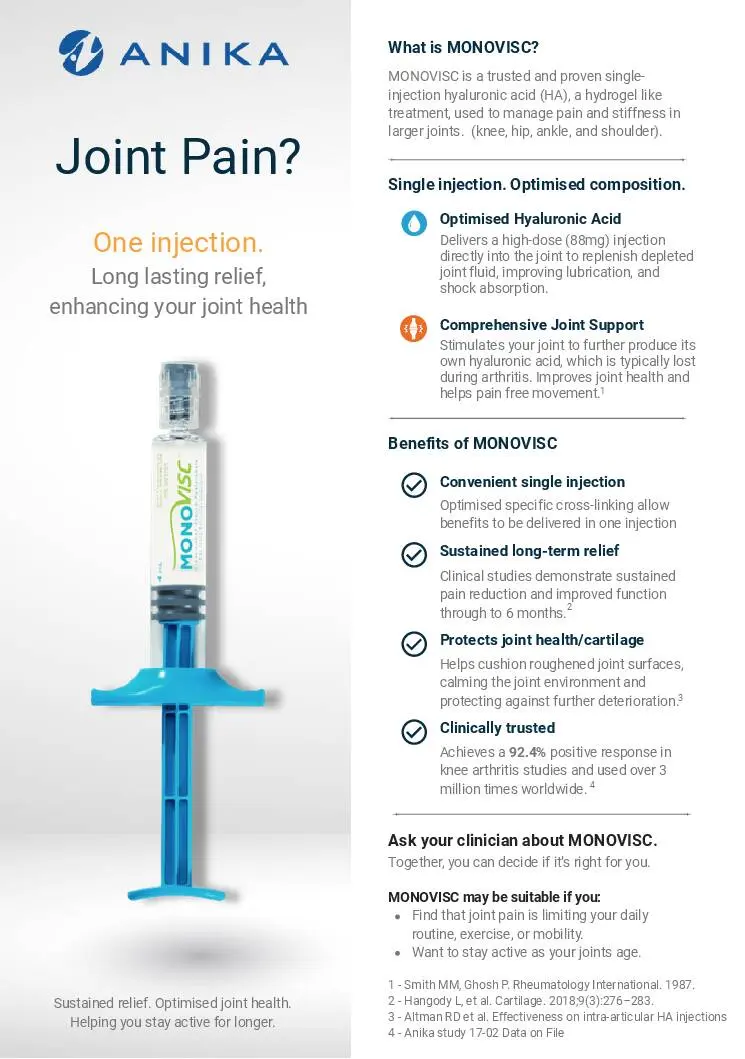
Monovisc Overview Guide
Manufactured by world leaders in joint care treatments, Anika. Monovisc has been trusted for joint pain treatment over 3 million times worldwide.
Open the PDF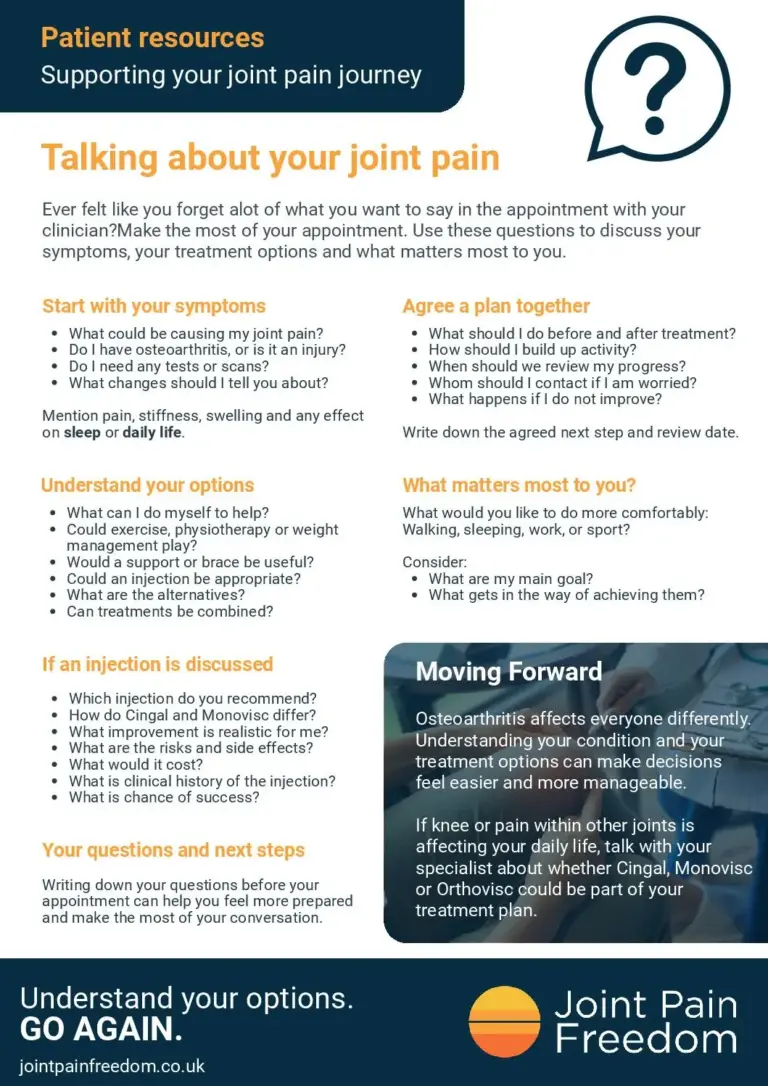
Talking about your joint pain
Questions to take to your appointment, covering your symptoms, your treatment options and what matters most to you.
Open the PDF