






Opens in a new tab
Treatment guide

Joint injections

Joint pain can slowly change how you move, exercise, and go about daily life. When symptoms don’t settle with physiotherapy, activity changes, or simple pain relief, joint injections are sometimes considered as part of a wider treatment plan.
Joint injections

What to expect from a joint injection
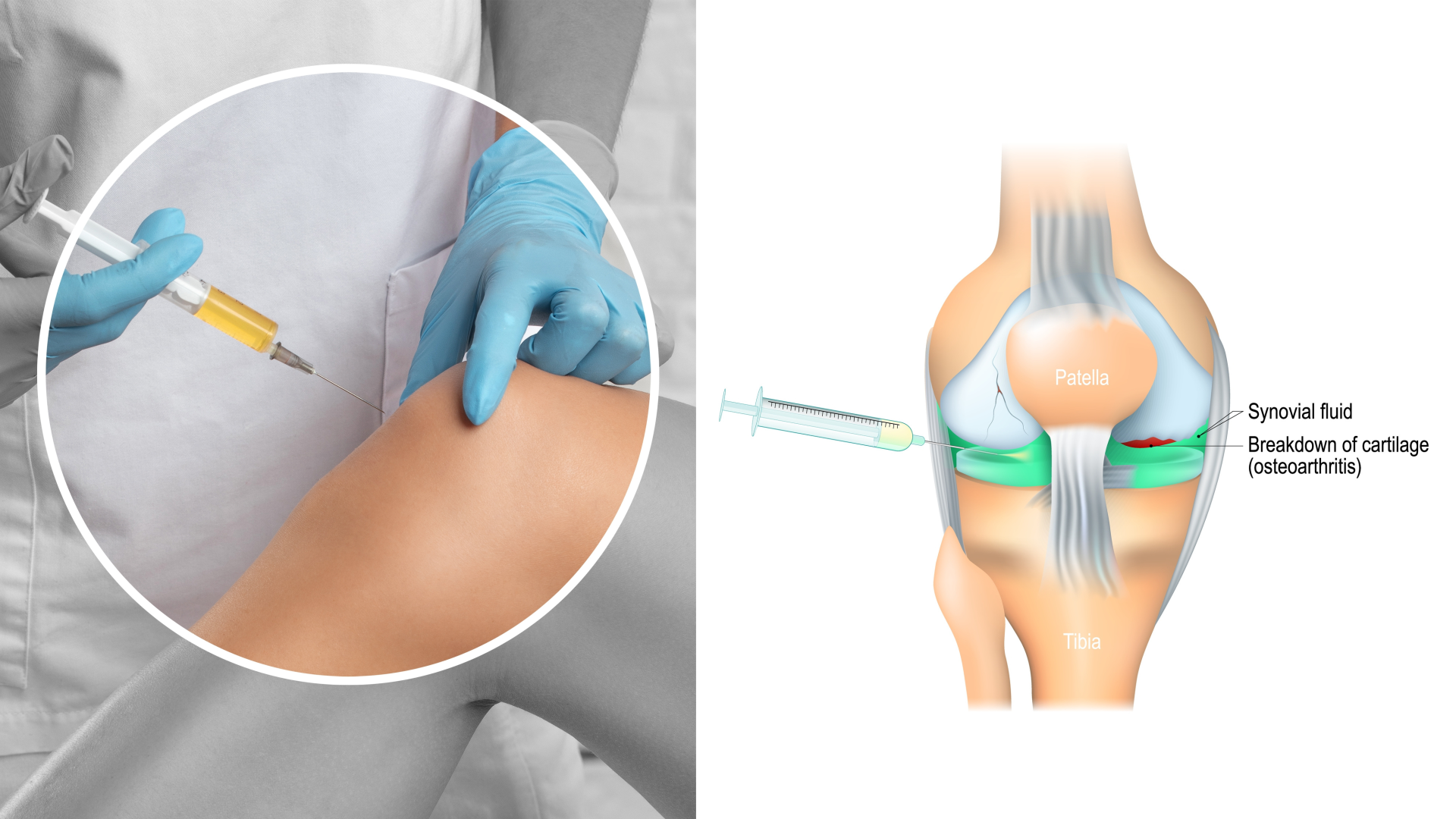
Illustration of an injection into the knee joint

Joint injections help manage pain and stiffness from conditions such as osteoarthritis. They are not a cure, but for many people they reduce symptoms, improve movement and support a more active life.

The right injection, or whether an injection is right at all, depends on the joint affected, the cause of the pain and your circumstances. Injections are given in all joints, and around painful tendons such as in tennis elbow.

The shared goal of every type is to reduce pain and stiffness and support movement, which can make exercise and rehabilitation more comfortable. Some injections are widely available on the NHS; others are usually accessed through private clinics.

Commonly offered types of injection

A joint injection places treatment directly into a painful or stiff joint, so it works where it is needed rather than affecting the whole body like tablets.

Steroid

Helps reduce inflammation during painful flare-ups. Relief is shorter-term, often 6 to 12 weeks, and repeat injections can harm the joint.

Hyaluronic acid

Improves joint lubrication and cushioning and reduces stiffness, supporting longer-term joint health in mild to moderate osteoarthritis.

Biologics (PRP)

Uses components of your own blood to support tissue healing and joint health. Often considered when longer-term support is needed.

Combination treatments

Designed to give earlier pain relief with longer-lasting support, typically hyaluronic acid combined with a steroid or with PRP.

The path to a joint injection

Joint injections are usually one step in a treatment plan, not a last resort.

Recognising you need help

Pain may start gradually or after an injury. Many people try rest, physiotherapy, exercise or pain relief first. When symptoms keep limiting daily life, an assessment helps.

Getting an assessment

Contact a clinic directly or be referred by your GP, physiotherapist or specialist. The clinician examines the joint and may review or arrange an X-ray or ultrasound.

Your first appointment

If an injection is suitable, the clinician explains the options for your joint, how long benefit may last and the limits, so you can decide without feeling rushed.

The injection itself

Usually given in a clinic in a few minutes. The area is cleaned and the injection placed into the joint, sometimes with ultrasound guidance. Most people go home soon after.

Aftercare and recovery

You may be asked to take things easy for a short time. Some people notice improvement within days; for others it builds over the following weeks.

Review and next steps

Injections sit alongside physiotherapy, strengthening and lifestyle support, and may be repeated if symptoms return. Scoring your pain when asked helps judge progress.

Why people have joint injections

An injection may be considered when:

Pain is not improving

Pain or stiffness is not settling with physiotherapy or exercise.

Daily life is getting harder

Everyday activities are becoming more difficult.

Flare-ups hold you back

Flare-ups keep limiting your progress with rehabilitation or activity.

Surgery is not the answer yet

Surgery is not needed, or not wanted, at this stage.

Injections for non-surgical management of joint pain
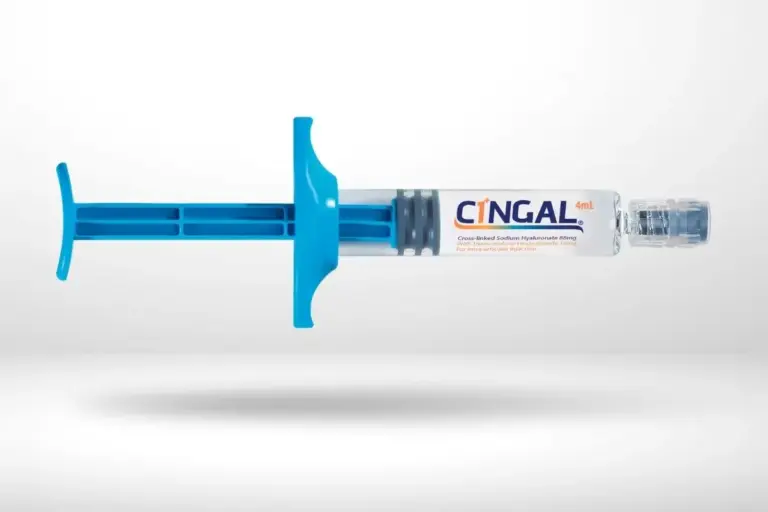
A unique hybrid joint injection

Cingal for joint pain

Relief from joint pain, without rushing to surgery. If joint pain is starting to…
Read the guide
A long-acting hyaluronic acid injection

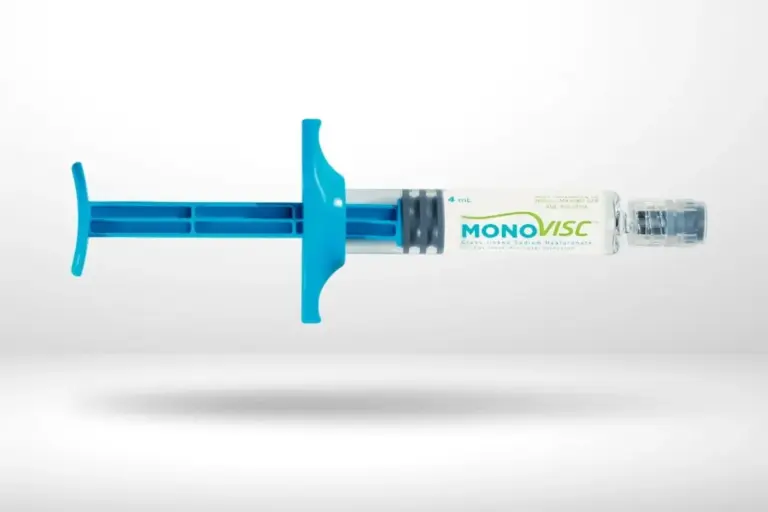
Monovisc for joint pain

If joint pain is starting to limit your routine, exercise, or confidence in day-to-day…
Read the guide
A trusted hyaluronic acid injection for smaller joints

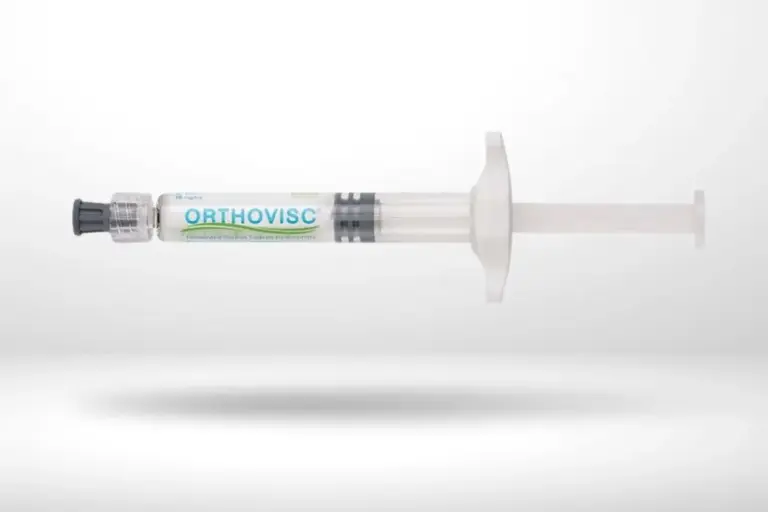
Orthovisc for joint pain

If pain in your hands, fingers, wrists, or toes is starting to affect daily…
Read the guide