







Hyaluronic acid

Osteoarthritis isn’t just worn cartilage
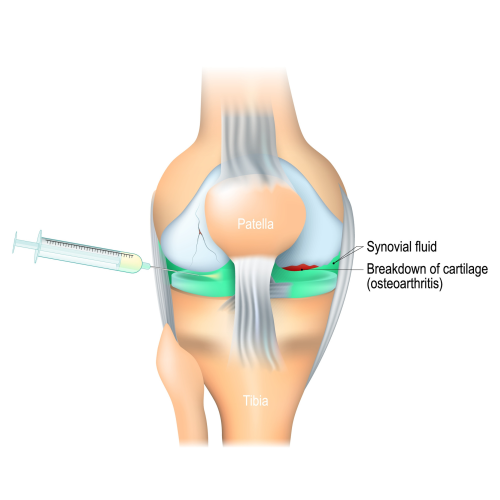
Osteoarthritis is a whole-joint condition involving cartilage, bone, the joint lining (synovium), inflammation and mechanics. When a joint is irritated, the fluid inside it changes.
Two things commonly happen: natural hyaluronic acid (HA) breaks down faster, so it lubricates and cushions less well, and the joint may make less effective HA than before.
That feeds a familiar cycle: pain, moving less, a stiffer and weaker joint, and pain that is easier to trigger. HA injected into the joint can help ease that cycle.
Important: your scan stage and your pain level don’t always match. HA is about symptoms and function, not just what an X-ray says.
How hyaluronic acid injections work
HA injections (viscosupplementation) place hyaluronic acid into the joint, most commonly the knee, hip, ankle or shoulder. They are not a cure, but they can help you progress with rehab and activity.
Lubrication and cushioning
The joint’s own HA
A few weeks to full effect
HA or steroid?
Part of a bigger plan
Who HA injections tend to suit
A good clinician looks at your symptoms, goals, joint and overall picture, not just the wording on a scan report. People who often do well have:
Osteoarthritis pain and stiffness
Symptoms that haven’t settled
A goal of staying active
An achy, stiff joint
Common questions
Does hyaluronic acid work for knee osteoarthritis?
It can help some people with knee osteoarthritis reduce pain and improve function, particularly alongside rehabilitation and movement.
Is hyaluronic acid the same as a dermal filler?
Same family, but a different use, function and often molecule size. Joint HA supports the fluid inside the joint.
Can I have HA injections if I’m very active?
Often that is exactly the aim: keeping you moving. Suitability depends on your joints and symptoms, but HA at an early stage can be an excellent option for active people.
What results can I expect?
Most people want less pain and stiffness, easier walking and stairs, fewer flare-ups and more confidence moving. The big win is what you do during that window: build strength and get back to regular activity.
How do I know if it’s right for me?
A clinician’s assessment matters: the right option fits your symptoms, joints and goals. HA occurs naturally in the body, so it is very well accepted.
What will my clinician consider?
– Whether your symptoms fit osteoarthritis.
– Whether the joint is mainly stiff and achy, or hot and reactive.
– Whether imaging lines up with the overall picture.
– Whether treatment will help you move and rehabilitate better.
– Whether it matches your lifestyle goals.
Injection options in the Joint Pain Freedom network

Cingal for joint pain

Monovisc for joint pain
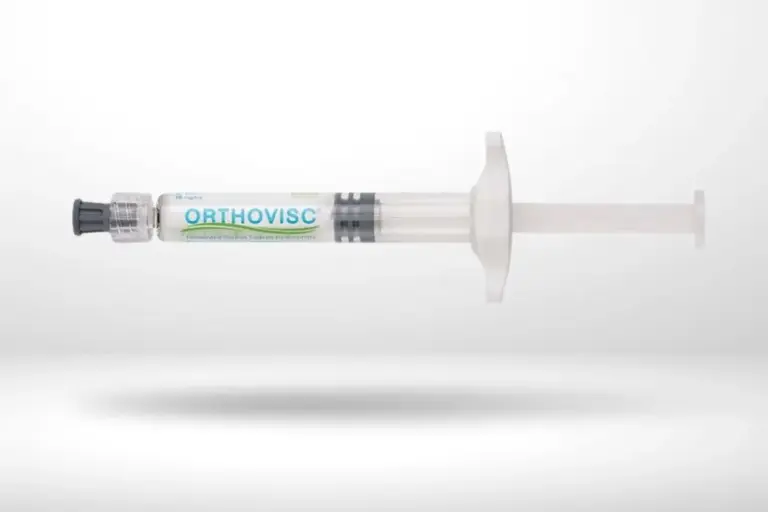
Orthovisc for joint pain
Supports that may help
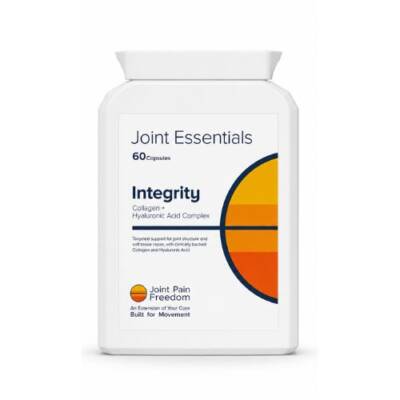
Integrity - Joint Essentials
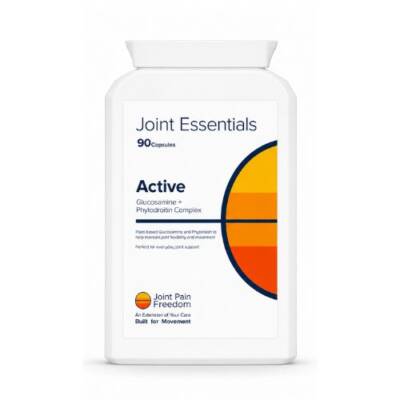
Active - Joint Essentials
Related conditions and treatments

Knee Arthritis

Hip Arthritis
Cingal for joint pain
Monovisc for joint pain
Orthovisc for joint pain
Stories and articles
What other people have found helps, and more on staying active with joint pain.


Cingal is protective

The Osteoarthritis Treatment Journey

Understanding a little more about Arthritis

Joint injections for arthritis: comparing your options