







Toe arthritis

The big toe plays a bigger role than you might think
Does this sound like your big toe?
- Pain at the base of the big toe when walking, running or pushing off
- Stiffness or difficulty bending the toe upwards
- Swelling or tenderness around the joint
- A hard bump that rubs against shoes
- Changing the way you walk to avoid pressure on the painful toe
These symptoms can be consistent with big toe osteoarthritis, sometimes called hallux rigidus. However, bunions, gout, sesamoid problems and other foot conditions can cause similar pain. A clinician can assess the position and movement of the toe, with a standing X-ray used when needed.
The big toe helps control balance and provides much of the final push as you take each step. This places considerable pressure through a relatively small joint. Previous injury, foot shape, alignment and repeated loading can all contribute to changes in the cartilage and surrounding bone. Although the joint is small, pain and stiffness here can significantly affect walking, exercise and footwear.
Understanding the big toe joint
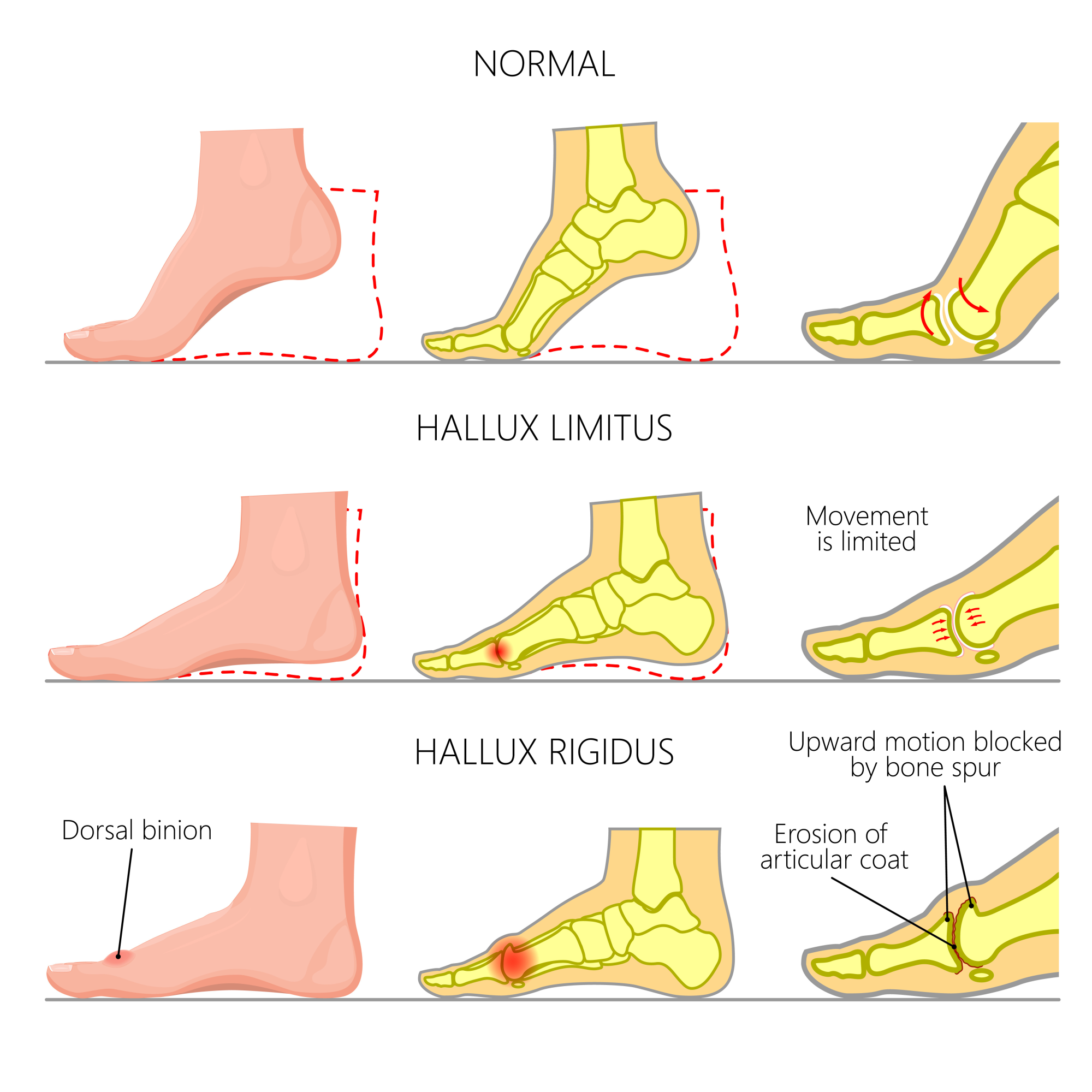
The joint at the base of the big toe is called the first metatarsophalangeal, or MTP, joint. It needs to bend upwards as your heel lifts from the ground, helping you balance and push forwards with each step.
The illustration shows a common pattern of change. With hallux limitus, upward movement of the big toe becomes restricted. In more advanced hallux rigidus, cartilage loss and the development of a bone spur can further limit movement. Symptoms vary, however, and not everyone progresses through these stages in the same way.
Common symptoms
Here are common symptoms, of course there are more.
Pain at the base
Stiffness
Swelling
Bending upwards
A hard bump
Footwear
What’s happening: the stages of arthritis
Osteoarthritis is common and progressive, but many people manage it well, particularly when symptoms are understood early and the right treatments are considered. Stages describe how the joint looks on an X-ray; pain and damage do not always match, and your symptoms matter more than the stage.
How big toe arthritis is assessed
NICE recommends exercise as a core treatment for osteoarthritis. Getting an image or scan straight away is not always needed, and arthritis symptoms can sometimes overlap with other health issues, so it is always best to seek professional advice.
Symptom history
Physical examination
X-ray if needed
Further imaging
What helps: movement, support and the right treatment at the right time
Pain at the base of the big toe can affect every step, particularly as the foot pushes away from the ground. Osteoarthritis of the big toe joint, often described as hallux limitus or hallux rigidus, is one possible cause, but bunions, gout and problems involving the surrounding tissues can produce similar symptoms.
Treatment depends on how much movement remains in the joint, the cause of the pain and how it is affecting walking, footwear and everyday activity. Small changes can sometimes make a considerable difference.
Movement without pushing
Footwear and pressure relief
Podiatry and foot care
Treatments and choices
FAQs about toe issues and pain
These are some of the questions clinicians hear most often about big toe pain. We hope the answers below help you make sense of your toe problem.
What are the most common causes of big toe pain?
Pain around the big toe can come from osteoarthritis, a bunion, gout, an earlier injury or irritation of the tendons and small sesamoid bones beneath the joint. The location of the pain, how quickly it developed and whether the toe is swollen, stiff or misshapen can help identify the likely cause.
What are the symptoms of big toe osteoarthritis?
Common symptoms include pain at the base of the big toe, stiffness, swelling and difficulty bending the toe upwards. You may also notice a hard bump on top of the joint, discomfort in shoes or pain when walking, running or pushing away from the ground.
What is the difference between hallux limitus and hallux rigidus?
Hallux limitus describes restricted movement at the base of the big toe. Hallux rigidus is generally used when arthritis and stiffness have become more advanced and movement is severely limited. These terms describe a range of change, but symptoms and progression can differ considerably between individuals.
How can I tell whether toe pain is arthritis, a bunion or gout?
Big toe arthritis usually develops gradually and causes stiffness and pain during movement. A bunion changes the position of the toe and creates a prominent bump on the inside of the foot. Gout often causes sudden, intense pain with marked redness, heat and swelling. These conditions can sometimes occur together, so assessment may be needed.
How is big toe arthritis diagnosed?
A clinician will usually examine the movement, position and tenderness of the toe and assess how you walk. A standing X-ray can show joint-space narrowing, bone spurs and changes in alignment while the foot is carrying weight. Ultrasound or other scans may occasionally be used when the source of pain remains unclear.
Can big toe osteoarthritis be cured or reversed?
There is currently no treatment that restores established cartilage loss. However, pain and function can often be improved through suitable footwear, pressure reduction, activity changes, exercise, orthoses and appropriate clinical treatment. The condition does not progress at the same rate in everyone.
What shoes are best for big toe arthritis?
Shoes with a wide and sufficiently deep toe box can reduce rubbing around the joint. A firm or rocker-shaped sole may reduce how far the painful toe needs to bend during walking. High heels and very flexible footwear can increase pressure through the front of the foot and may aggravate symptoms.
Is it safe to exercise with a painful or arthritic big toe?
Remaining active is usually helpful, but activities may need to be adjusted. Cycling, swimming and other lower-impact exercise may place less pressure through the toe. Mobility work should remain comfortable, as repeatedly forcing a severely restricted joint can increase irritation.
Can insoles or orthoses help hallux rigidus?
Insoles, carbon-fibre plates and other orthoses may reduce painful movement or redistribute pressure away from the big toe joint. Their usefulness depends on your foot shape, footwear and walking pattern. Assessment by a podiatrist can help determine which type of support is most appropriate.
Can injections help big toe arthritis?
An injection may be considered when pain continues despite footwear changes and other simpler treatments. Corticosteroid aims to reduce inflammation, while hyaluronic acid is offered in some settings with the aim of improving the lubricating properties of the joint fluid. Benefits vary, and injections do not reverse arthritis or restore lost cartilage.
How long does a big toe joint injection last?
The response differs between individuals and depends on the cause and stage of the problem. Some people experience little change, while others gain relief for weeks or months. A clinician should explain the expected benefits, possible risks and what to do if the injection does not help.
When is surgery considered for hallux rigidus?
Surgery may be considered when pain and stiffness continue to restrict walking or footwear despite non-surgical treatment. In selected cases, a cheilectomy can remove bone that is blocking movement. For more advanced arthritis, fusion of the joint may offer reliable pain relief, although it permanently removes movement from that joint.
When should toe pain receive urgent medical attention?
Seek prompt medical advice if the toe becomes suddenly very painful, hot, red or markedly swollen, particularly if you also feel unwell or have a fever. Significant injury, an open wound, changing skin colour, loss of sensation or an inability to bear weight should also be assessed promptly.
What to do next
If pain at the base of your big toe is affecting walking, footwear or exercise, it may be worth having the joint properly assessed. A podiatrist, physiotherapist or foot and ankle clinician can help establish whether the problem is osteoarthritis, a bunion, gout or another source of pain.
Treatment can range from changing footwear and redistributing pressure beneath the foot to exercise, pain relief, a small-joint injection or surgery when arthritis is more advanced. The right next step depends on the diagnosis, the movement remaining in the toe and how much it is affecting your life.
Use the treatment pages below to understand the available options and what each is intended to achieve. We do not currently offer many supports specifically for the toes, but please take a look at the online shop to stay up to date with our clinically trusted options.
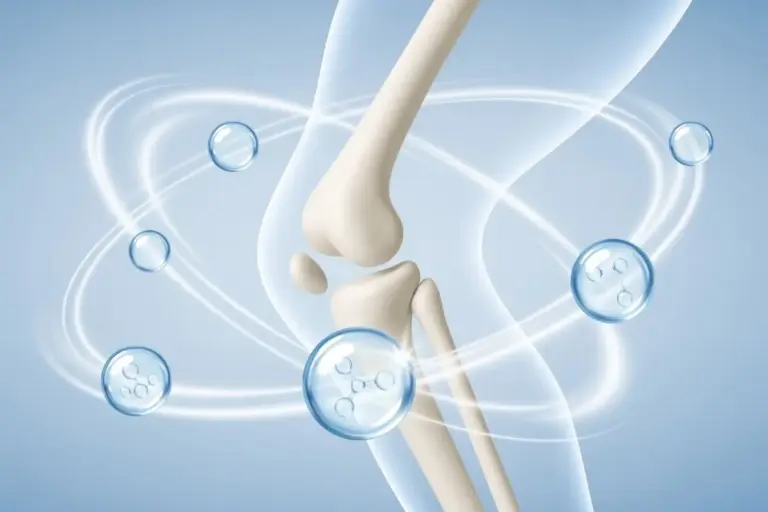
Hyaluronic acid
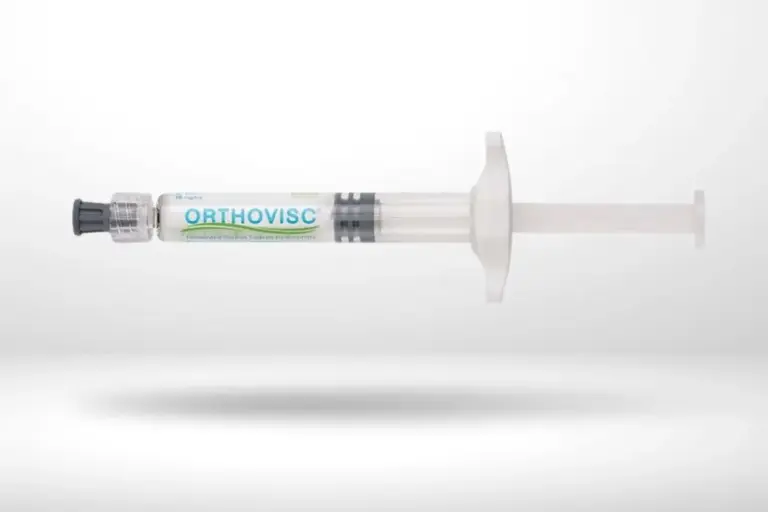
Orthovisc for joint pain
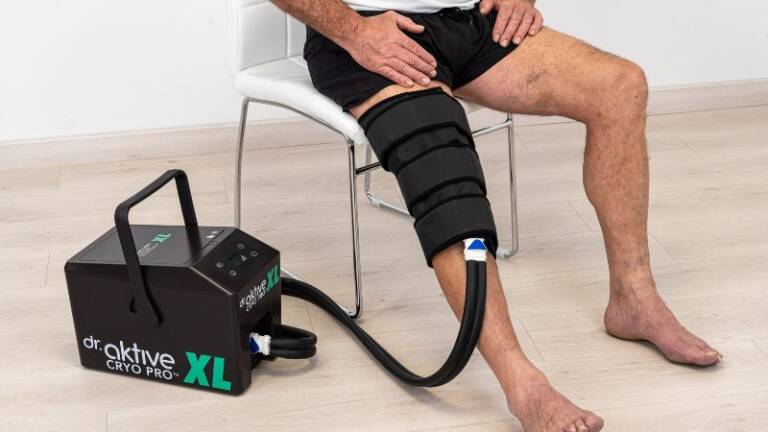
Cryo compression therapy

Compression support
Making informed choices about toe pain
Pain at the base of the big toe can have several causes, including osteoarthritis, a bunion, gout or irritation of the surrounding structures. Because these problems can feel similar, the right treatment begins with understanding where the pain is coming from.
A qualified healthcare professional can assess joint movement, swelling, foot shape, footwear and walking pattern. Your own research is valuable too. Reliable information can help you understand the options, ask useful questions and take an active part in decisions about your care.
Looking beyond the painful toe
A stiff or painful big toe can change how you push away from the ground, transferring pressure towards the outside of the foot or the smaller toes. Over time, this may affect walking comfort and place additional demand on other parts of the foot.
A joined-up plan therefore considers footwear, joint movement, alignment, strength and activity alongside the painful area itself. The aim is not simply to treat one small joint, but to help you move more comfortably and confidently.
Where Joint Pain Freedom can help
Joint Pain Freedom works with experienced clinicians and specialist clinics involved in assessing and treating joint pain. Whether you are ready for an assessment or simply want help understanding the available options, we can help you locate your nearest Joint Pain Freedom Centre of Excellence or provide clear, clinically focused information.
Resources used:
Options that may help
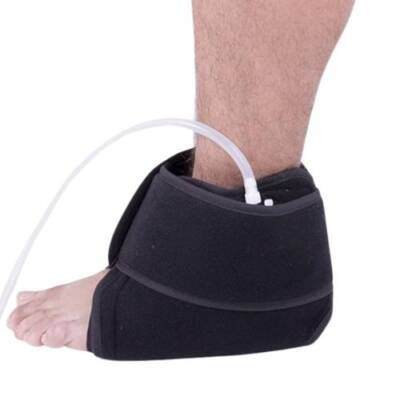
Ankle Cold Compress
Related stories and articles

Hiking, be prepared!