







Golfers and joint pain
What golf asks of your joints
Where golfers usually feel it
Golf concentrates load in a few predictable places. Knowing which one is taking a load and developing pain or inflammation makes the next step much simpler.
Elbow
Knee
Wrist and hand
Lower back and hip
Warming up before you tee off
Most amateur rounds start cold on the first tee. Ten minutes beforehand changes how the first six holes feel, and how the joint feels the next morning.
Questions about golf and joint pain
What golfers ask most often when a joint starts getting in the way of the round.
Should I stop playing until it settles?
Rarely. Complete rest tends to stiffen the joint and weaken the muscle around it. More often the answer is to change the dose: nine holes instead of eighteen, a buggy instead of walking, fewer range balls. If pain is sharp, worsening or stopping you sleeping, get it assessed rather than working around it.
Is golfer's elbow the same as arthritis?
No. Golfer’s elbow is a tendon problem on the inside of the elbow, usually from repeated grip and load. Osteoarthritis is a change in the joint surfaces. They can feel similar at first, which is why an assessment is worth it before you buy a brace for the wrong thing.
Will a brace help my knee on the course?
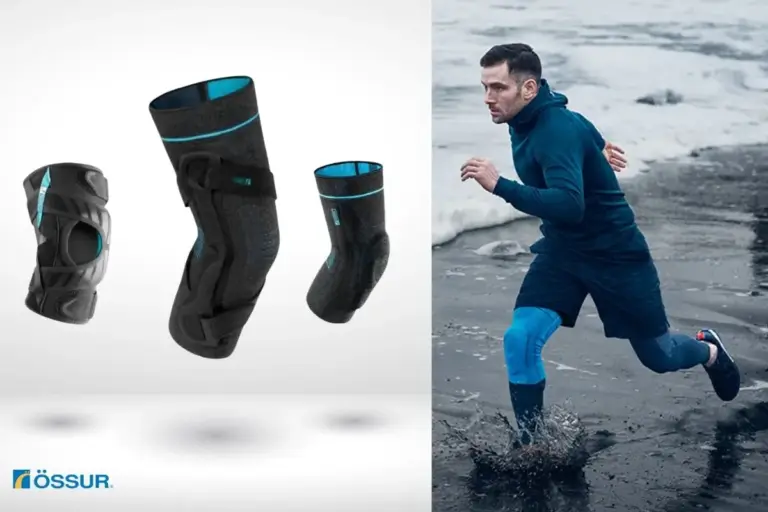
For many people, yes. A brace offloads the part of the joint that is complaining and gives back some confidence on uneven ground. It is a support for the round, not a treatment in itself, and works best alongside the strength work that keeps the knee stable.
Does the buggy make things worse in the long run?
Not if it is the difference between playing and not playing. Walking is good for a joint, but so is continuing to play. Many people alternate, walking the flatter courses and riding the hilly ones.
How long before a round should I warm up?
Ten minutes is enough to make a difference, and it matters more as the temperature drops. Cold tissue and a full-speed driver are a poor combination at any age.
Supports for golfers
Braces and compression supports are often the first go to for many golfers with common aches and pains, and qulity options are used, they can offer great support. Thats why we only recommend Össur bracing.
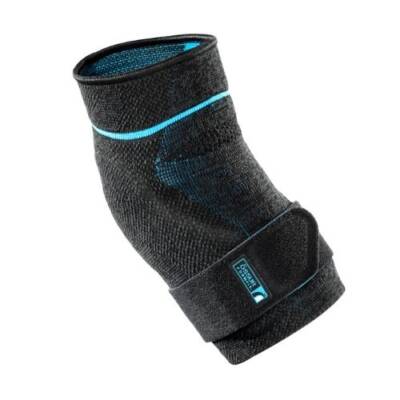
Össur Formfit Pro Elbow
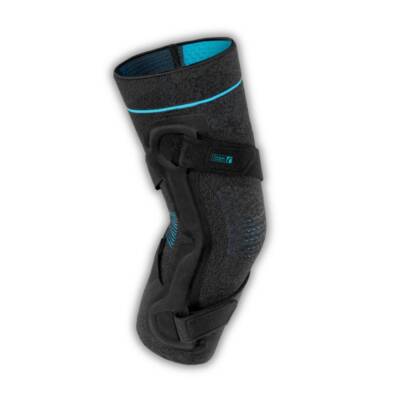
Ossur Formfit OA Knee
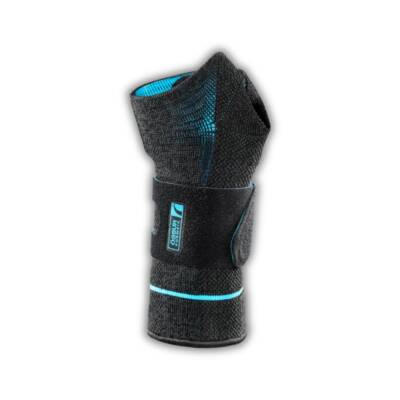
Össur Formfit® Pro Wrist Compression Sleeve
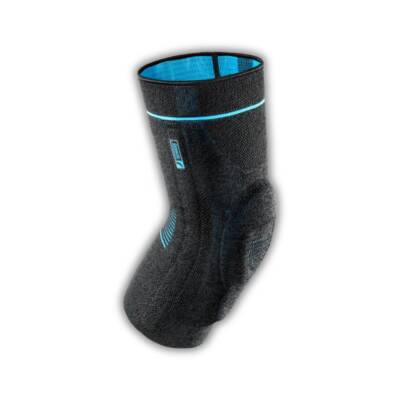
Össur Formfit® Pro Knee
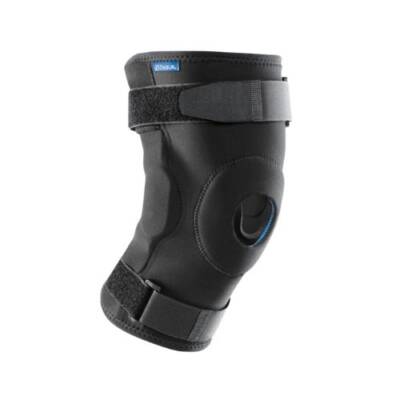
Össur Formfit Knee Hinged Brace
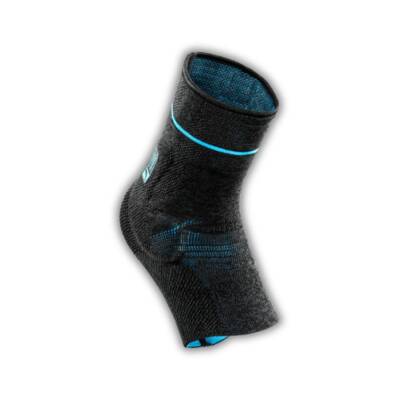
Össur Formfit® Pro Ankle
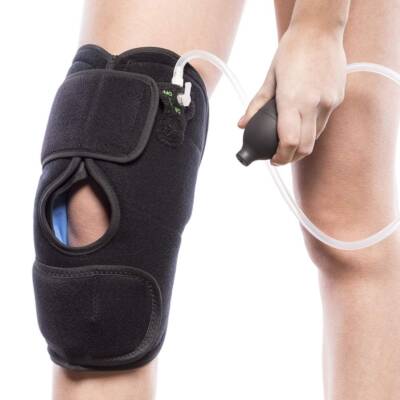
Knee cold compress
Conditions and treatments for these joints
If you feel joint pain is starting to really affect your game and even prevent you from playing, these guides may help. You can also locate a clinic using our clinic finder tool.
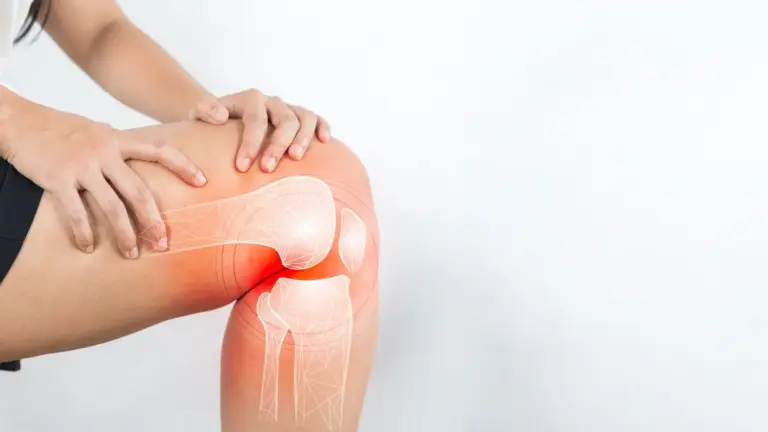
Knee Arthritis
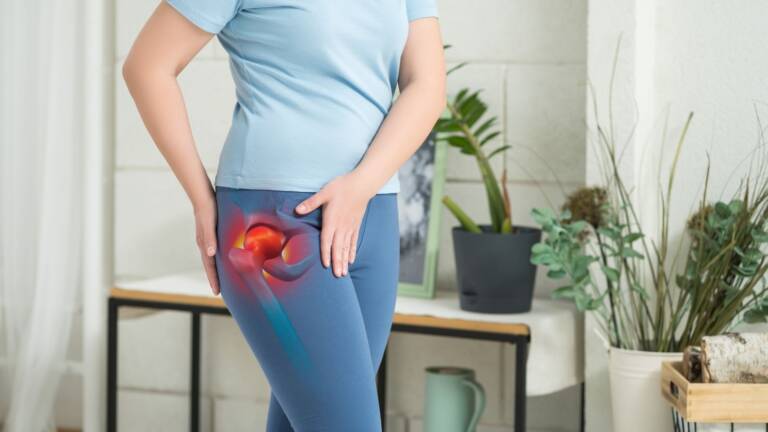
Hip Arthritis
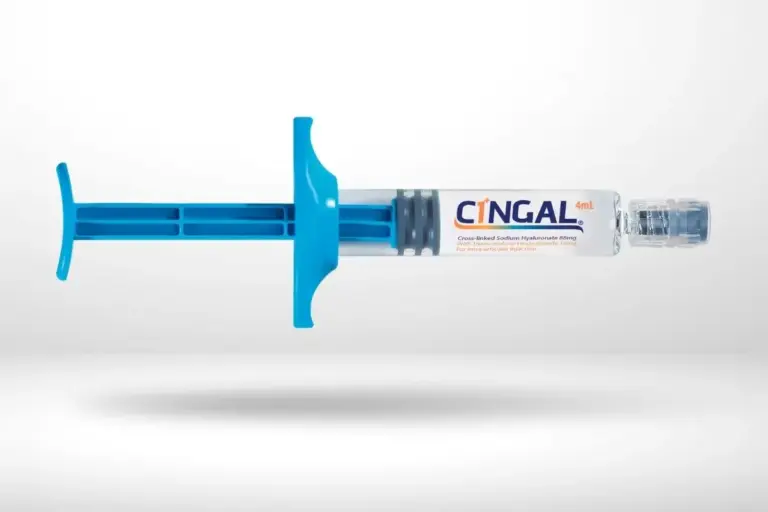
Cingal for joint pain
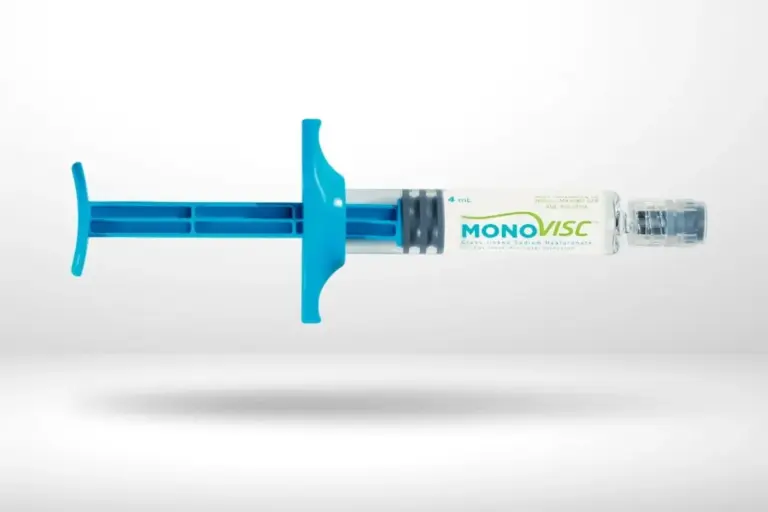
Monovisc for joint pain
Compression support
Could PRP help?
Related stories and articles
More on staying active with joint pain, and what other people have found helps.


Knee Osteoarthritis Relief

Staying active with joint pain