







Back and neck arthritis

When everyday movement becomes uncomfortable
Does this sound like your back or neck?
- Aching or stiffness after sitting, driving or staying in one position
- Pain when bending, lifting or turning your head
- Muscle tightness across your shoulders or lower back
- Discomfort that interrupts sleep, work or exercise
- Pain that sometimes travels into an arm, buttock or leg
These symptoms can have several causes. They do not automatically mean arthritis or lasting damage. An assessment can help establish whether the problem involves muscles, joints, discs or nerves, and whether further investigation is needed.
Think about what has changed: your activity, work routine, sleep or how long you spend in one position. These details can be as useful to your clinician as describing exactly where it hurts.
Understanding your back and neck
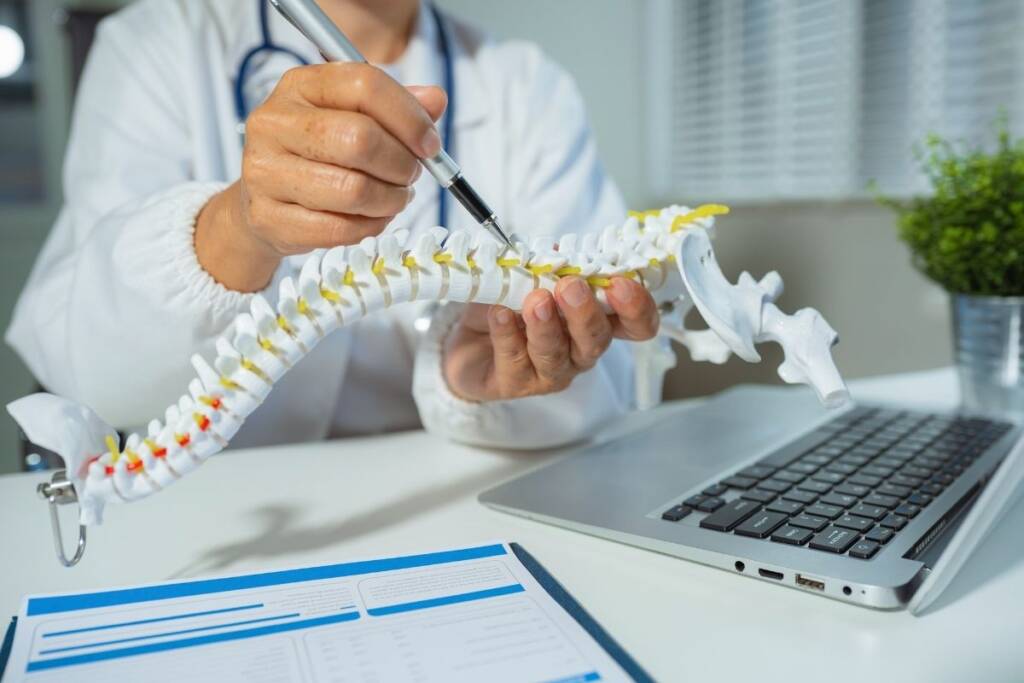
Your spine is a column of bones called vertebrae. Discs sit between them, while small joints, muscles and ligaments help support and guide movement. Nerves travel through and out of the spine to the rest of your body.
The neck supports and moves your head. The lower back helps you bend, lift and transfer load during everyday activity. Pain can involve several structures, and it is not always possible or necessary to identify one precise source.
Common symptoms
Symptoms can be local to the back or neck, or extend into other areas.
Aching
Stiffness
Restricted movement
Muscle tightness
Travelling pain
Tingling or numbness
What might be contributing to your pain?
Back and neck pain does not follow one predictable sequence. These are possible contributors, rather than stages everyone passes through.
How back and neck pain is assessed
Assessment begins with your symptoms and an examination. Scans are useful in selected circumstances, but are not automatically the first step.
Your sympton history
Movement and function
Checking nerve function
Imaging when appropriate
What helps: movement, confidence and the right support
Your plan should reflect what is affecting you most, whether that is sitting through a working day, sleeping comfortably or returning to exercise.
Keep movement manageable
Build strength and confidence
Make your day more comfortable
Review persistent symptoms
FAQs about back and neck pain
Answers to common questions about symptoms, recovery and treatment.
Is neck pain alwasy or likely to be arthritis
No. Muscular pain, disc problems and nerve irritation are among the possibilities. Age-related changes may be present without causing symptoms. A diagnosis should consider your history and examination, rather than relying on an imaging label alone.
What does cervical spondylosis mean?
It describes age-related changes affecting the bones and discs in the neck. Some people experience neck or shoulder stiffness and pain, while others have no symptoms. The term alone does not tell you how much treatment you need.
What is the difference between back pain and sciatica?
Back pain may stay around the spine. Sciatica usually causes pain into one buttock and down the leg, sometimes reaching the foot or toes. It can also involve tingling, numbness or weakness. Back pain alone is unlikely to be sciatica.
Can neck problems cause arm pain?
Yes. Irritation of a nerve in the neck can cause symptoms in the arm or hand. Neck pain accompanied by arm tingling or weakness needs medical advice, especially if it is new or worsening.
Do I need an X-ray or MRI?
Not usually at the first appointment for uncomplicated lower back pain. Imaging is considered when there are concerning findings or when the result is likely to change management. Your clinician should explain why a scan would or would not help.
Should I rest until the pain disappears?
Prolonged bed rest is usually unhelpful for back pain. Keep gently active where possible and temporarily adjust demanding activities. Seek advice if movement causes worsening symptoms or you are unsure what is appropriate.
Is there one perfect posture?
No single posture suits everyone all day. Staying in one position for a long time can become uncomfortable. Aim for a workable setup and regular changes of position, rather than trying to hold yourself rigidly.
Can heat or cold help?
Either may provide temporary comfort. Protect your skin with a towel, follow the pack instructions and avoid use over areas with reduced sensation. These are comfort measures alongside your wider recovery plan.
Should I wear a back support or neck collar?
Belts and corsets are not recommended by NICE for managing lower back pain or sciatica. Neck collars are generally avoided unless prescribed for a specific reason. Ask your clinician before choosing a support.
Can injections help?
Injections are not a routine treatment for ordinary lower back pain. A specialist may consider an epidural containing local anaesthetic and steroid for acute, severe sciatica. This is a different treatment pathway from injections used for arthritis in other joints.
When should I seek urgent help?
Call 999 or go to A&E for back pain with new bladder or bowel problems, numbness around the genitals or bottom, or symptoms affecting both legs. Serious injury also needs emergency assessment.
For neck symptoms, call 999 for new difficulty walking, sudden loss of coordination or loss of bladder or bowel control.
Seek urgent GP or NHS 111 advice for rapidly worsening pain, new limb weakness, or pain accompanied by fever or feeling unwell.
What to do next
If back or neck pain is affecting work, sleep or everyday movement, arrange an assessment with a GP, physiotherapist or appropriate MSK clinician.
Before your appointment, note where the pain travels, whether you have any altered sensation and which tasks have become difficult. Bring questions about what you can continue doing and what a realistic recovery plan might involve.