







Racket sports and joint pain

What racket sports ask of your joints
Where racket players usually feel it
Stopping and changing direction accounts for most of it, with the racket arm contributing the rest.
Elbow
Knee
Shoulder
Ankle
Before you go on court
Racket sports start fast. Five minutes of knocking up is not a warm-up for what the first game will ask.
Questions about racket sports and joint pain
What players ask when the elbow or the knee starts deciding how long the match lasts.
Is tennis elbow an arthritis problem?
No. It is a tendon problem on the outside of the elbow from repeated grip and load. It can feel similar to joint pain at first, which is why it is worth having it assessed before treating it as arthritis.
Will changing my racket help?
Sometimes. Grip size, string tension and racket weight all change how much load reaches the arm. It is worth reviewing, but it will not fix a problem that is really about volume or technique.
Is padel easier on the joints than tennis?
The court is smaller so there is less sprinting, but there is just as much stopping and turning, and the walls add unpredictable movement. Many people find it easier on the legs and no easier on the elbow.
Should I strap the knee?
A support can help with confidence and offload an irritable joint during a match. It is worth pairing with leg strength work, which is what reduces the load in the first place.
How do I stop it flaring every time I play?
Usually by changing the dose rather than stopping: shorter sessions, fewer per week, and a proper warm-up. If it flares regardless, get the joint assessed rather than working around it indefinitely.
What helps: movement, support and the right treatment at the right time
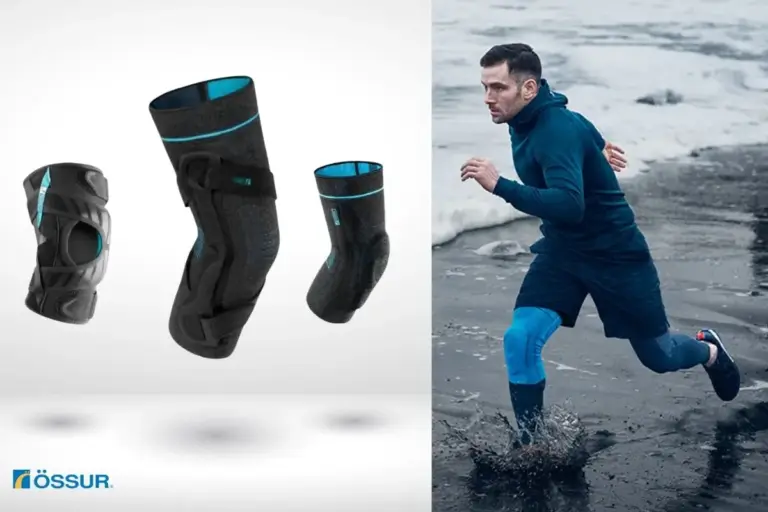
Compression support
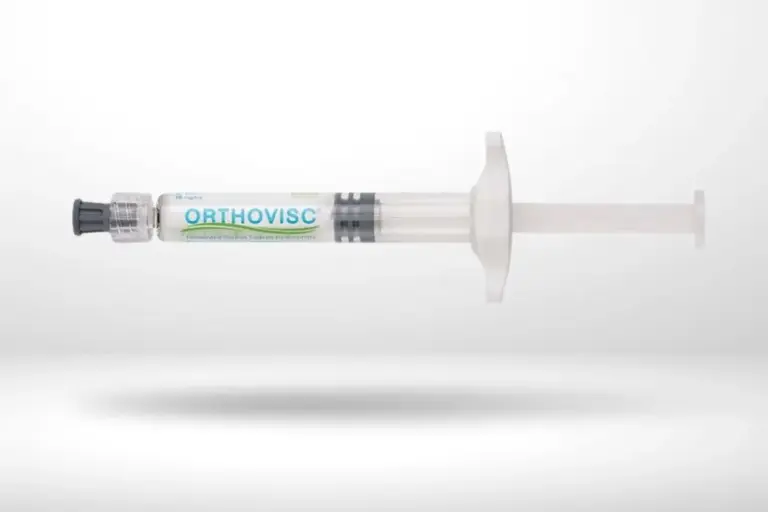
Orthovisc for joint pain
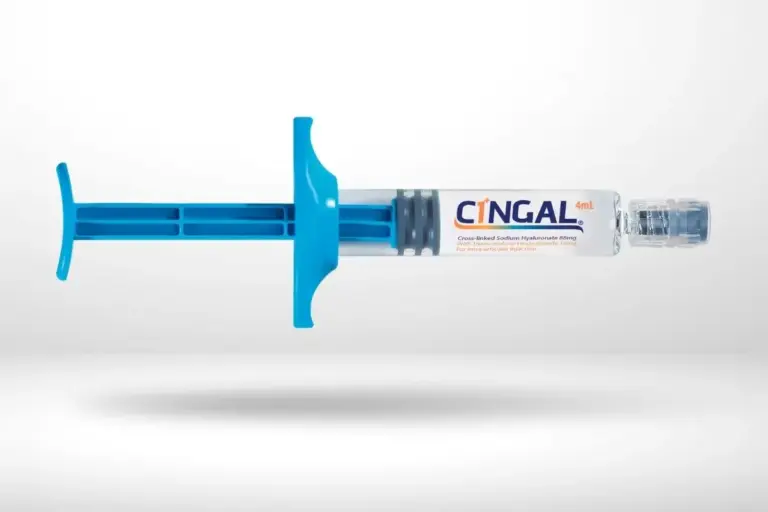
Cingal for joint pain
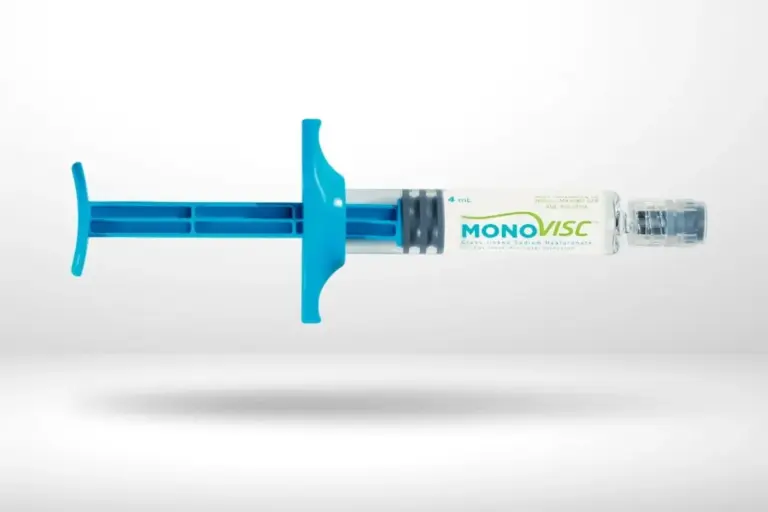
Monovisc for joint pain
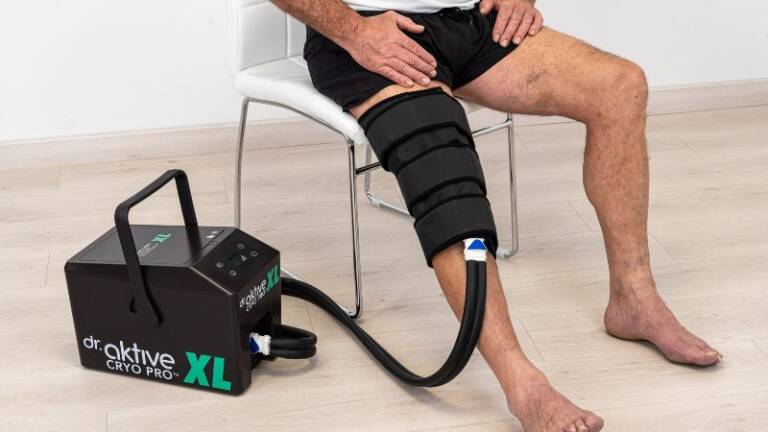
Cryo compression therapy
Supports for racket players
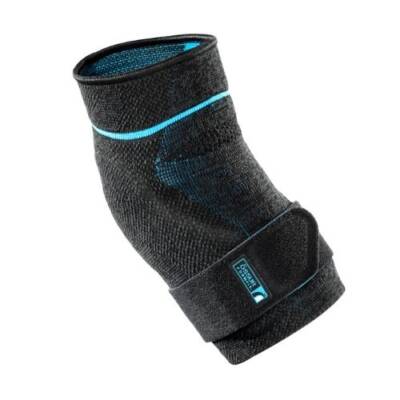
Össur Formfit Pro Elbow
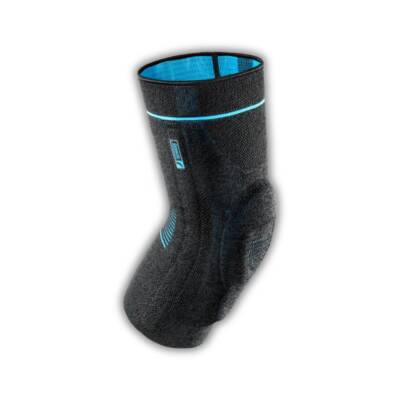
Össur Formfit® Pro Knee
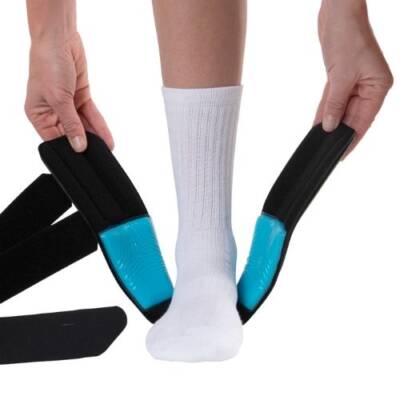
Össur Formfit Gel Ankle Stirrup
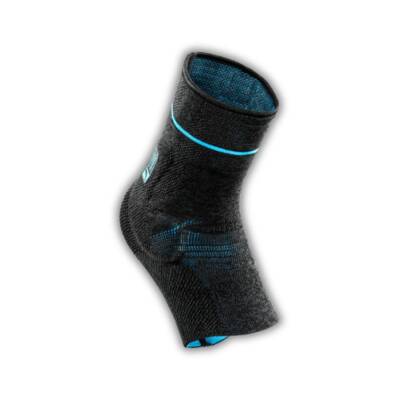
Össur Formfit® Pro Ankle
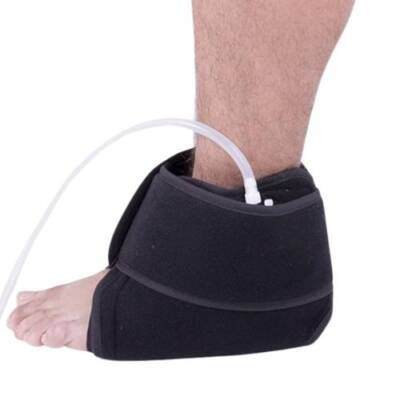
Ankle Cold Compress
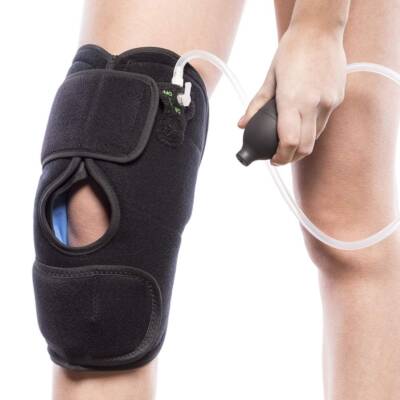
Knee cold compress
Conditions and treatments for these joints
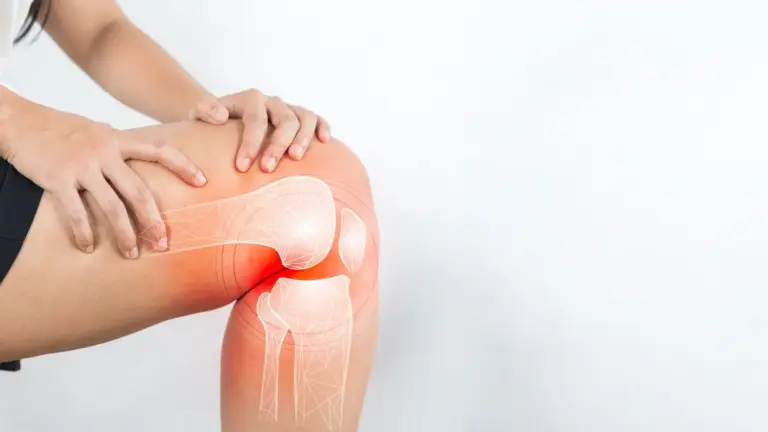
Knee Arthritis

Ankle Arthritis
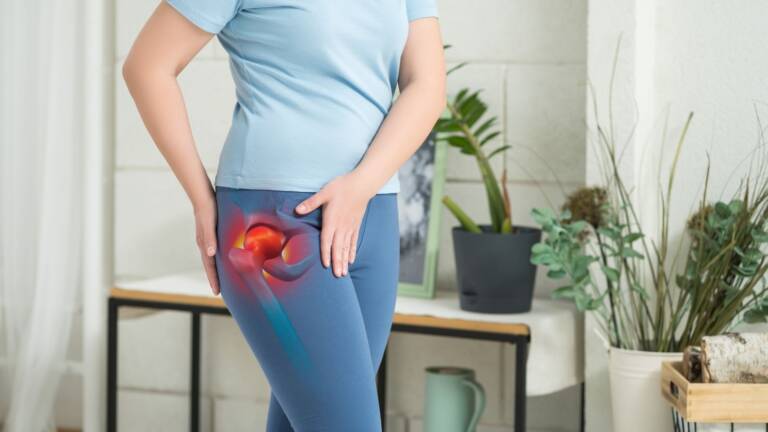
Hip Arthritis
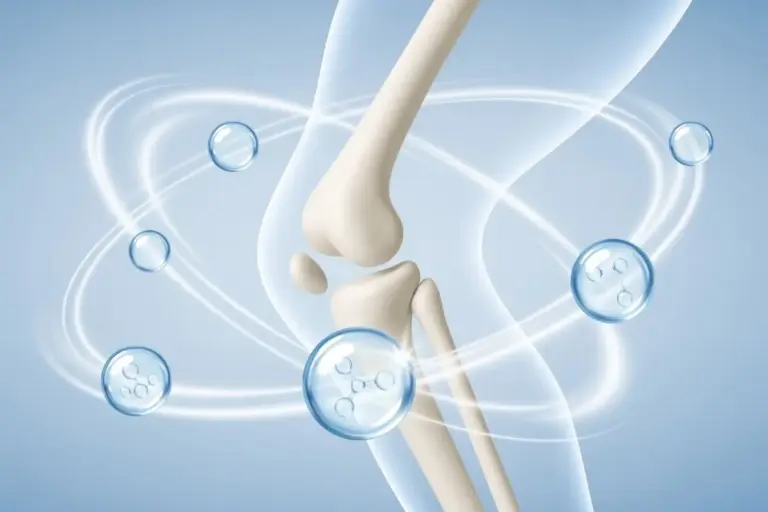
Hyaluronic acid
Compression support
Related stories and articles
More on staying active with joint pain, and what other people have found helps.


Staying active with joint pain