







Hip pain

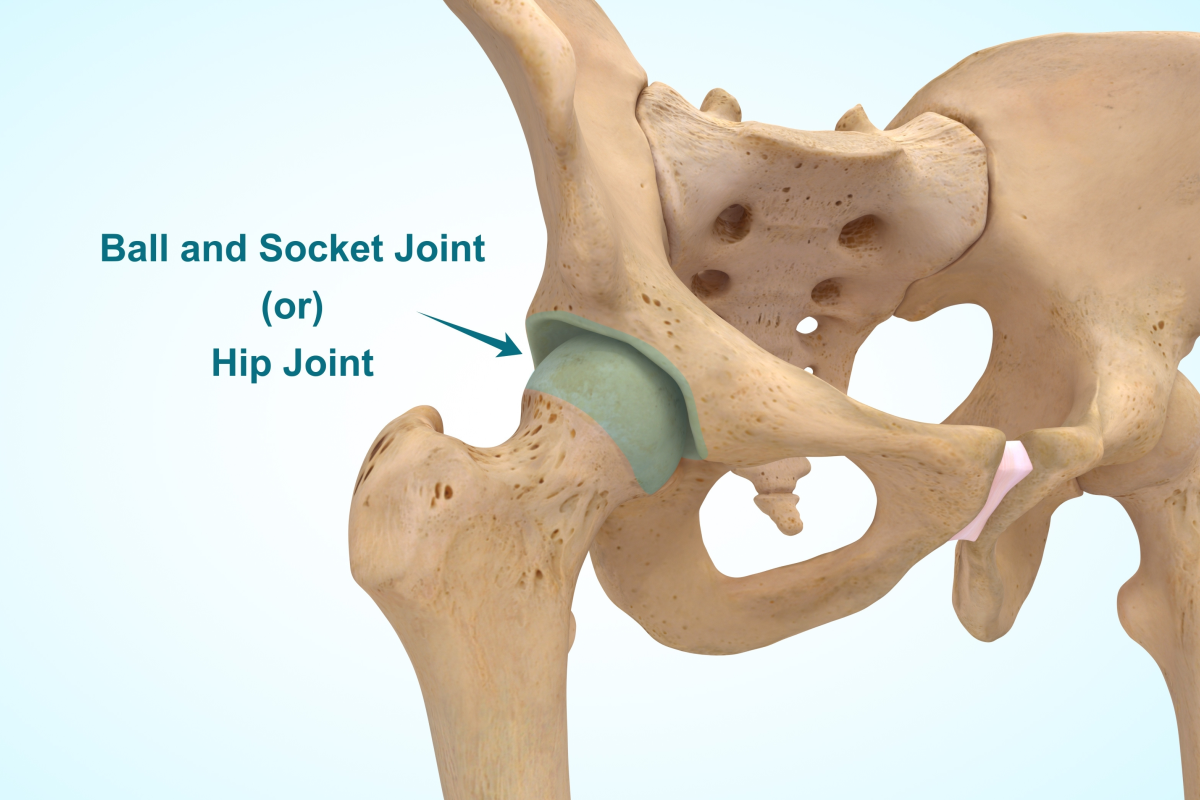
The hip is a large joint, important in linking the body together
Does this sound like your hip?
- Pain in the groin or front of the thigh, sometimes spreading towards the buttock or knee
- Pain when walking, using stairs or getting up from a chair
- Stiffness after resting or first thing in the morning
- Difficulty putting on shoes and socks or getting in and out of a car
- Reduced movement, catching, grinding or beginning to walk with a limp
These symptoms can be consistent with hip osteoarthritis, but tendon problems around the outside of the hip and pain referred from the lower back can feel similar. A clinician can assess your symptoms and movement, with an X-ray or scan used if needed.
The hip is a deep ball-and-socket joint, so pain is not always felt directly over it. Changes within the joint, together with reduced strength or flexibility around the hip, can begin to affect walking and everyday activities.
The hip
The hip is a strong ball-and-socket joint formed by the top of the thigh bone and a socket within the pelvis. Smooth cartilage helps it move under load, while the surrounding muscles provide strength, control and stability.
Pain from the hip may be felt in the groin, front of the thigh, buttock, outside of the hip or sometimes as far down as the knee.
Common symptoms
Groin pain
Referred pain
Stiffness
Everyday movement
Sleep
Walking pattern
What’s happening: the stages of arthritis
Osteoarthritis is common and progressive, but many people manage it well, particularly when symptoms are understood early and the right treatments are considered. Stages describe how the joint looks on an X-ray; pain and damage do not always match, and your symptoms matter more than the stage.
How hip arthritis is assessed
NICE recommends exercise as a core treatment for osteoarthritis. Getting an image or scan straight away is not always needed, and arthritis symptoms can sometimes overlap with other health issues, so it is always best to seek professional advice.
Symptom history
Physical examination
X-ray if needed
Further imaging
What helps: movement, support and the right treatment at the right time
Hip pain often becomes noticeable through ordinary moments: the first few steps after sitting, struggling with shoes and socks, getting out of a car or trying to find a comfortable sleeping position.
A useful plan is not simply about resting the hip. It is about finding ways to maintain movement, restore strength and make the activities that matter to you feel more manageable.
Movement and strengthening
Managing load
Physiotherapy helps
Treatments and choices
FAQs about hip issues and pain
Hip pain is common and can have many causes, from age-related changes to overuse injuries. The questions below explain some of the key areas.
What are the common symptoms of hip osteoarthritis?
Hip osteoarthritis commonly causes pain, stiffness and reduced movement. Pain is often felt in the groin, but it may also spread into the thigh, buttock or knee. You may notice difficulty walking, using stairs, getting out of a chair, putting on shoes and socks or getting comfortable at night.
Can hip arthritis cause groin, thigh or knee pain?
Yes. Pain from the hip joint is frequently felt in the groin or front of the thigh, but it can travel as far as the knee. This is known as referred pain. Some people seek advice about knee pain before discovering that the hip is the main source of their symptoms.
Is all hip pain caused by arthritis?
No. Hip pain can also come from tendons, muscles, bursae, the lower back or other structures around the joint. The location of the pain, how it started and which movements aggravate it can all provide useful clues. A clinical assessment can help establish the most likely cause.
How is hip osteoarthritis diagnosed?
A clinician will usually begin by discussing your symptoms and examining how the hip moves. They may also assess your strength, walking pattern and lower back. An X-ray can help confirm osteoarthritis, but imaging is not always needed immediately, and the amount of change visible does not always match the severity of someone’s pain.
Is exercise safe when you have hip osteoarthritis?
Exercise is considered a core treatment for hip osteoarthritis. Strengthening the muscles around the hip and maintaining general activity can improve function and confidence. Some initial discomfort can occur when beginning a programme, so exercise should be introduced progressively and adapted to your current ability.
What is the best treatment for hip osteoarthritis?
There is no single treatment that is right for everyone. Management may include education, exercise, physiotherapy, activity changes, weight management where relevant and appropriate pain relief. Image-guided injections or referral for hip replacement may be considered when symptoms continue to have a substantial effect on everyday life.
When should I have persistent hip pain assessed?
Consider an assessment if hip pain is getting worse, disturbing your sleep, changing the way you walk or limiting everyday activities. Sudden severe pain, an inability to bear weight, pain following a fall, fever or a hot and swollen joint should receive prompt medical attention.
What types of injections are used for hip pain?
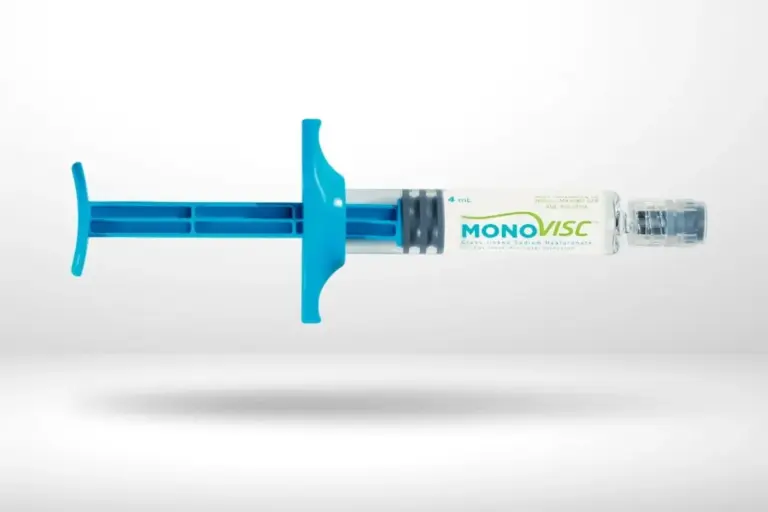
Injections used for hip joint pain can include corticosteroid, hyaluronic acid or combined preparations. They work in different ways and are not suitable for every cause of hip pain. Availability also varies, and hyaluronic acid injections are not routinely recommended by NICE for osteoarthritis within NHS care. A clinician should explain the evidence, limitations and alternatives.
How do hip injections work?
Corticosteroid injections aim to reduce inflammation and may provide relatively rapid relief. Hyaluronic acid injections are designed to supplement the natural fluid within the joint and improve its lubricating properties. Combined injections aim to address inflammation while also providing hyaluronic acid. Individual responses vary, and no injection can guarantee an improvement.
Why are hip injections usually image-guided?
The hip is a deep joint surrounded by important nerves and blood vessels. Ultrasound or X-ray guidance allows the clinician to see the needle and place the treatment accurately within the joint. This improves confidence that the injection has reached the intended location and helps avoid nearby structures.
Can a hip injection delay or prevent hip replacement?
An injection may reduce pain and make exercise or everyday activity easier for a period of time, but it does not reverse established osteoarthritis. It should not be presented as a guaranteed way of avoiding surgery. For some people it forms part of non-surgical management, while others may still require a specialist opinion about hip replacement.
When should hip replacement be considered?
Hip replacement may be considered when pain, stiffness and loss of function are having a substantial effect on quality of life and non-surgical treatments are no longer providing enough relief. The decision should be based on your symptoms, health, goals and readiness for surgery, rather than your age or X-ray result alone.
What to do next
If hip pain is reducing how far you can walk, disturbing your sleep or making everyday tasks more difficult, you do not need to wait until it becomes unbearable before asking for help.
A GP, physiotherapist or musculoskeletal clinician can help establish whether the pain is coming from the hip joint or the surrounding tissues. Depending on what they find, the next step might include targeted exercise, pain management, an image-guided injection or a referral for a specialist surgical opinion.
Use the treatment pages below to understand what each option is intended to achieve and which questions may be useful to ask. We also have an online shop with a range of options, which may offer further information on managing hip pain, although these are more aligned to knee, ankle and arm pain, where bracing is most effective.

Cingal for joint pain
Monovisc for joint pain
Could PRP help?
Cryo compression therapy
Making informed choices about hip pain
Hip pain can be difficult to interpret. It may be felt in the groin, thigh, buttock or even the knee, while changes seen on an X-ray do not always reflect how much pain or restriction someone experiences. A useful assessment considers your symptoms, movement, strength, general health and what you want to get back to doing.
Your own research matters too. Reliable information does not replace professional advice, but it can help you understand what each treatment is intended to achieve, recognise its limitations, ask better questions and play an active part in decisions about your care.
Your life is part of the clinical picture
Walking distance, sleep, work, exercise and everyday tasks such as getting dressed or putting on shoes can all be affected by hip pain. Two people with similar X-rays may have very different needs, so the right plan should reflect your symptoms, priorities and treatment preferences rather than a scan result alone.
Where Joint Pain Freedom can help
Joint Pain Freedom works with experienced clinicians and specialist clinics involved in assessing and treating hip pain. We can help you locate your nearest Joint Pain Freedom Centre of Excellence or provide clear, clinically focused information to help you understand the options and prepare for a useful conversation with a healthcare professional.
Resources used:
Treatments and activities for this joint
Monovisc for joint pain
Hyaluronic acid
Cryo compression therapy



Related stories and articles


Hiking, be prepared!

Staying active with joint pain


Understanding a little more about Arthritis