







Knee Bracing
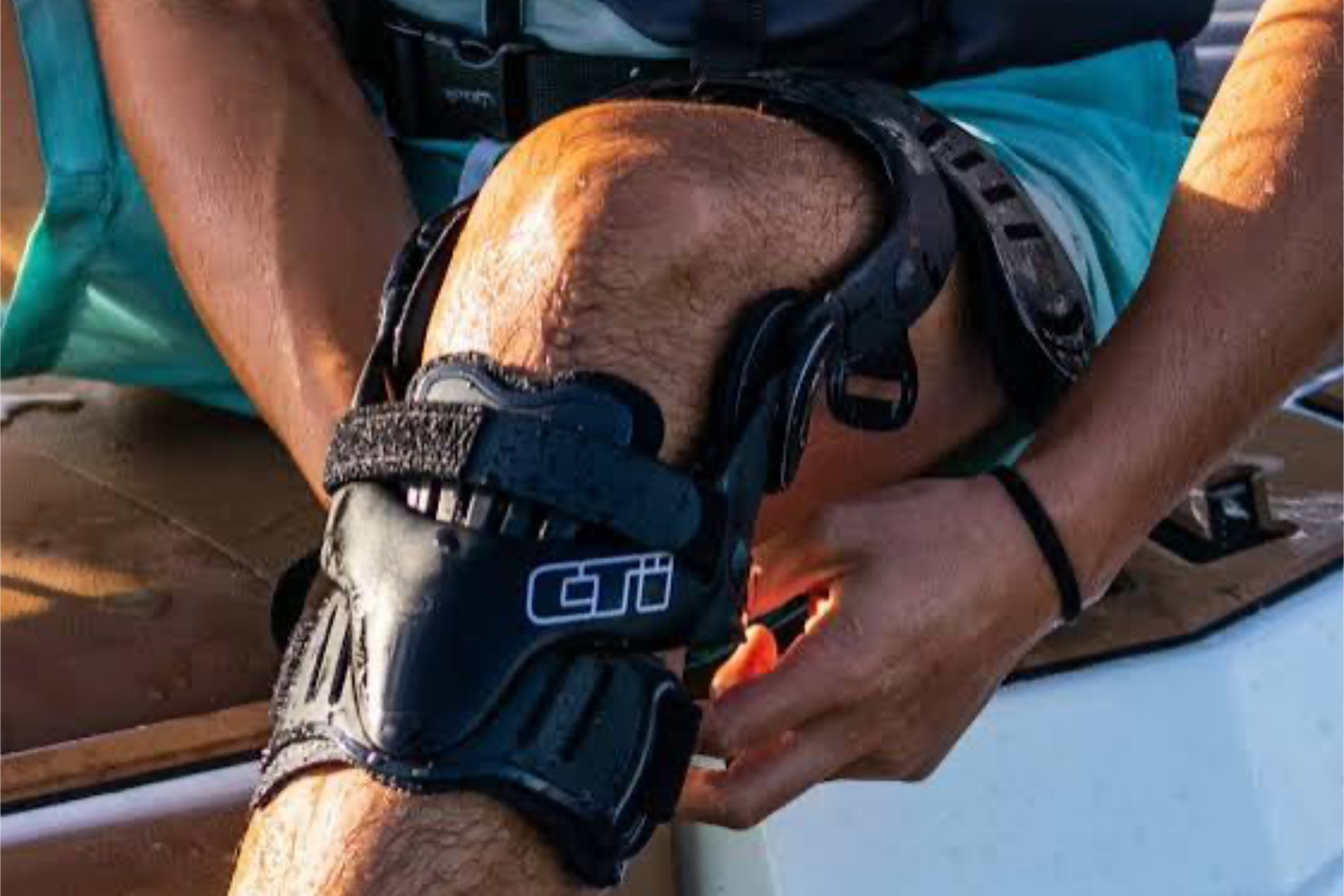
Specialist design. Support with a purpose.
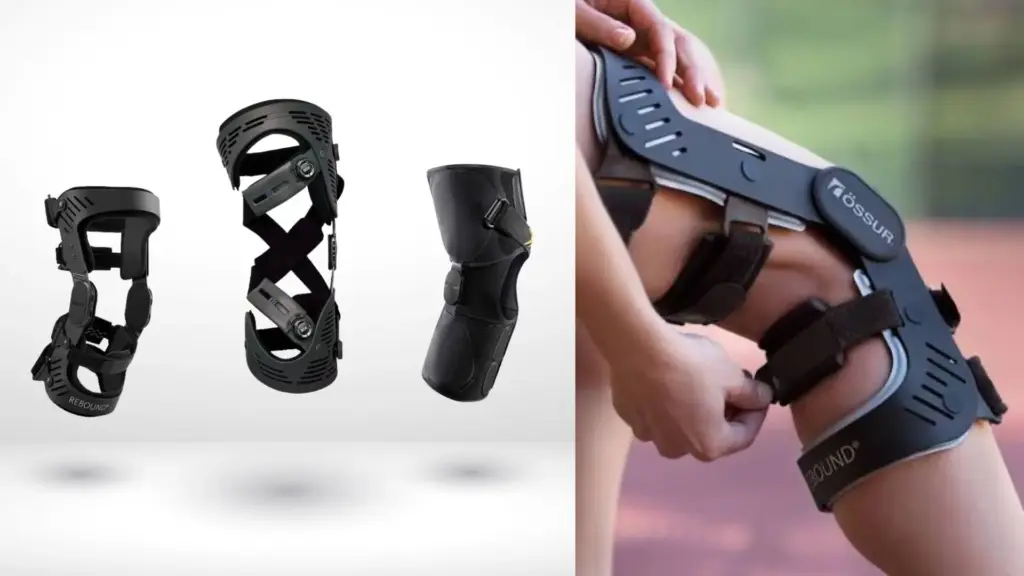
A knee brace uses straps, hinges or a supportive frame to guide how your knee moves or carries weight. The right design depends on what your knee needs.
We work with Össur, an established specialist in orthopaedic bracing, to help you understand your options.
• Arthritis support. Certain braces reduce pressure through the affected side of the knee.
• Ligament support. Structured braces help stabilise a knee affected by ligament injury.
• Recovery support. Adjustable hinges control how far the knee bends and straightens during rehabilitation.
Understanding your condition and getting the fit right are the starting points for choosing a brace.
Finding the right brace for your knee
The right brace depends on what is causing your symptoms and what you want to get back to. Some reduce pressure through an arthritic knee, others support stability or protect movement during recovery.
Relieving arthritis pain
Supporting an unstable knee
Supporting a return to sport
Protecting movement during recovery
Knowing where to start
Finding the right knee brace
Different braces do different jobs. These four options cover arthritis support, ligament stability and controlled movement during recovery, which gives you a quick overview of the typically used knee bracing options that go beyond compression sleeves and support.
Part of your plan to keep moving
A brace should have a clear role in your care, whether that is making walking more comfortable, supporting stability or protecting your knee during recovery.
Matched to your knee
Fitted for its purpose
Alongside rehabilitation
Reviewed as you progress
Bracing FAQs and fast facts
It can be a minefield choosing and selecting a bracing option. Ossur braces come with a 30-day return option, but it’s important to know what to expect from a brace and select the right one.
How is a knee brace different from a compression sleeve?
A compression sleeve provides close-fitting, flexible support. A structured brace adds straps, hinges or a frame to do a specific job, such as reducing load, supporting stability or limiting movement.
Which knee brace is suitable for arthritis?
An unloading brace may help when arthritis affects one side of the knee. OA Ease and Unloader are examples. The choice depends on the location of the arthritis, your symptoms and the support you need. Although the hyrbid Formfit Pro OA offers compression and mild offloading which many patients appreciate.
What is the difference between OA Ease and Unloader?
OA Ease is a wraparound option designed for mild to moderate arthritis; it is very comfortable and doesn’t require specific fitting. Unloader One X is another specialist unloading option. A clinician can help compare their fit and support for your particular knee. It offers a more powerful action for a more progressed disease.
Can I wear a CTi brace for sport?
CTi braces are designed to provide ligament support during activity, including demanding sports. Suitability depends on your injury, recovery and the sport involved. Wearing a brace does not by itself mean your knee is ready to return to sport.
What does ROM mean?
ROM stands for range of motion: how far a joint bends and straightens. A ROM brace uses adjustable hinges to keep knee movement within limits set by your treating team.
Do I need help choosing and fitting a brace?
For structured braces, clinical advice is useful to confirm the right design, size and fit. Unloading braces and braces used after surgery need particular attention to their settings and intended purpose.
How long should I wear my knee brace?
Some braces are worn for particular activities; others follow a recovery schedule after injury or surgery. Your clinician should explain when to wear yours, when it can be removed and when the plan should be reviewed.
Can I buy an Unloader through Joint Pain Freedom?
The OA Ease is classed as a type of unloader brace, but offers a lower level of unloading than the Unloader One option. You will need to speak to a clinic to purchase and have the Unloader One fitted, but that is a process we can support.
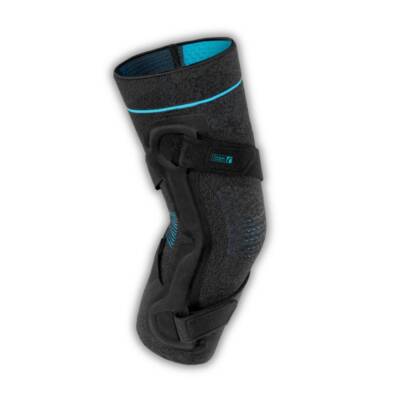
Ossur Formfit OA Knee
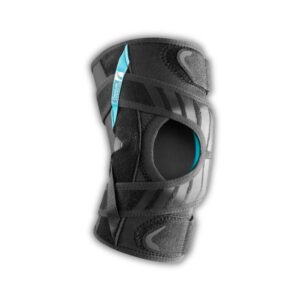
Össur Formfit® Tracker (PFJ)
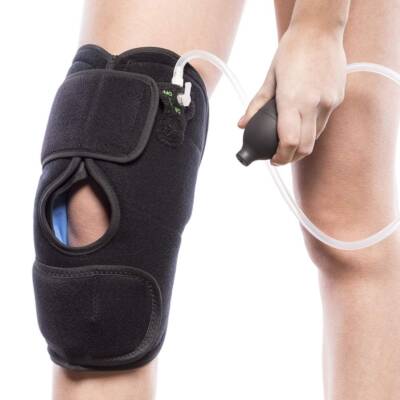
Knee cold compress
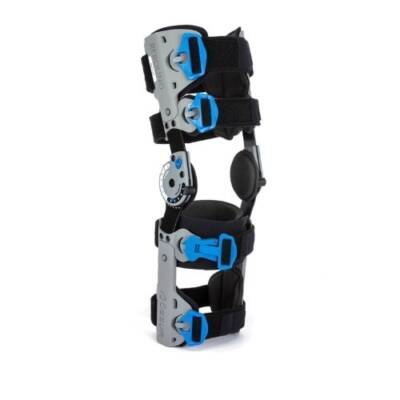
Össur Rebound Knee Imobiliser
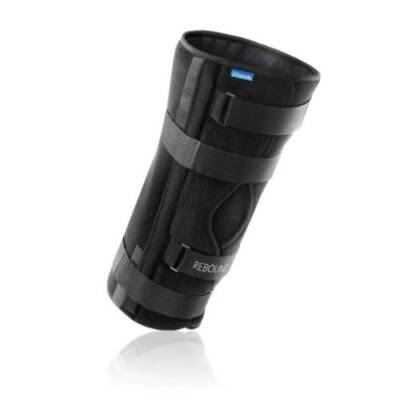
Össur Rebound Universal Panel Knee Immobiliser Brace

Knee Arthritis
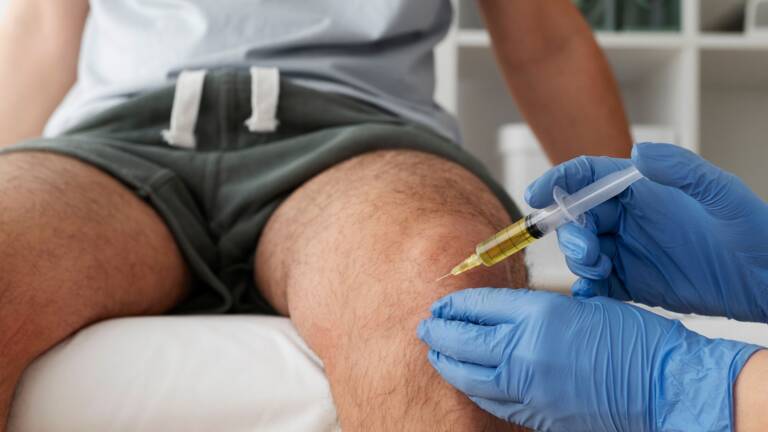
Joint injections
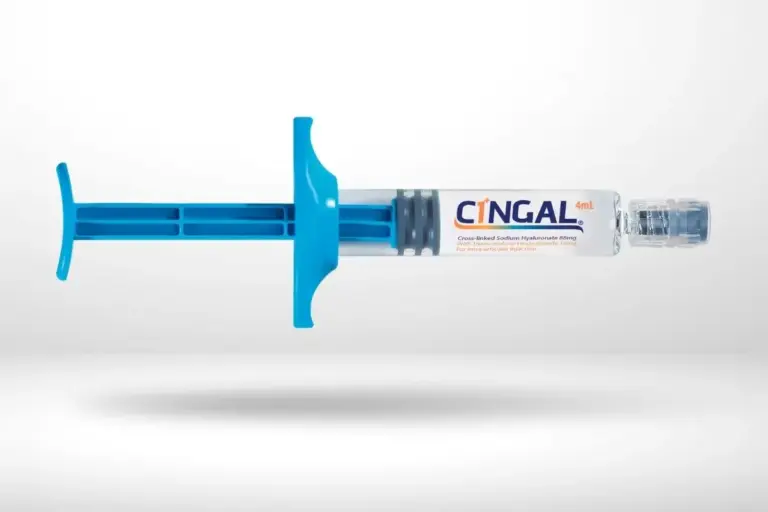
Cingal for joint pain
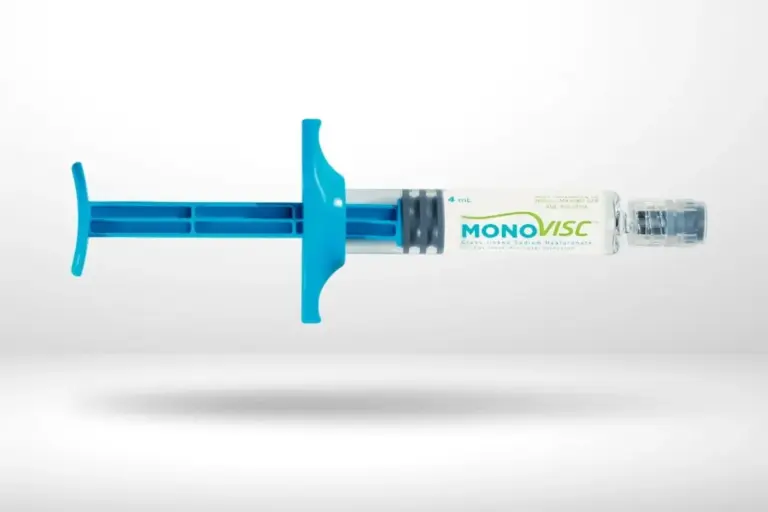
Monovisc for joint pain
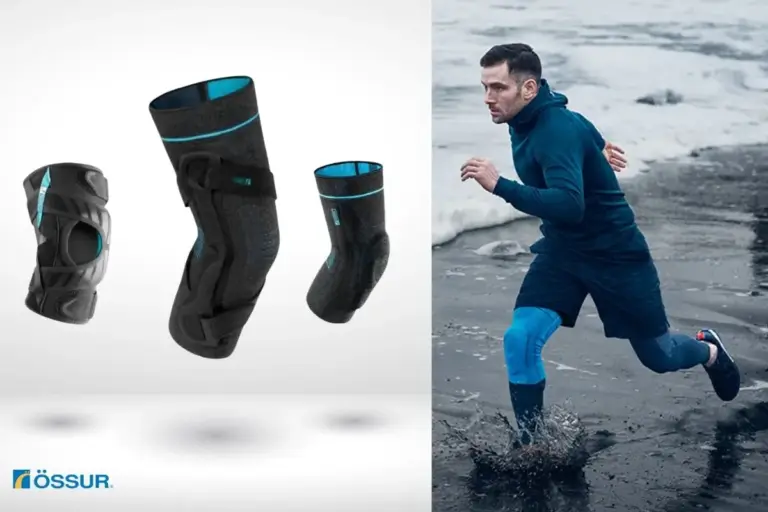
Compression support
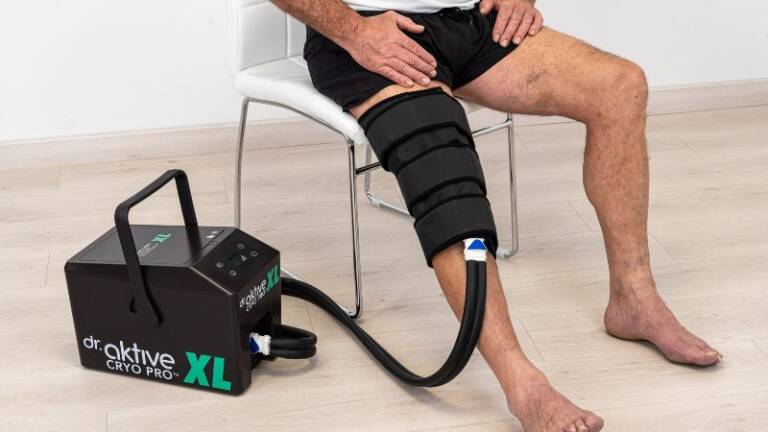
Cryo compression therapy


Hiking, be prepared!


The Osteoarthritis Treatment Journey

Joint injections for arthritis: comparing your options