







Gym and strength training with joint pain
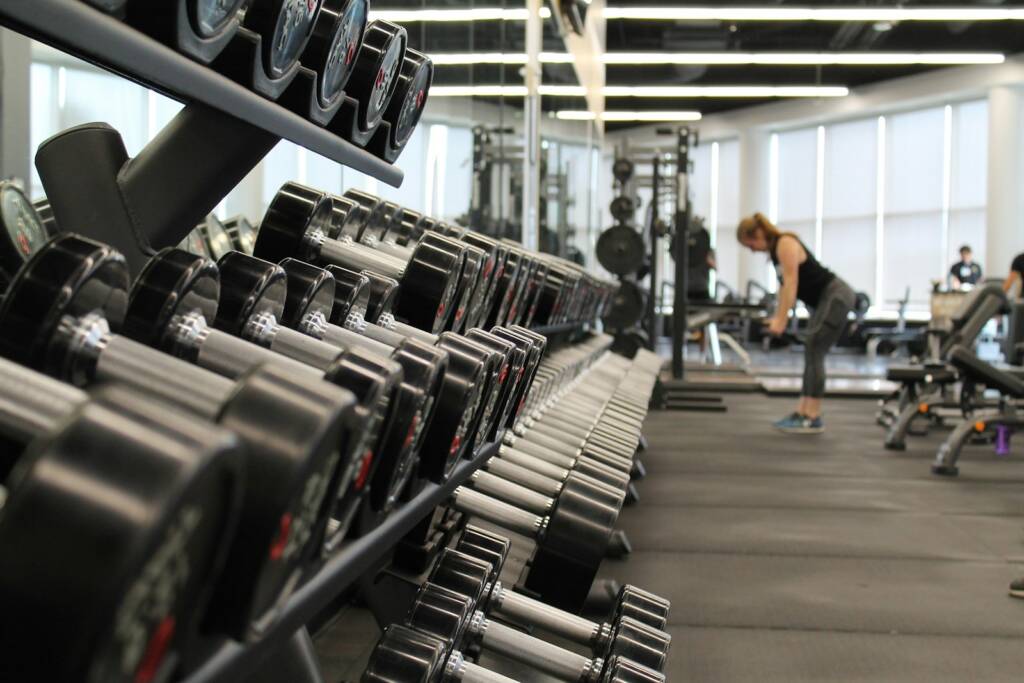
What strength training asks of your joints
Where lifters usually feel it
Most gym-related joint pain is a progression problem, not an exercise problem. The joint is rarely the wrong one; the jump usually is.
Knee
Shoulder
Hip
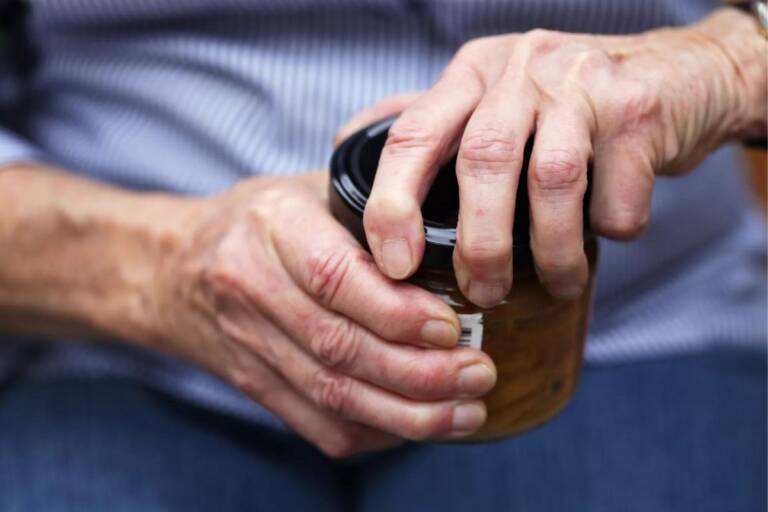
Wrist and elbow
Before you lift
A warm-up for strength work is mostly about rehearsing the movement, not about stretching.
Questions about gym and strength training and joint pain
The questions that come up when the thing that helps the joint is also the thing that aggravated it.
Should I avoid squats with knee arthritis?
Usually not. Squatting to a depth the knee tolerates, and progressing slowly, builds the muscle that supports the joint. Reduce the range before you abandon the movement.
Is lifting bad for arthritic joints?
No. Resistance training is one of the better-evidenced things you can do for osteoarthritis. What causes trouble is progressing faster than the joint adapts.
How much soreness is acceptable?
Muscle soreness for a day or two is normal. Joint pain that is worse the next morning, or that is still there at the next session, means the last session was too much.
Machines or free weights?
Both work. Machines make it easier to control the range and the load, which is useful while a joint is irritable. Free weights build the stability that carries over to everything else.
Do I need to train through a flare?
No, but you rarely need to stop entirely either. Most people can keep training the rest of the body and reduce the load on the joint that is flaring, rather than taking a fortnight off everything.
What helps: movement, support and the right treatment at the right time
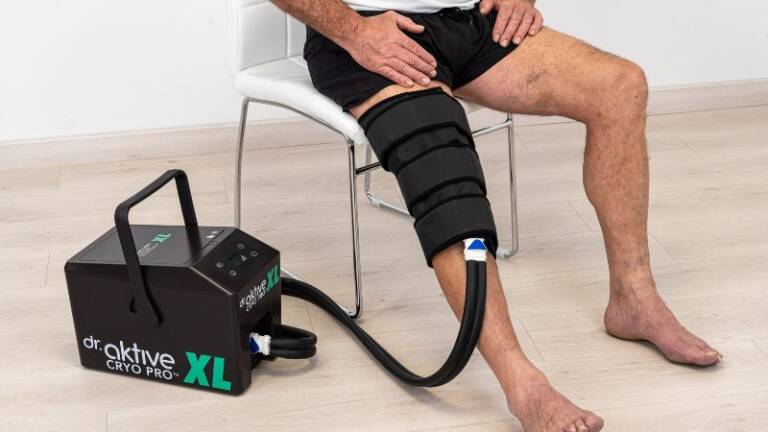
Cryo compression therapy
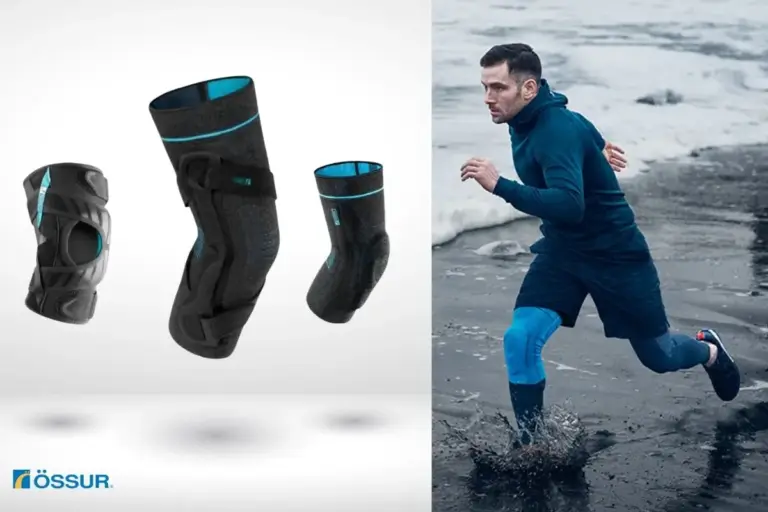
Compression support
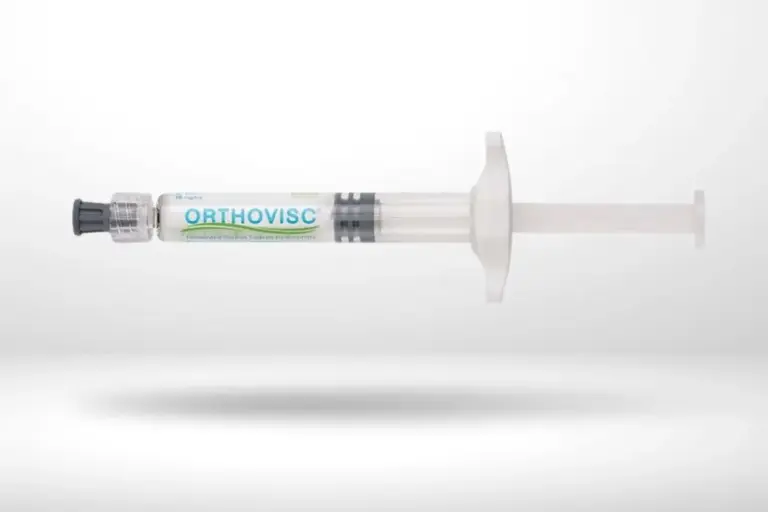
Orthovisc for joint pain
Supports for lifters
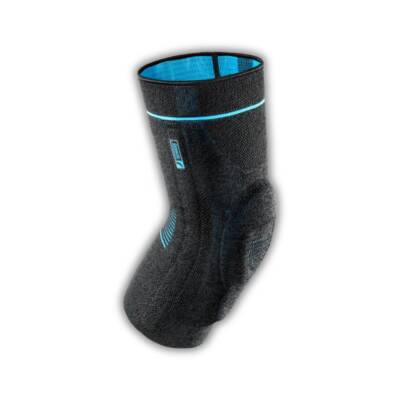
Össur Formfit® Pro Knee
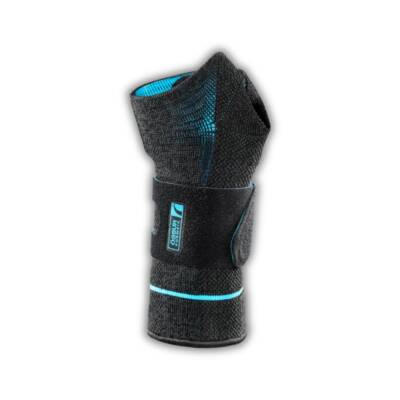
Össur Formfit® Pro Wrist Compression Sleeve
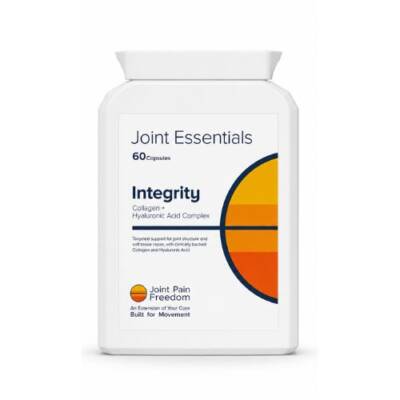
Integrity - Joint Essentials
Conditions and treatments for these joints
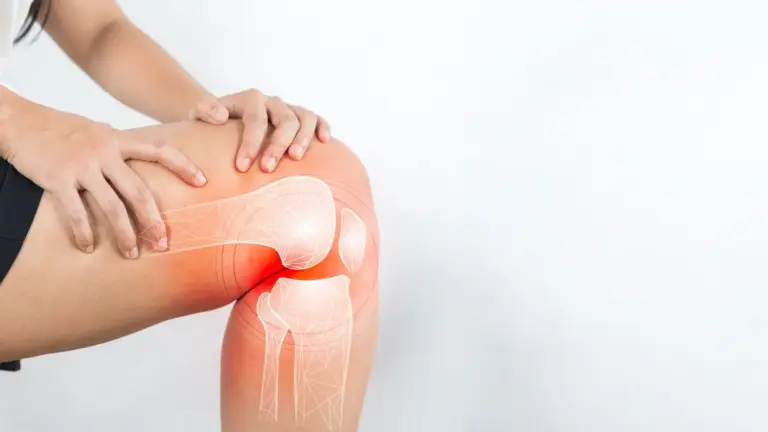
Knee Arthritis
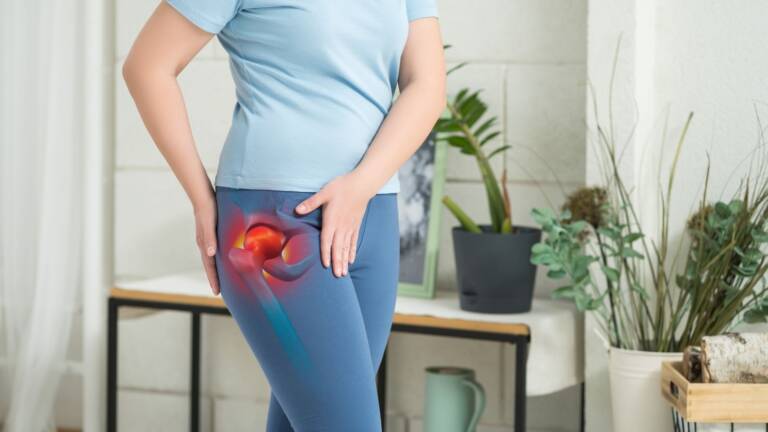
Hip Arthritis
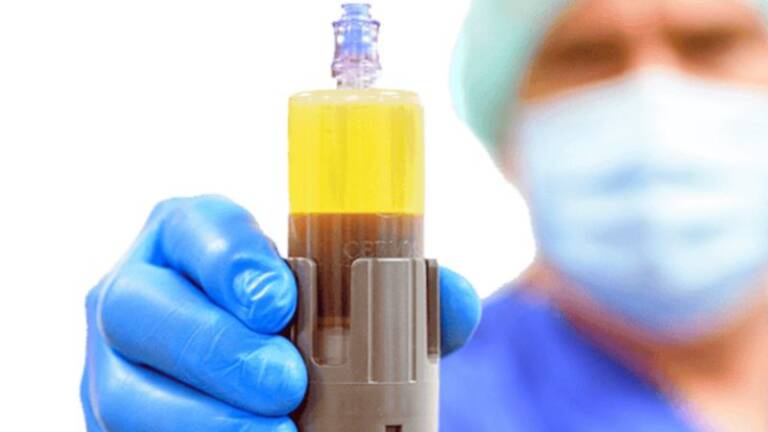
Could PRP help?
Compression support
Related stories and articles
More on staying active with joint pain, and what other people have found helps.

Staying active with joint pain


The Psychology of a Quick Fix