



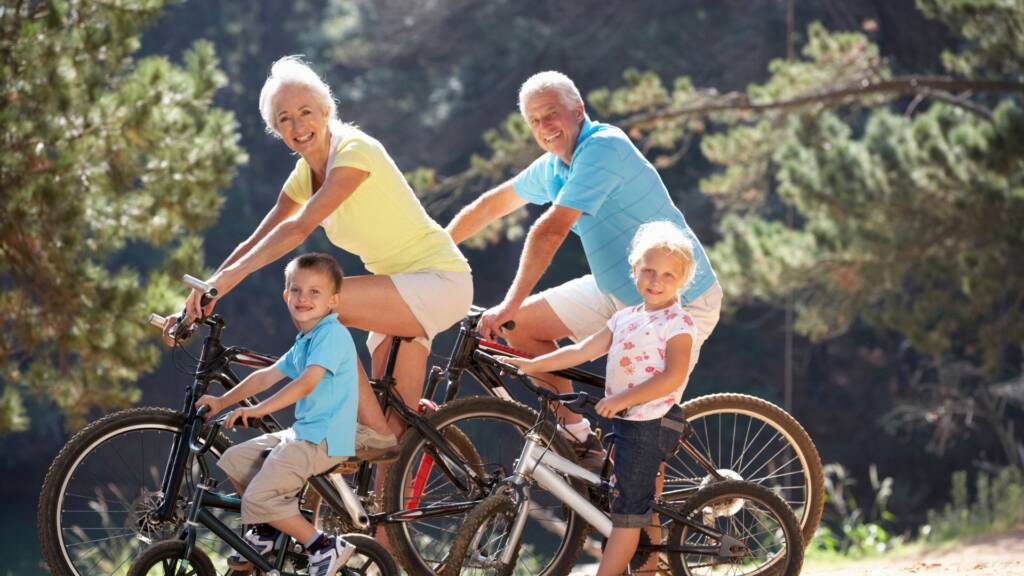



Knee pain when cycling
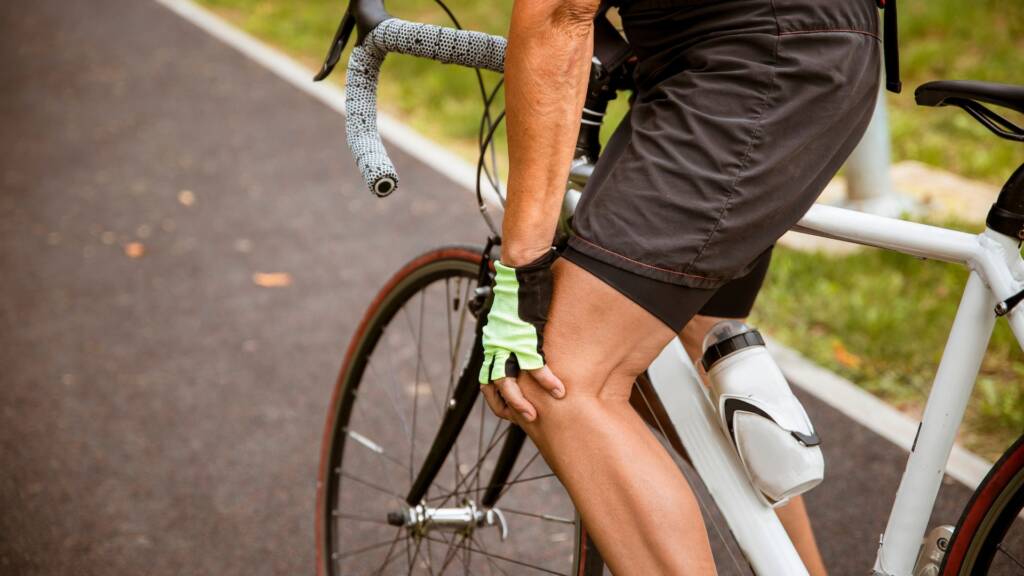
What cycling asks of your joints
Where cyclists usually feel it
Cycling discomfort is not always about the knee. Your position on the bike affects how you move and where you carry pressure.
Knee
Hip
Hand and Wrist
Back and Neck
Before you set off
A comfortable ride starts with a manageable plan and a bike that fits you. Experienced cyclists know the importance of a good bike fit, but when was the last time you had your positioning checked?
Questions about cycling and joint pain
The questions cyclists ask when discomfort starts affecting their time on the bike – it doesnt mean you have to stop. You can keep enjoying what you love by making adaptations.
Is cycling good for knee arthritis?
Cycling can be a useful way to stay active with knee osteoarthritis. It offers aerobic exercise without the repeated impact of running. The right starting point depends on your movement and symptoms: gentle resistance and short sessions may be more manageable than hills or a hard spin class.
Why do my knees hurt when cycling?
Knee pain can relate to riding load, bike setup, kneecap irritation or an existing joint condition. Where it hurts provides clues, but does not confirm the cause. If pain keeps returning, a clinician can assess the knee while a bike fitter reviews your riding position.
Should I stop cycling if my knee hurts?
Reduce the effort or finish the ride if pain is increasing or changing how you pedal. Notice how the knee feels afterwards and the following morning. Repeated flare-ups suggest the current riding load needs adjusting. A swollen, locking or giving-way knee needs assessment.
Can a knee support help with cycling?
A suitable support may help some people feel more comfortable and supported, depending on the cause of their symptoms. It should allow comfortable pedalling without bunching, slipping or pressing behind the knee. Choosing the right type and fit matters, alongside reviewing your bike setup and riding load.
Is an exercise bike a good place to start?
An exercise bike lets you control resistance, duration and pace without hills or traffic. That can make it a practical starting point when returning to activity. Adjust the setup for comfort, begin gently and increase gradually. Persistent pain is a reason to seek advice.
Supports for cyclists
We work with Össur to offer compression supports and more structured bracing for different needs. The right choice depends on what is causing your symptoms and how the support fits while pedalling. Explore the options below, or ask a clinician to help you choose.
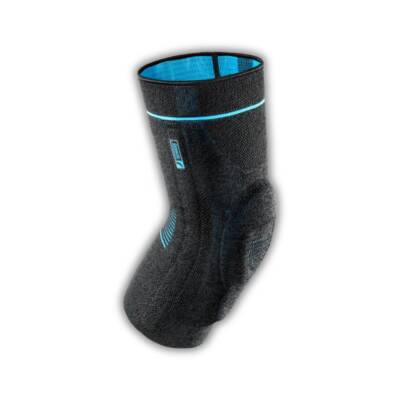
Össur Formfit® Pro Knee
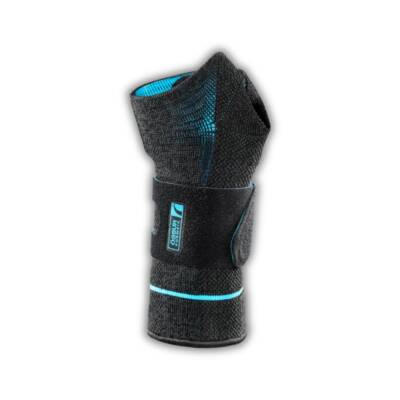
Össur Formfit® Pro Wrist Compression Sleeve
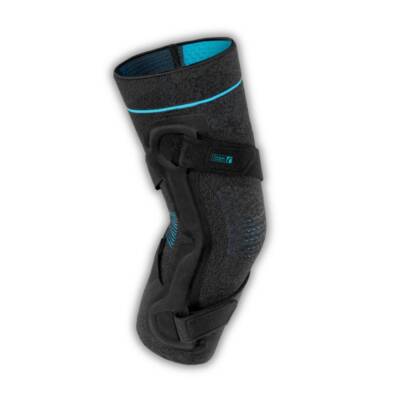
Ossur Formfit OA Knee
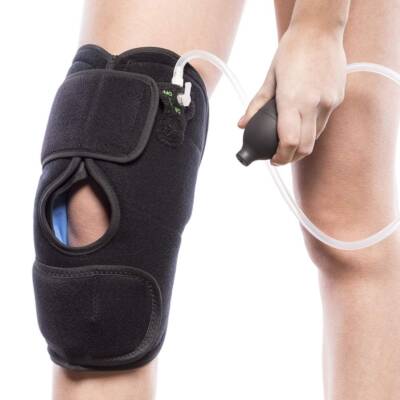
Knee cold compress
Conditions and treatments for these joints
Understand the condition behind your symptoms and explore the options that may form part of your care. Treatment decisions should follow an assessment and take account of what you want to get back to doing.
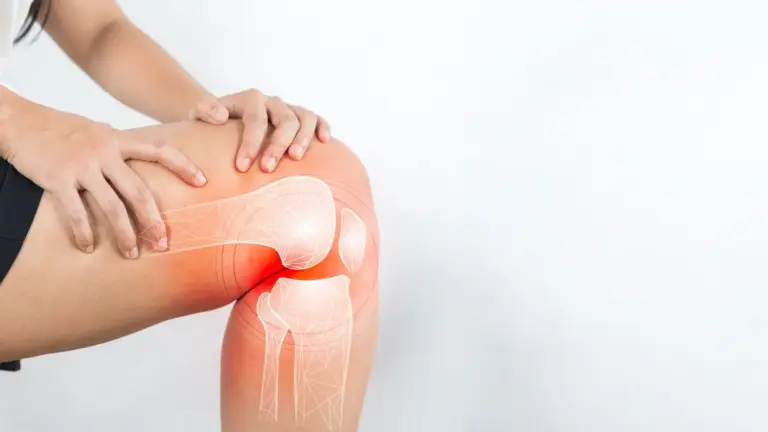
Knee Arthritis
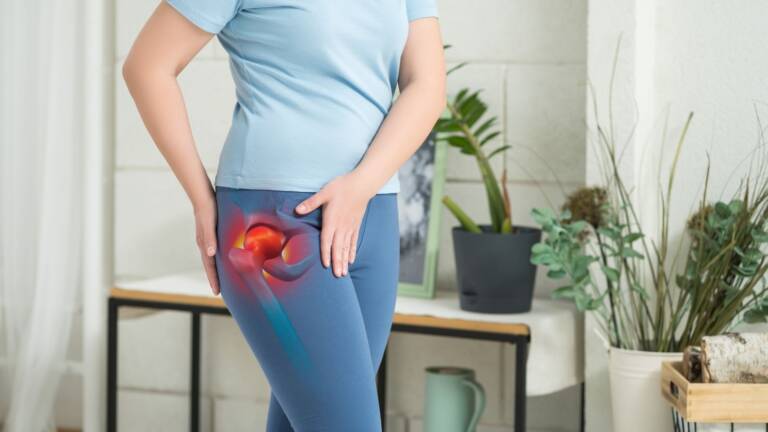
Hip Arthritis
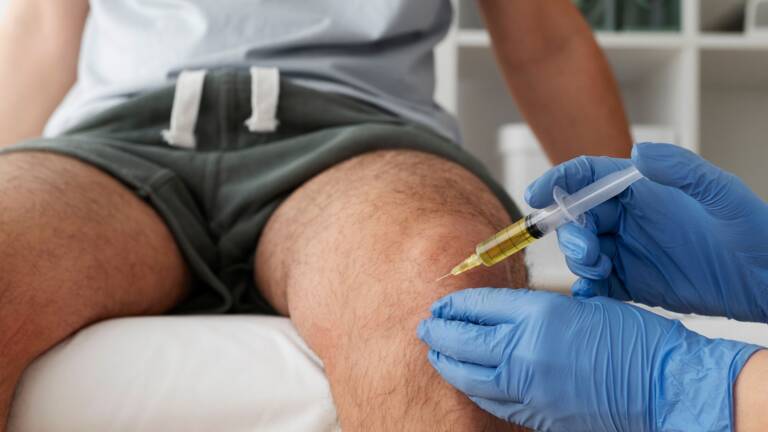
Joint injections
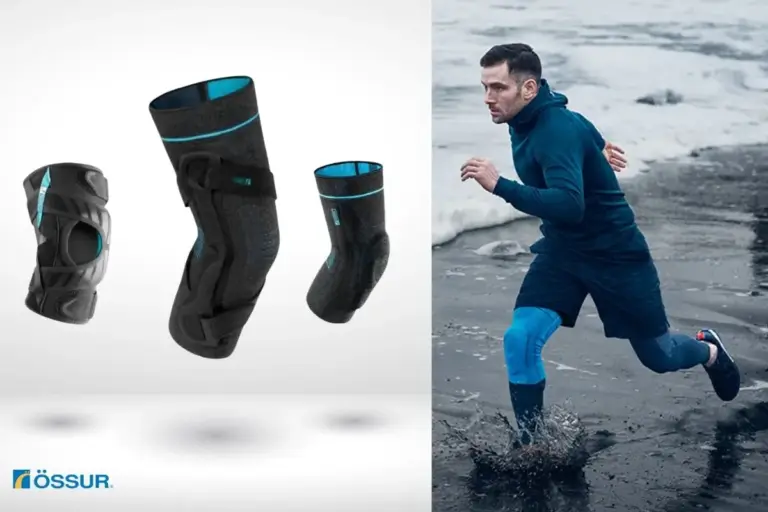
Compression support
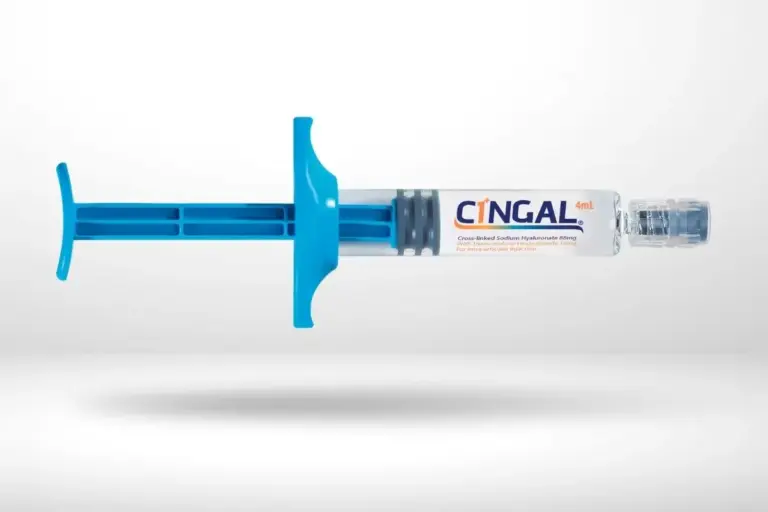
Cingal for joint pain
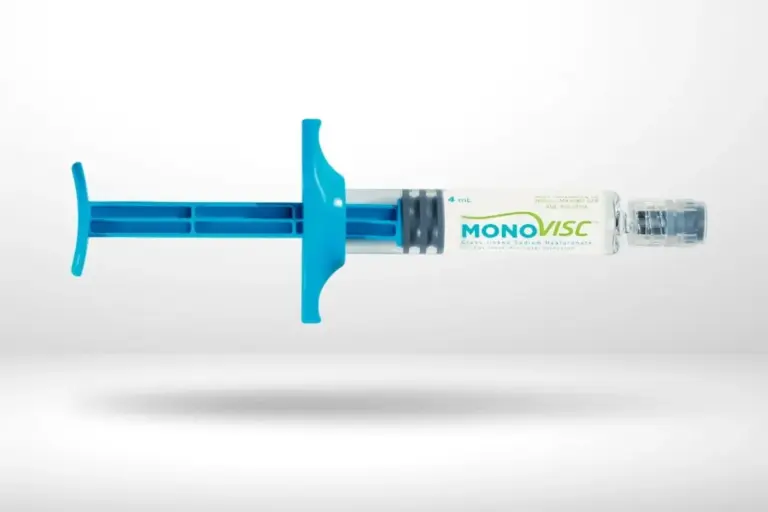
Monovisc for joint pain
Related stories and articles
More on managing joint pain, building activity gradually and making room for recovery.

Knee Osteoarthritis Relief
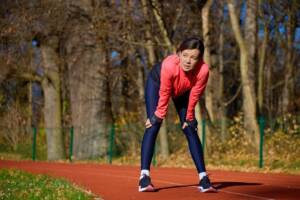
Masters Athletes: Periodisation and Recovery

Useful downloads
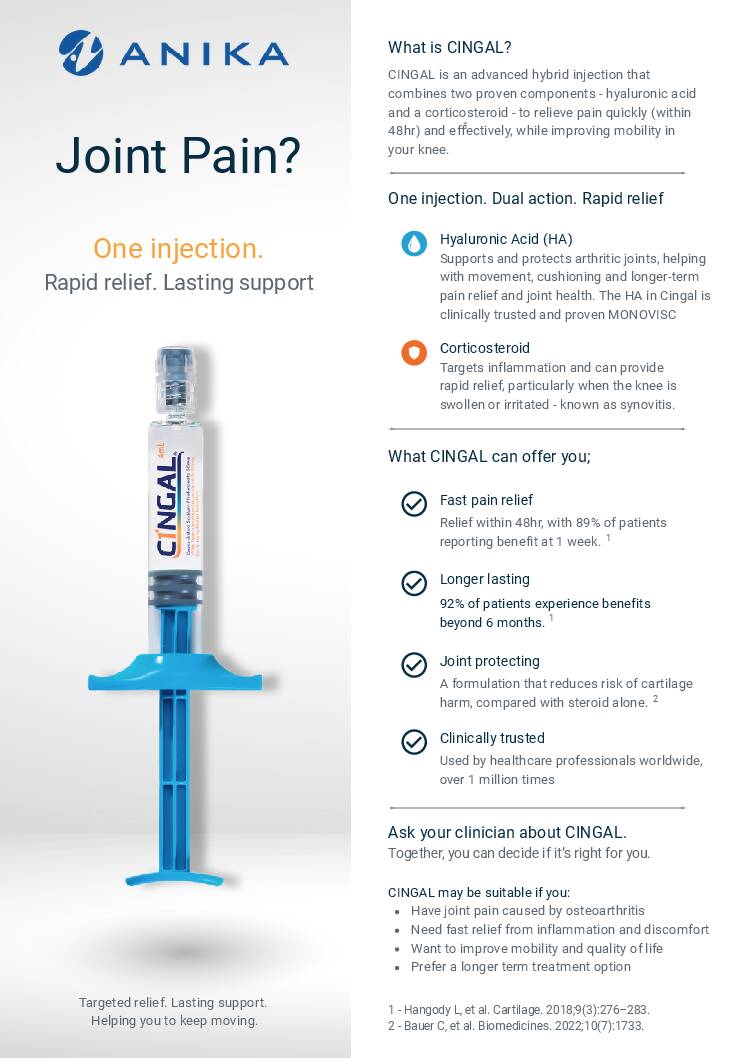
Cingal Overview Guide
Manufactured by world leader in joint care treatments, Anika. Learn more about breakthrough injection Cingal
Open the PDF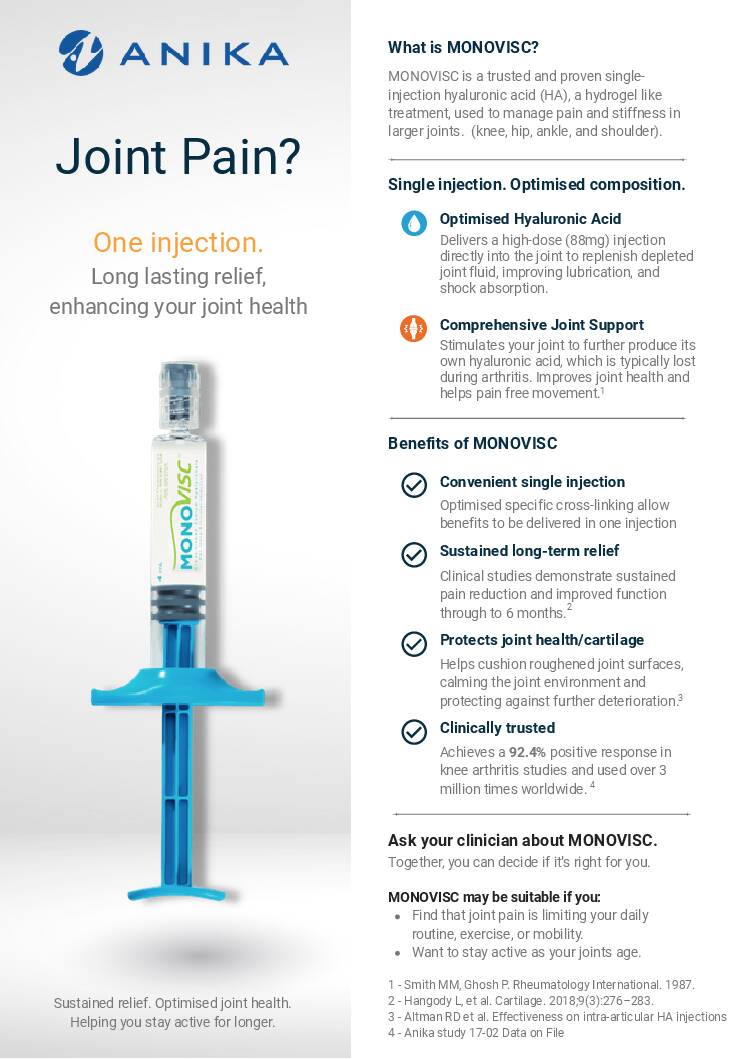
Monovisc Overview Guide
Manufactured by world leaders in joint care treatments, Anika. Monovisc has been trusted for joint pain treatment over 3 million times worldwide.
Open the PDF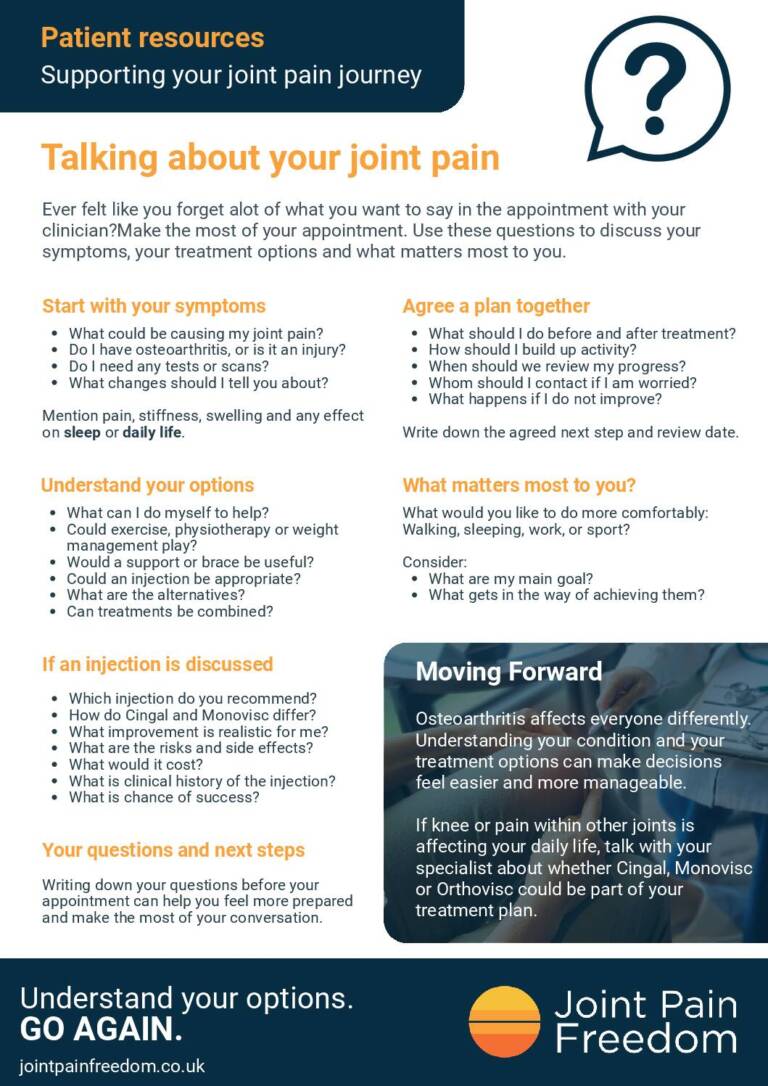
Talking about your joint pain
Questions to take to your appointment, covering your symptoms, your treatment options and what matters most to you.
Open the PDF