



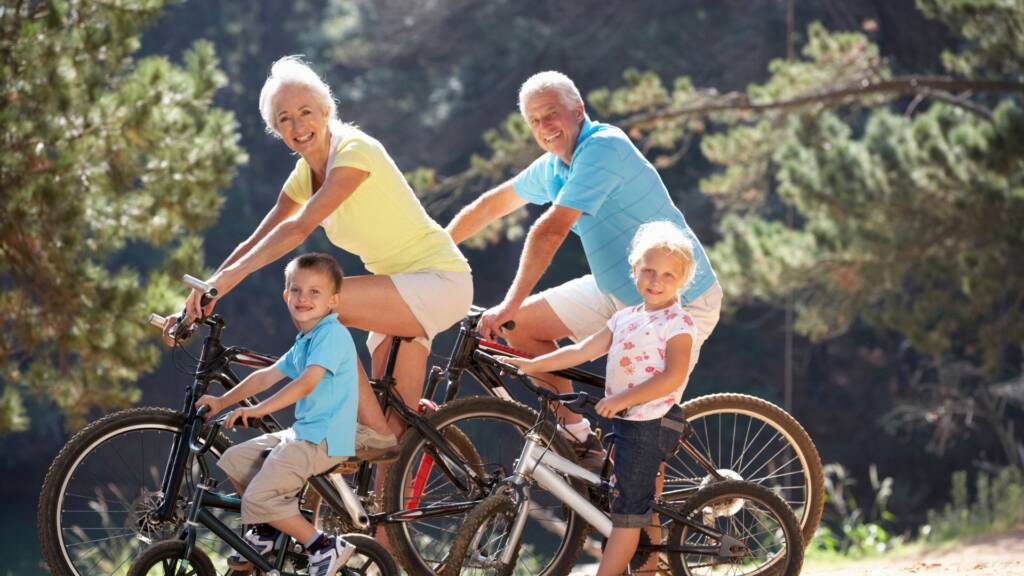



Running with joint pain
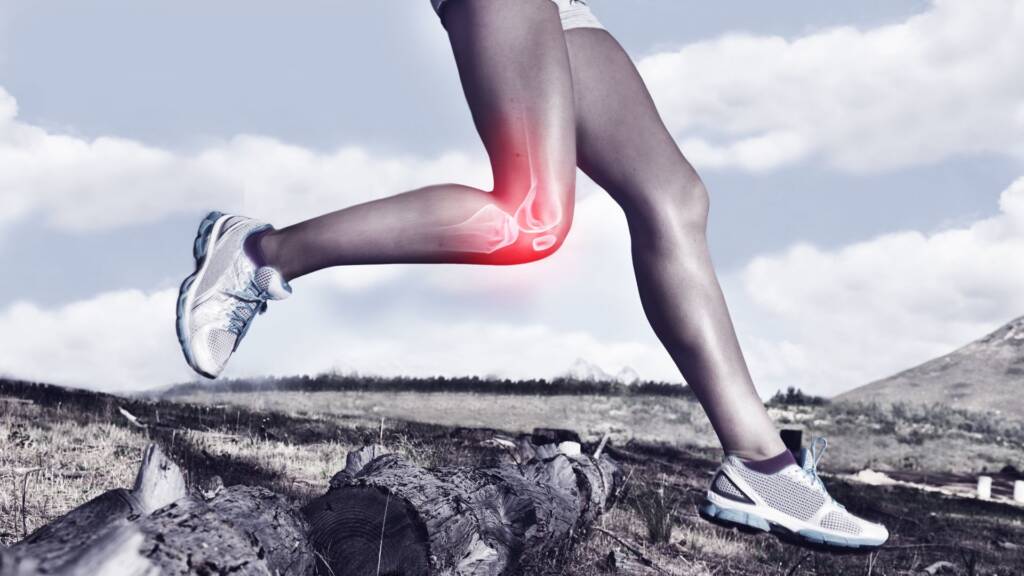
What running asks of your joints
Where runners usually feel it
Running concentrates load through the same chain every stride, so symptoms tend to appear in predictable places.
Knee
Ankle and foot
Hip
Lower back
Before you set off
Walking out of the door and straight into running pace is the most common way to provoke an irritable joint.
Questions about running and joint pain
The questions runners ask when a joint starts making itself known.
Does running cause arthritis?
Recreational running is not associated with a higher rate of knee or hip osteoarthritis, and in several studies runners fare better than non-runners. What running does do is expose a joint that is already irritated, and load errors, rather than running itself, are usually what provokes symptoms.
Should I switch to cycling or swimming instead?
Cross-training is useful, especially during a flare, but it does not have to be permanent. Many people manage by reducing the running rather than stopping it, then building back once the joint has settled.
How much should I cut back during a flare?
Enough that the joint is no worse the following morning. That is the practical test. For many people it means shorter, flatter and slower for a fortnight rather than nothing at all.
Do new shoes help?
Sometimes, but not as reliably as people hope. Worn-out shoes are worth replacing. Chasing a shoe to fix a joint problem usually costs more than it helps.
Is it normal for the knee to ache the next day?
Mild stiffness that settles within an hour of moving is common. Pain that lasts into a second day, or that gets worse week on week, is a sign the dose is too high and worth getting assessed.
Supports for runners
We work with Össur, a global leader in bracing and supports. Compression and mild kneecap tracking can often be a logical starting point to add support, but quality of the support is extremely important.
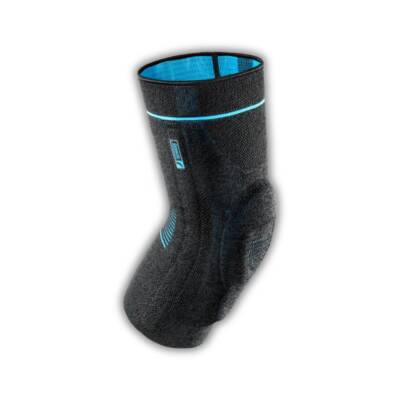
Össur Formfit® Pro Knee
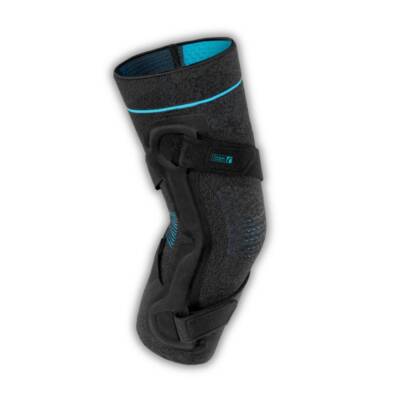
Ossur Formfit OA Knee
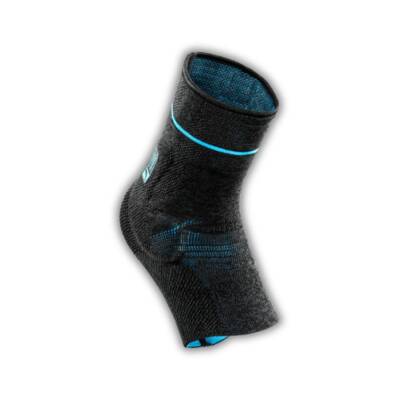
Össur Formfit® Pro Ankle
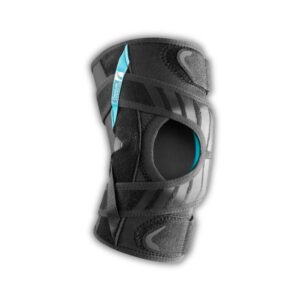
Össur Formfit® Tracker (PFJ)
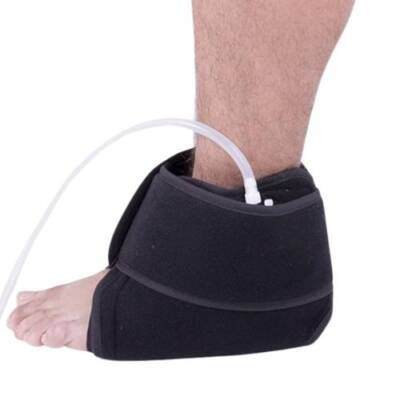
Ankle Cold Compress
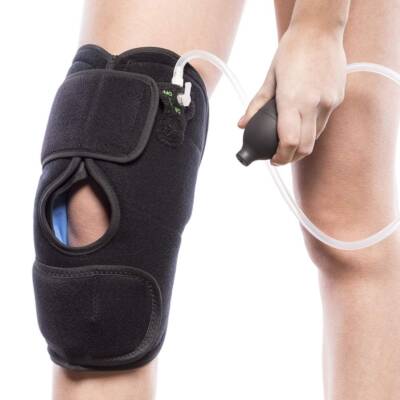
Knee cold compress
Conditions and treatments for these joints
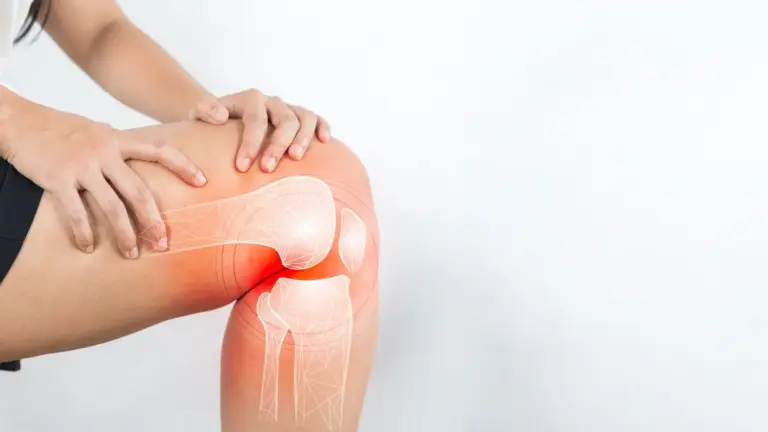
Knee Arthritis
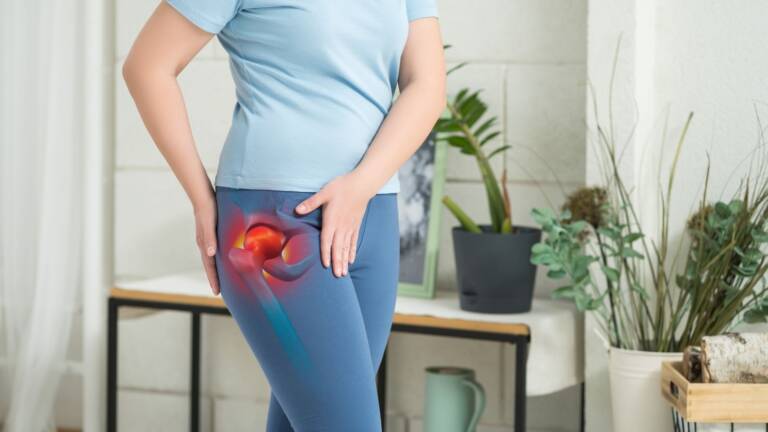
Hip Arthritis

Cingal for joint pain
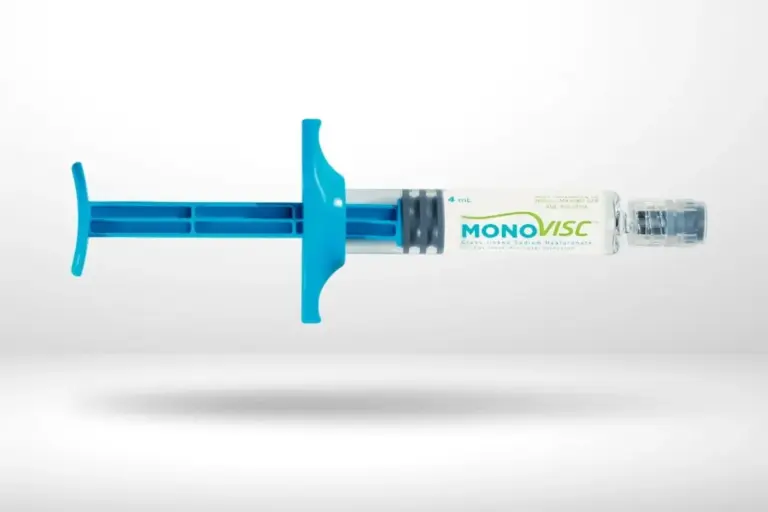
Monovisc for joint pain

Ankle Arthritis
Toe Arthritis
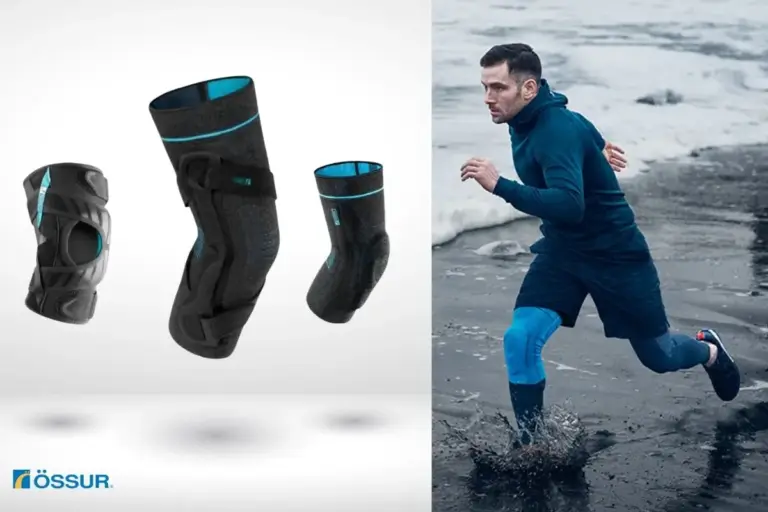
Compression support
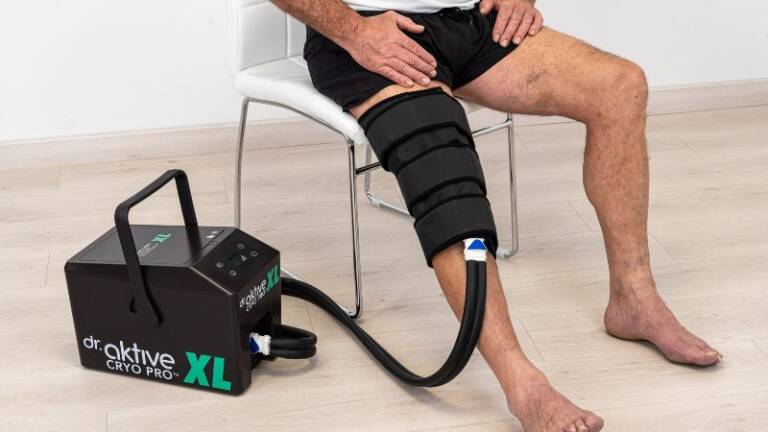
Cryo compression therapy
Related stories and articles
More on staying active with joint pain, and what other people have found helps.



Hiking, be prepared!

Staying active with joint pain