







Could PRP help?
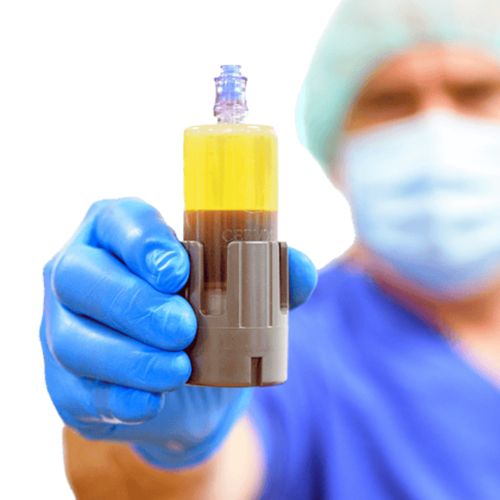
PRP at a glance
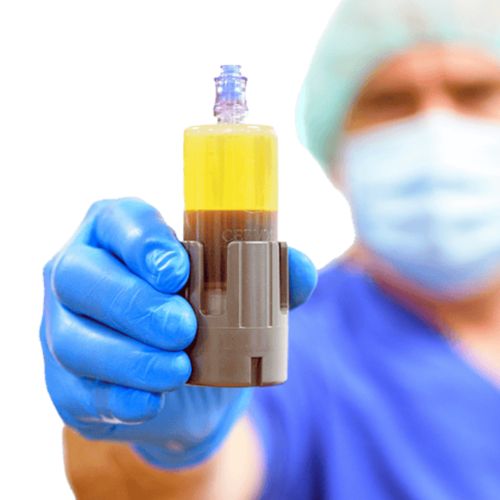
Platelet-rich plasma (PRP) is an injection made from your own blood, used to help manage joint pain and certain tendon problems.
- Made from your own blood. A sample is taken and processed to concentrate platelets, which contain proteins involved in the body’s repair response.
- Treats the affected area. The concentrated platelets are injected into the joint or tendon area, usually during the same appointment.
- Aims to ease pain and improve movement. Your clinician will assess whether PRP is suitable for your condition.
- Improvement takes time. Benefits may develop over several weeks. Temporary soreness can occur, and results vary.
Part of your recovery plan.
PRP should sit alongside appropriate exercise and rehabilitation. It is not a proven way to regrow cartilage or reverse arthritis, and it does not contain stem cells, although PRP prepared correctly has a mix of cells within it that can help further.
How PRP works
PRP uses concentrated platelets from your own blood to deliver growth factors to the treatment area. The aim is to ease symptoms and improve movement. Here’s how the process works.
What do the platelets do?
Where can it help?
Why isn’t all PRP the same?
When might I notice a difference?
Will regenerate my joint?
How many injections will I need?
When will I notice results?
PRP works gradually. Improvement may take several weeks, and results vary depending on your condition and treatment plan. This is a guide rather than a fixed timetable.
Is PRP right for you?
PRP may be an option for some people with knee osteoarthritis or persistent tendon problems. Your clinician will assess your diagnosis, previous treatment and overall health to help you decide.
Pain that keeps getting in the way
A condition that may respond
A goal of moving more comfortably
Time to work on recovery
When other options may be more helpful
Checks before treatment
PRP FAQ's and fast facts
PRP can be described in so many ways online; here we cover the main points you need to know.
Is PRP safe?
PRP uses your own blood, which reduces the risk of allergic reaction, and whole-body side effects are uncommon. As with any injection there are small risks, such as temporary soreness, a short-term flare or, rarely, infection. Your clinician should review your medical history and medicines, including blood thinners, first.
What is PRP treatment, and what can it help with?
Platelet-rich plasma (PRP) is made by concentrating platelets from your own blood and injecting them into the area being treated. It may help some people with knee osteoarthritis or certain persistent tendon problems. The evidence varies by condition, so your clinician should explain the likely benefits for you.
Are PRP injections painful?
You may feel a brief sting during the blood sample and discomfort or pressure during the injection. The treated area can feel more sore afterwards, sometimes for several days. Your clinician will explain what to expect and how to manage discomfort.
How long does PRP take to work, and how long does it last?
Improvement usually develops gradually over several weeks. Some people experience relief lasting months, while others notice little benefit. There is no guaranteed timetable or duration. Your clinician should arrange a review to assess changes in pain, movement and everyday activity.
How many PRP injections will I need?
Some treatment plans involve one injection; others use a course. The number and spacing depend on your condition, the PRP preparation and your response. Before starting, ask how many appointments are proposed, what the full course costs and when progress will be reviewed.
How much blood will need to be taken
This again can vary depending on what you need. PRP is used in aesthetics, for example, or even hair restoration, and it tends to require smaller blood samples because those procedures need fewer platelets. For an arthritic large joint, don’t be alarmed if your clinicians take 80 mL of blood. This takes around 2 – 3 minutes. This gives a much higher platelet count and stronger biological injection.
What are the risks of PRP injections?
Temporary pain, swelling and bruising can occur. Less common complications include infection, bleeding and injury to nearby tissues. Using your own blood does not make treatment risk-free. Seek urgent medical advice if you develop increasing pain with heat, redness, fever or feeling unwell.
Can I exercise or go to work after PRP?
This depends on the area treated and how physically demanding your work or exercise is. You may need to reduce strenuous activity initially, then build up gradually with a rehabilitation plan. Ask your clinician about work, driving and sport before your appointment.
Should I stop any medicines before PRP?
Tell your clinician about all medicines and supplements you take. They may recommend changes to anti-inflammatory medicines such as ibuprofen around treatment, but advice varies. Do not stop prescribed aspirin, blood thinners or other medicines without agreement from the clinician responsible for them – but do tell your clinicians carrying out the PRP procedure.
How much does PRP treatment cost, and will insurance cover it?
Prices vary by clinic, treatment area and number of injections. Ask whether the quoted price includes assessment, ultrasound guidance, follow-up and rehabilitation. Insurance coverage also varies, so confirm approval with your insurer before booking.
The PRP procedure: what to expect
Most appointments last around 30 to 45 minutes in a clinic room. Afterwards you can usually walk out and most people drive themselves home. This short video shows how PRP is prepared.
Supports that may help
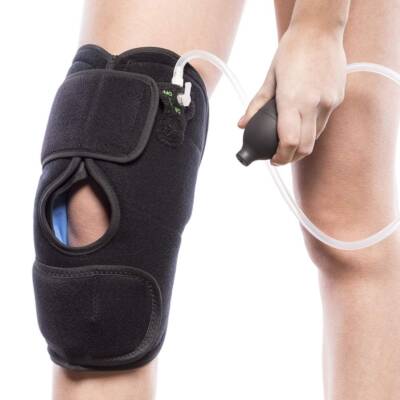
Knee cold compress
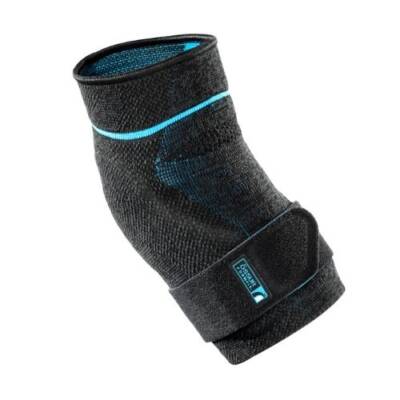
Össur Formfit Pro Elbow
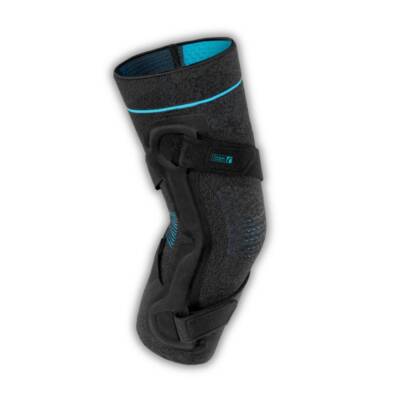
Ossur Formfit OA Knee
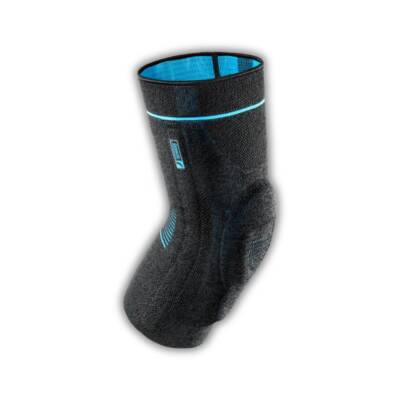
Össur Formfit® Pro Knee
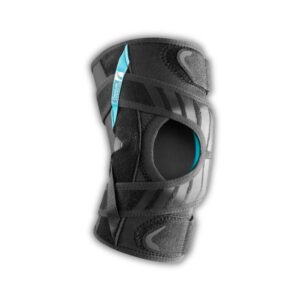
Össur Formfit® Tracker (PFJ)
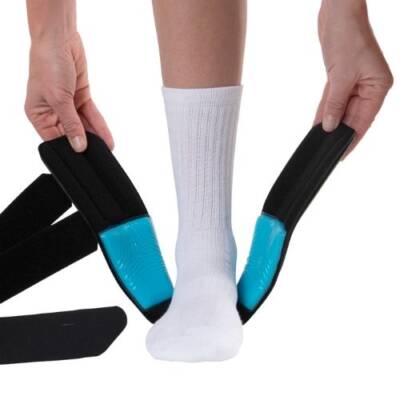
Össur Formfit Gel Ankle Stirrup
Related conditions and treatments
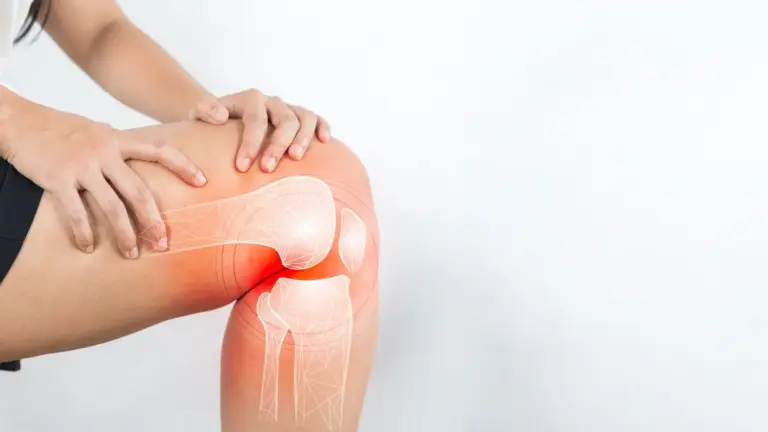
Knee Arthritis
Hyaluronic acid
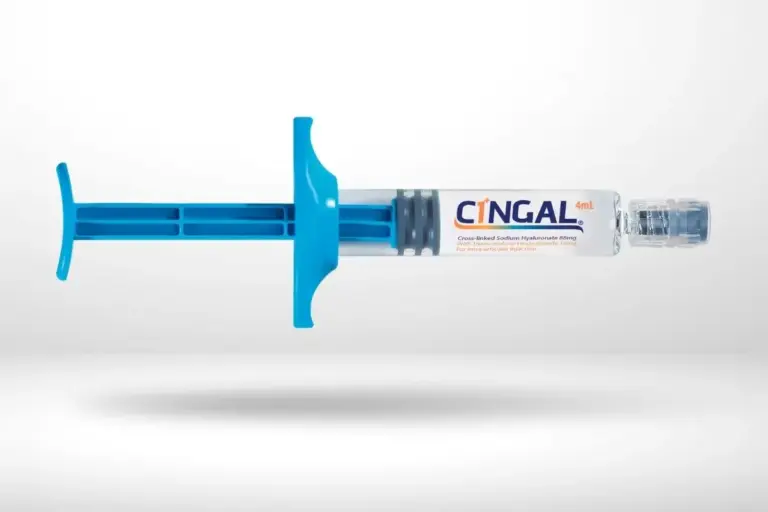
Cingal for joint pain
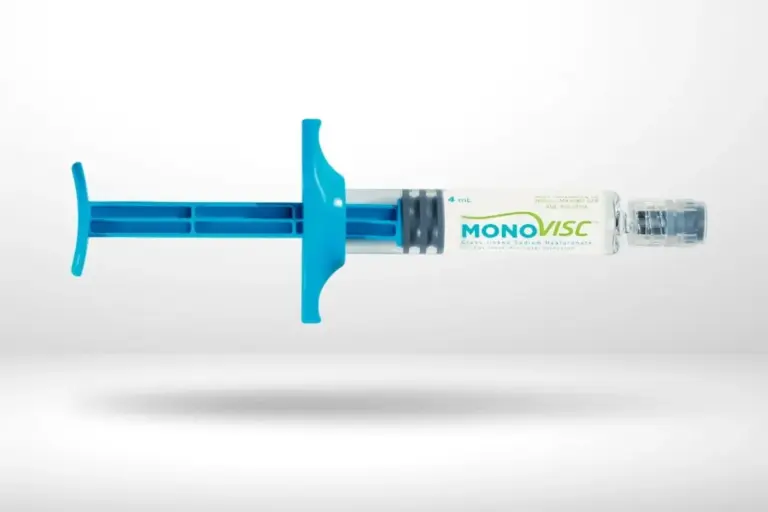
Monovisc for joint pain
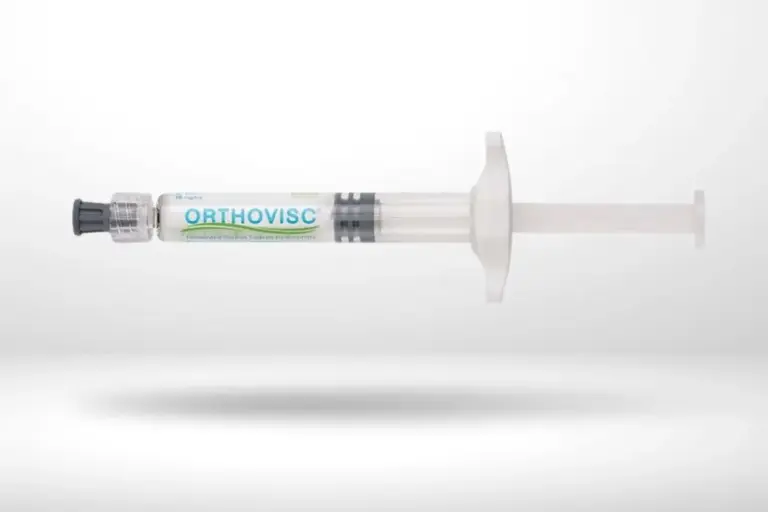
Orthovisc for joint pain
Stories and articles
What other people have found helps, and more on staying active with joint pain.


The Psychology of a Quick Fix

Staying active with joint pain