







Swimming and joint pain

What swimming asks of your joints
Where swimmers usually feel it
Swimming moves the load upwards rather than removing it, so the pattern of symptoms is almost the opposite of running.
Shoulder
Neck
Knee
Lower back
Elbow
Before you get in
A few minutes on the poolside makes the first lengths a great deal more comfortable, particularly in a cold pool.
Questions about swimming and joint pain
The questions that come up when swimming is the fallback rather than the first choice.
Is swimming really better for arthritic joints?
For the knee and hip, usually yes, because the water carries the load. It is not a free pass, though: breaststroke can irritate a knee, and the shoulders take on work they may not be used to.
Which stroke is kindest to a sore knee?
Front crawl or backstroke for most people. The breaststroke kick loads the inside of the knee, which is exactly where knee osteoarthritis is often felt.
My shoulder has started hurting since I took up swimming.
Common, and usually a volume-and-technique problem rather than a damage problem. Cut the distance, mix the strokes, add some shoulder-strength work and get a good coach to look at your hand position. If it persists past a few weeks, get it looked at.
Is aqua aerobics as good as swimming?
For joint symptoms it is often better, because you get the offloading without the shoulder volume. It also builds the leg strength that supports a knee or hip on land.
Does the water need to be warm?
Warmer water is more comfortable for stiff joints and many people find they move more freely in it. A cold pool is not harmful, but it will need a longer warm-up.
Supports for swimmers
The Össur compression sleeves can be worn in the water, helping to support any areas that are known to flare or casue pain after activity.
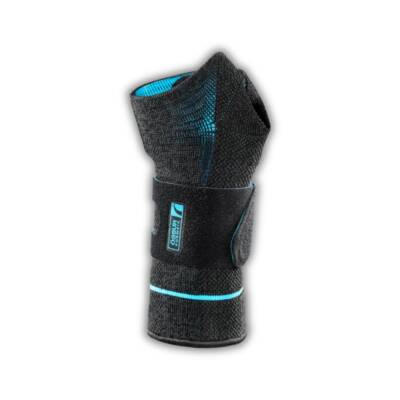
Össur Formfit® Pro Wrist Compression Sleeve
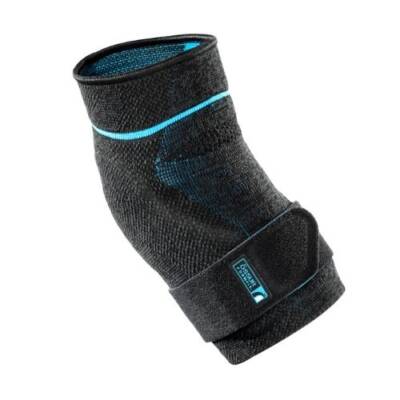
Össur Formfit Pro Elbow
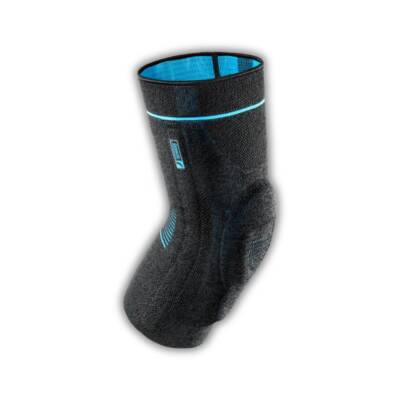
Össur Formfit® Pro Knee
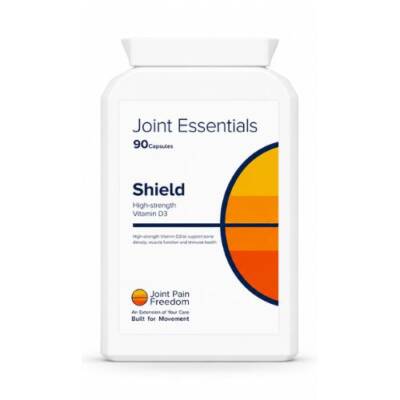
Shield - Joint Essentials
Conditions and treatments for these joints
If joint pain is preventing you from getting to your swim session and you know it’s not a technique issue, some of these guides may be helpful.
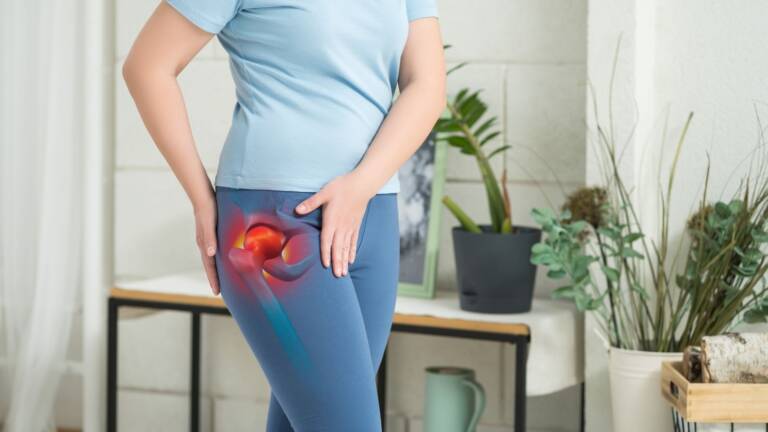
Hip Arthritis
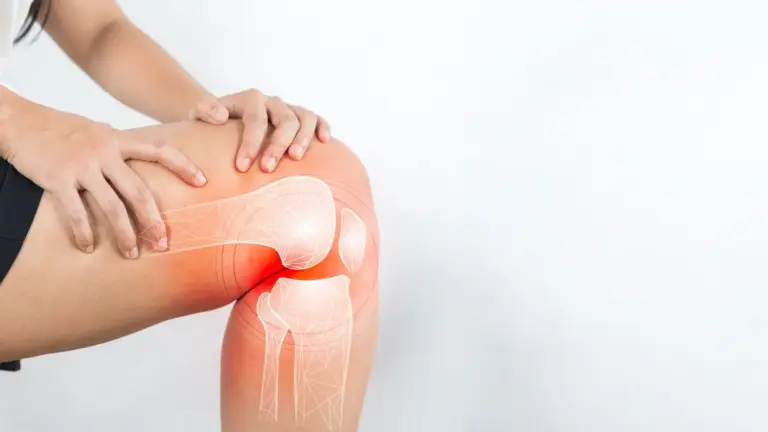
Knee Arthritis

Cingal for joint pain
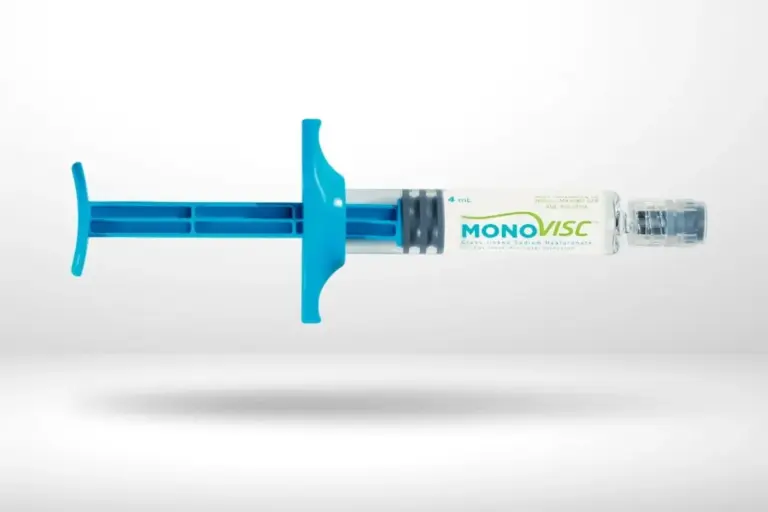
Monovisc for joint pain
Hyaluronic acid
Related stories and articles
More on staying active with joint pain, and what other people have found helps.

Staying active with joint pain