





Martial arts with joint pain
What martial arts ask of your joints
Where martial artists usually feel it
Where you feel it depends a great deal on the discipline, but a few joints come up again and again.
Knee
Hip
Hand and wrist
Shoulder and neck
Before you train
Class warm-ups are usually about conditioning. A joint that is already irritable may need its own five minutes first.
Questions about martial arts and joint pain
The questions that come up when training matters and the joint is not cooperating.
Do I have to stop training?
Rarely. Most people can keep training by changing what they do rather than whether they do it: drilling instead of sparring, technique instead of rounds, and skipping the movements that provoke the joint for a few weeks.
Are hard floors the problem?
They contribute, particularly for knees during kneeling and ground work. Knee pads and mat choice help. Session length and frequency usually matter more.
Should I strap a joint before training?
A support can help an irritable joint get through a session and gives useful confidence. It is a short-term aid alongside strength work, not a replacement for finding out what is going on.
My knuckles and thumb ache after striking.
Worth having looked at, particularly if it persists between sessions. Grip and impact load the base of the thumb hard, and that is the most common site of hand osteoarthritis.
Is it too late to start in my fifties?
No. Plenty of people begin later and train for years. Start with a gym that will scale sessions for you, build up slowly, and get any existing joint problem assessed first so you know what you are working with.
What helps: movement, support and the right treatment at the right time
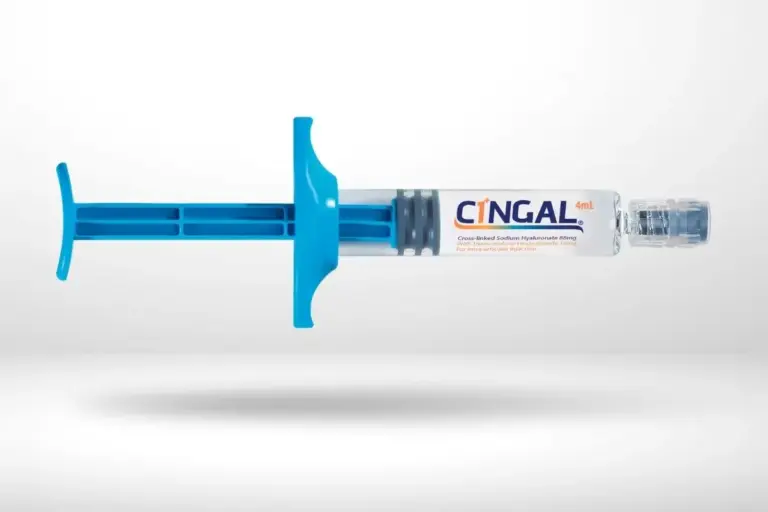
Cingal for joint pain
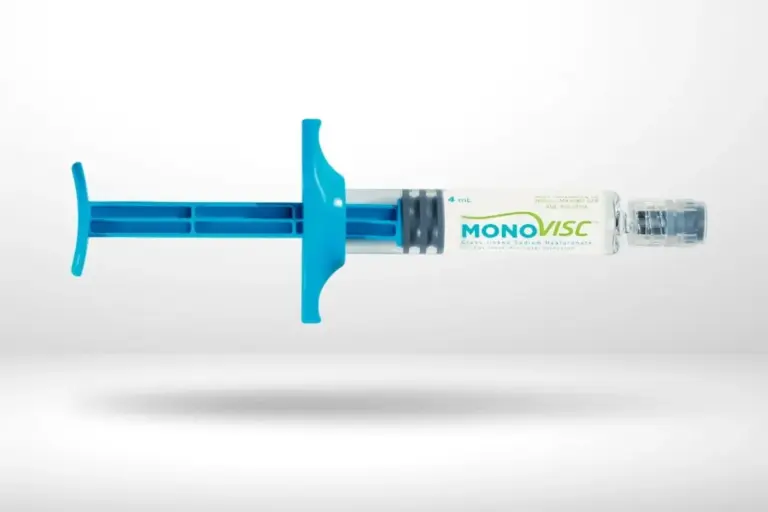
Monovisc for joint pain
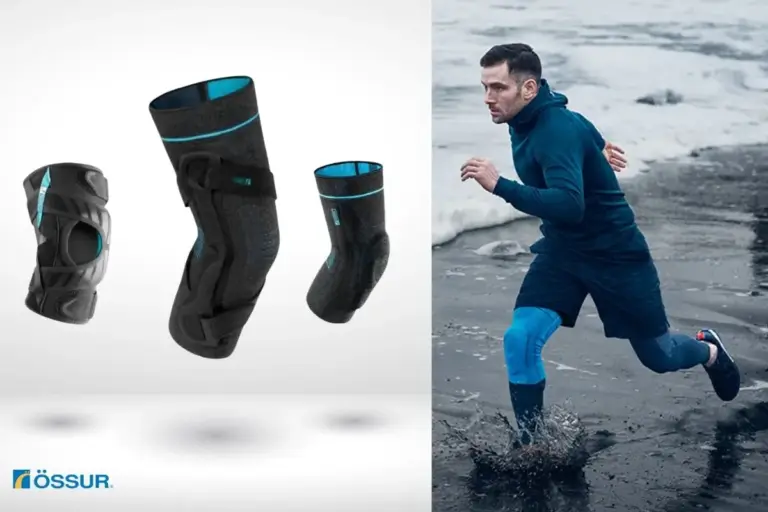
Compression support
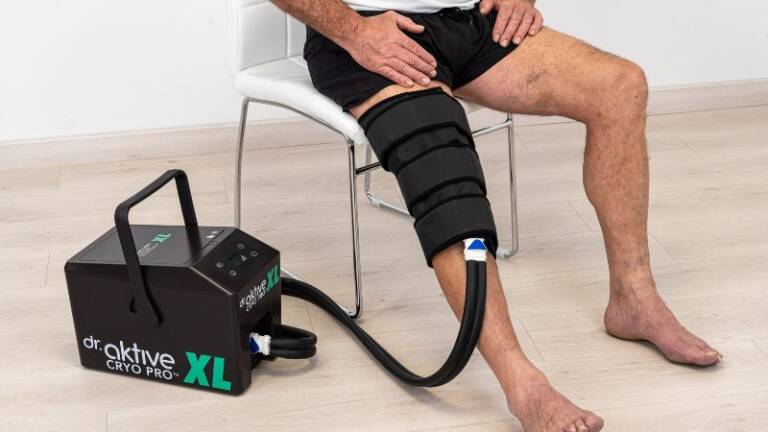
Cryo compression therapy
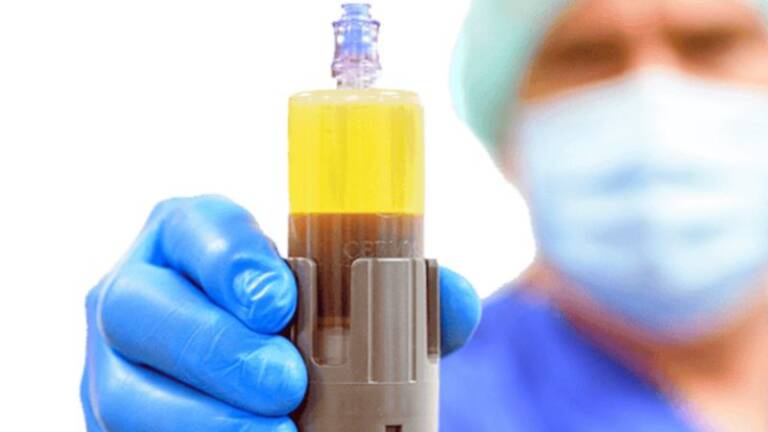
Could PRP help?
Supports for martial artists
A short suggested range of optons that are commonly requested with sports and activities like martial arts.
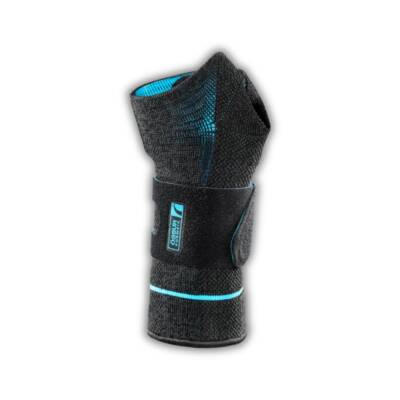
Össur Formfit® Pro Wrist Compression Sleeve
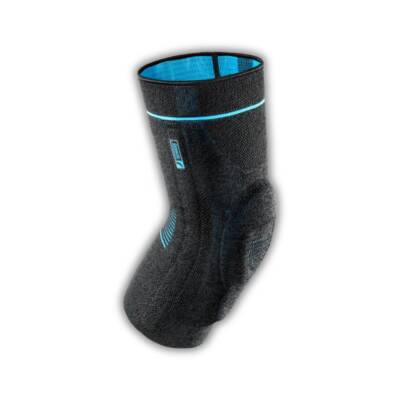
Össur Formfit® Pro Knee
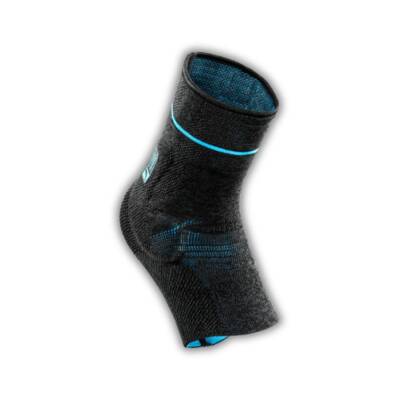
Össur Formfit® Pro Ankle
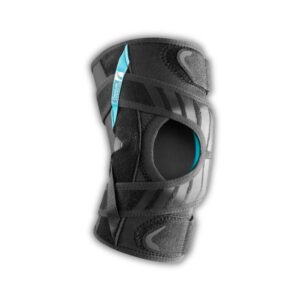
Össur Formfit® Tracker (PFJ)
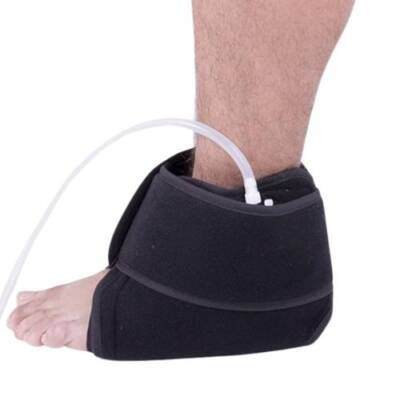
Ankle Cold Compress
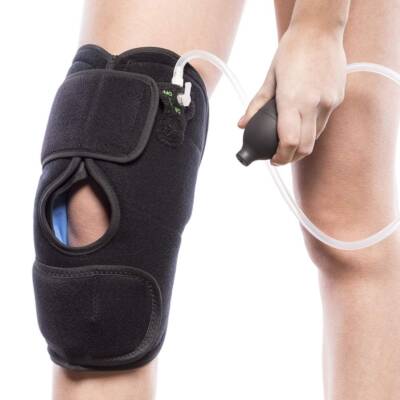
Knee cold compress
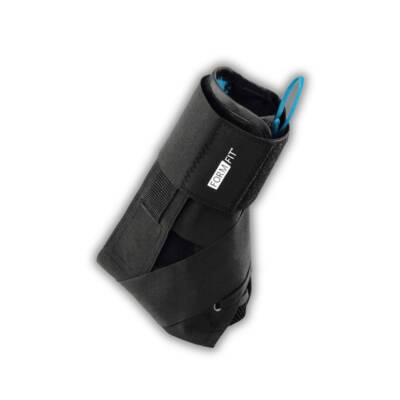
Össur Form Fit Ankle Speed Brace
Conditions and treatments for these joints
Learn more about conditions that could be holding you.
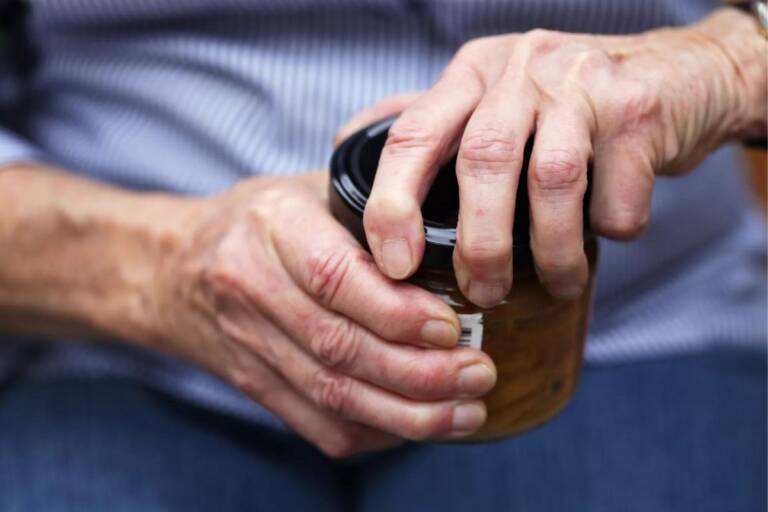
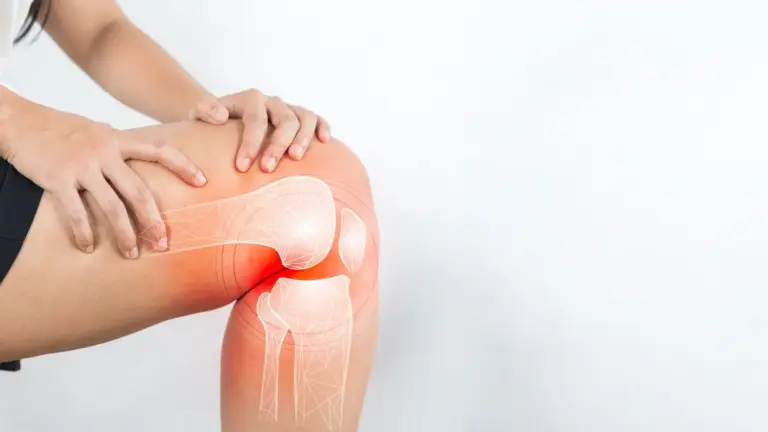
Knee Arthritis
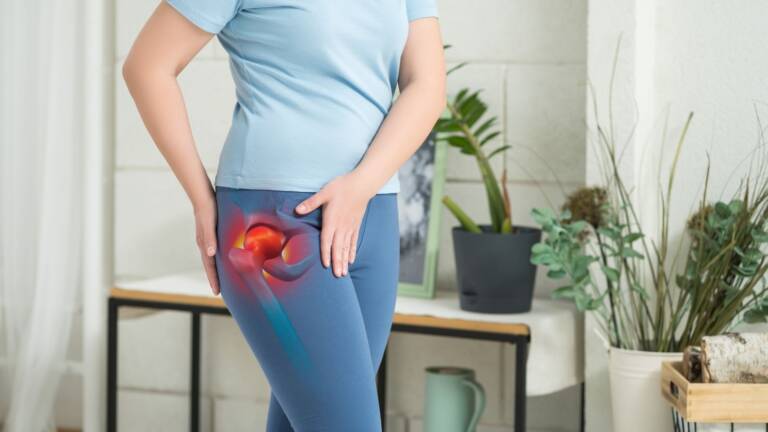
Hip Arthritis

Ankle Arthritis
Toe Arthritis
Related stories and articles
More on staying active with joint pain, and what other people have found helps.
Masters Athletes: Periodisation and Recovery

Staying active with joint pain