







Knee pain
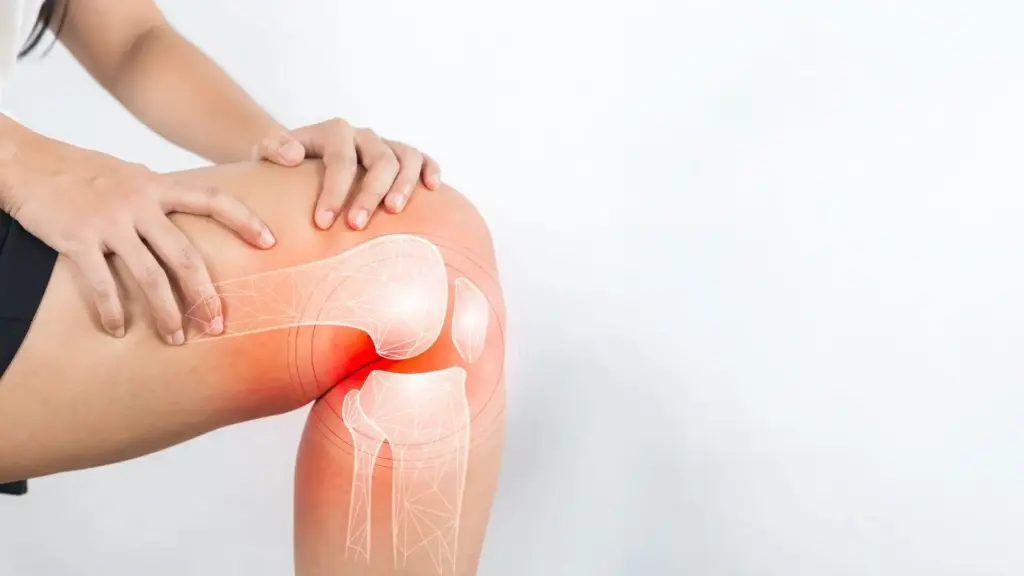
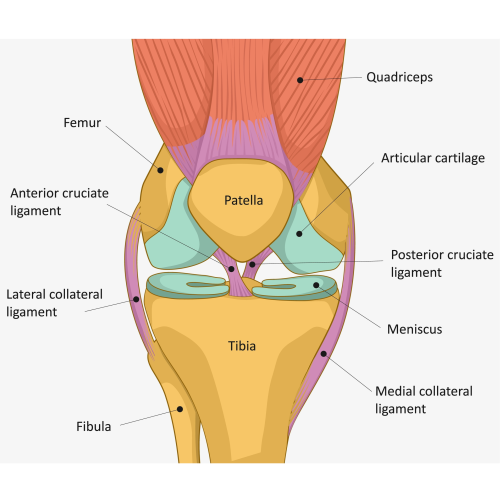
What's happening in the knee joint?
Does this sound like your knee?
- Pain when walking, particularly on stairs or hills
- Stiffness after sitting or first thing in the morning
- Swelling or a feeling of fullness
- Clicking, grinding or reduced confidence in the knee
- Difficulty bending fully, squatting or getting out of a chair
These symptoms can be consistent with knee osteoarthritis, but they can also have other causes. A clinician can often understand the problem from your symptoms and an examination. An X-ray or scan is not always needed.
The knee is one of the joints most commonly affected when pain starts to slow active people down, so it is important to understand the options. The knee joint carries load every day; even small changes in the cartilage, lining of the joint, meniscus or overall mechanics can start to matter.
The knee
It’s a complex joint, and you don’t need to understand everything about how it works, but it helps to know that the smooth surface called cartilage plays an important role during load and movement. It works alongside the meniscus, a cushioning structure between the thigh and shin bones that helps to distribute weight across the joint. Both of these structures can be affected by arthritis, but knee pain can also have other causes, many of which can be managed in a range of conservative ways.
Common symptoms
Stiffness
Walking further
Stairs and squatting
Swelling
Grinding
Flare-ups
What’s happening: the stages of arthritis
Osteoarthritis is common and progressive, but many people manage it well, particularly when symptoms are understood early and the right treatments are considered. Stages describe how the joint looks on an X-ray; pain and damage do not always match, and your symptoms matter more than the stage.
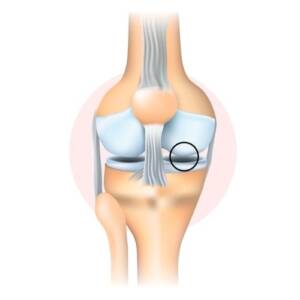
Stage 1, doubtful
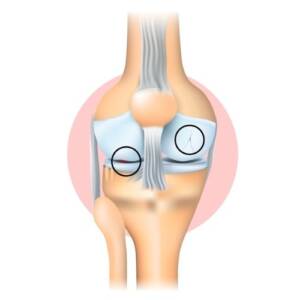
Stage 2, mild
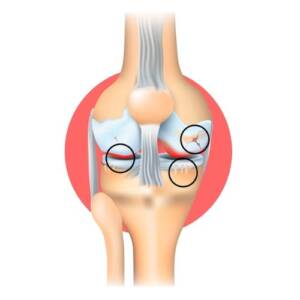
Stage 3, moderate
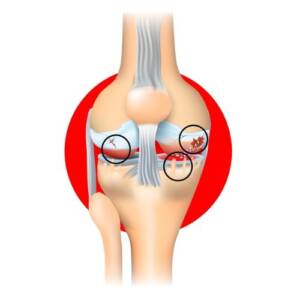
Stage 4, severe
How knee arthritis is assessed
NICE recommends exercise as a core treatment for osteoarthritis. Getting an image or scan straight away is not always needed, and arthritis symptoms can sometimes overlap with other health issues, so it is always best to seek professional advice.
Symptom history
Physical examination
X-ray if needed
Further imaging
What helps: movement, support and the right treatment at the right time
Knee pain can have several causes, and you may not know exactly what is happening inside the joint. Osteoarthritis is one common cause, particularly when pain is accompanied by stiffness, swelling or difficulty with activities such as walking, using stairs or getting up from a chair.
There is no single treatment that is right for every painful knee. The best approach will depend on your symptoms, general health, activity levels and how much the problem is affecting everyday life. Treatment often begins with ways to improve strength, reduce irritation and help you keep moving with greater confidence.
A good place to start is with approaches that help you stay active and control pain with as few side effects as possible.
Movement and strengthening
Weight management
Physiotherapy is key
Treatments and choices
FAQs about knee arthritis
The questions people ask most often when knee pain starts getting in the way.
What is knee arthritis?
Knee arthritis usually refers to knee osteoarthritis, a condition where the cartilage that covers the ends of the bones in the knee gradually wears down.
Cartilage normally allows the joint to move smoothly and absorb load during walking and activity. As this cartilage becomes thinner, the joint can become stiff, irritated and painful.
Osteoarthritis is one of the most common causes of knee pain in adults and often develops slowly over time.
What are the early symptoms of knee arthritis?
Early symptoms of knee osteoarthritis can develop gradually and may vary between people.
Common early signs include:
– stiffness in the knee, especially in the morning or after sitting
– discomfort when walking longer distances
– pain when climbing stairs or squatting
– mild swelling around the joint
– a feeling of grinding or reduced smooth movement in the knee
Symptoms often fluctuate, with periods where the knee feels relatively comfortable followed by flare-ups.
Where is knee arthritis pain usually felt?
Pain from knee arthritis is often felt around the front or inside of the knee joint, although it can vary.
Some people experience:
– pain behind the kneecap
– discomfort along the inner side of the knee
– aching around the whole joint after activity
Because the knee carries body weight during walking and movement, pain may worsen after standing, walking longer distances or using stairs.
Can exercise help knee arthritis?
Yes. Exercise and strengthening are among the most important parts of managing knee osteoarthritis.
Strengthening the muscles around the knee can help:
– support the joint
– reduce pressure on damaged cartilage
– improve stability and walking ability
– reduce pain during daily activity
Many people benefit from guidance from a physiotherapist or musculoskeletal specialist when starting an exercise programme.
What treatments are available for knee arthritis?
Treatment usually follows a step-by-step approach.
This may include:
– physiotherapy and strengthening exercises
– weight management and activity modification
– short-term pain relief medications when needed
– supportive treatments such as bracing or cold therapy
– injection therapies for joint pain
– surgical assessment in more advanced cases
The goal of treatment is usually to reduce pain and help people remain active for as long as possible.
When are knee injections considered for arthritis?
Injection therapies may be considered when knee pain continues despite physiotherapy and conservative treatments.
They are often used when:
– pain is limiting walking or activity
– symptoms flare due to inflammation inside the joint
– patients want to delay or avoid surgery
Injections are normally delivered directly into the joint by clinicians experienced in musculoskeletal care.
What types of injections are used for knee arthritis?
Several types of injections may be used depending on the symptoms and stage of osteoarthritis.
Common options include:
– corticosteroid injections to reduce joint inflammation
– hyaluronic acid injections to support joint lubrication
– other regenerative or biologic treatments in specialist clinics
– newer gel-type or polymer injections, although these are still relatively new
A clinician can help determine whether injection therapy is appropriate and which option may be most suitable.
Can hyaluronic acid injections help knee arthritis?
Hyaluronic acid occurs naturally within healthy joint fluid and helps the joint move smoothly.
In osteoarthritis the quality of this fluid can change. Hyaluronic acid injections aim to improve lubrication and cushioning within the joint.
Some patients experience improvements in pain and mobility following treatment, particularly when injections are combined with strengthening and rehabilitation.
Can knee arthritis be cured?
There is currently no cure for osteoarthritis, but many treatments can help manage symptoms effectively.
Most treatment plans aim to:
– maintain joint movement
– strengthen the muscles around the knee
– reduce inflammation and pain
– support activity and mobility
Many people live active lives with knee osteoarthritis when symptoms are managed appropriately.
Is there a best injection for knee arthritis?
Every patient is different. There is no one-size-fits-all approach, and the most suitable option will depend on your symptoms and the stage of arthritis.
However, Cingal represents the highest chance of success across all options (92%).
A clinician can explain the likely benefits, limitations and alternatives of each option for your knee.
What to do next
If knee pain is continuing to affect your movement, activity or everyday life, you may want to understand the additional treatment options available. Some people are looking for greater support during daily activity, while others want to explore treatments for persistent arthritis pain.
Many physiotherapists and clinicians use such options to help progress your movement and rehabilitation.
We only work with leading technologies and manufacturers, who are trusted nationally within the NHS and private clinics and endorsed by clinical specialists.

Cingal for joint pain
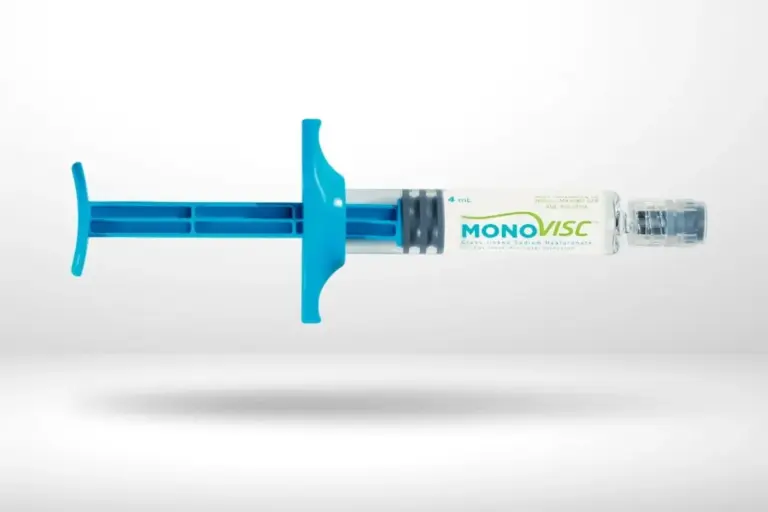
Monovisc for joint pain

Compression support
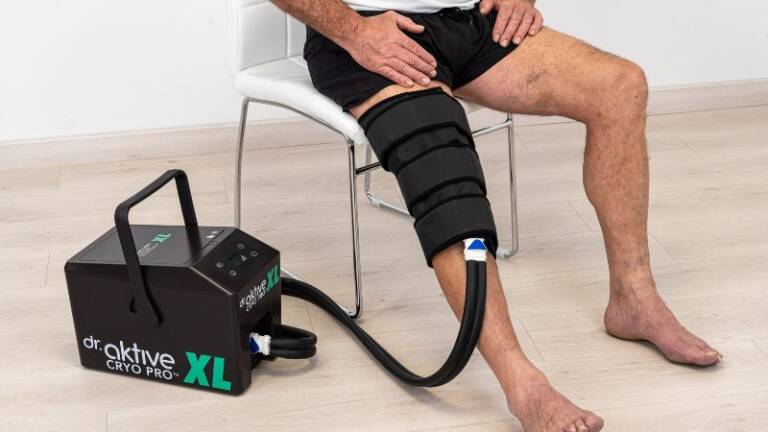
Cryo compression therapy
Making informed choices about knee pain
Knee pain is not always straightforward, and similar symptoms can have different causes. Speaking to a qualified healthcare professional is important. They can consider how your pain behaves, how the knee moves, your medical history and what you want to get back to doing, rather than focusing on one scan result or one treatment alone.
Your own research matters too. Clear, reliable information can help you understand the choices available, ask better questions and play an active part in decisions about your care.
Where Joint Pain Freedom can help
Joint Pain Freedom works directly with a large number of experienced clinicians and specialist clinics. Whether you are ready for an assessment or simply want help making sense of the options, we can help you locate your nearest Joint Pain Freedom Centre of Excellence or offer sensible, clinically focused guidance.
Sensible next steps to consider
If knee pain is starting to affect day-to-day movement, the next step is not guessing; it is understanding your options properly. Learning as much as possible before seeing a specialist can be a good thing, as long as the information is sound. Websites like this one, and others like Versus Arthritis and Arthritis UK, give trusted advice.
Your own research may include reading about physiotherapy, braces and injection pathways, but the key is to seek specialist advice and not allow the joint to deteriorate further.
Resources used:
Supports that may help
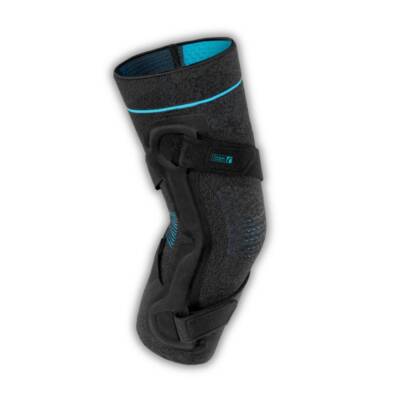
Ossur Formfit OA Knee

Össur Formfit Knee Hinged Brace
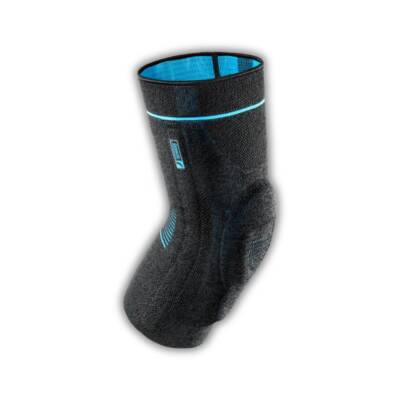
Össur Formfit® Pro Knee
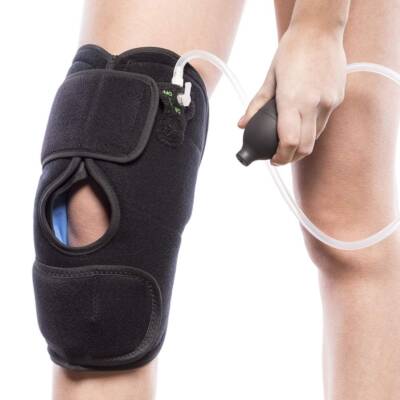
Knee cold compress

Active - Joint Essentials
Treatments for this joint
Cingal for joint pain
Monovisc for joint pain
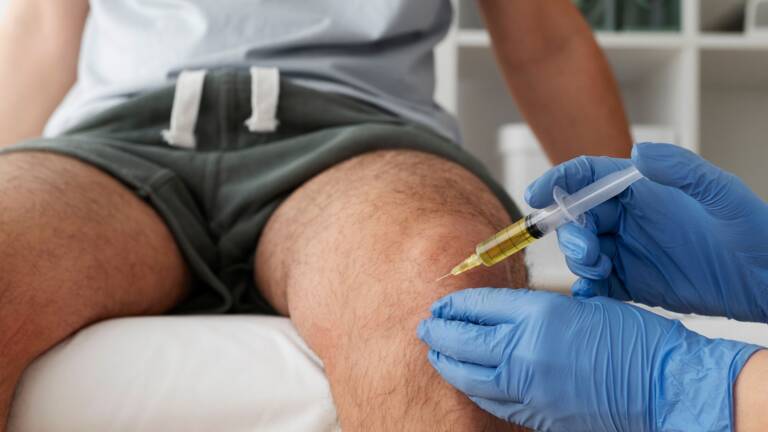
Joint injections
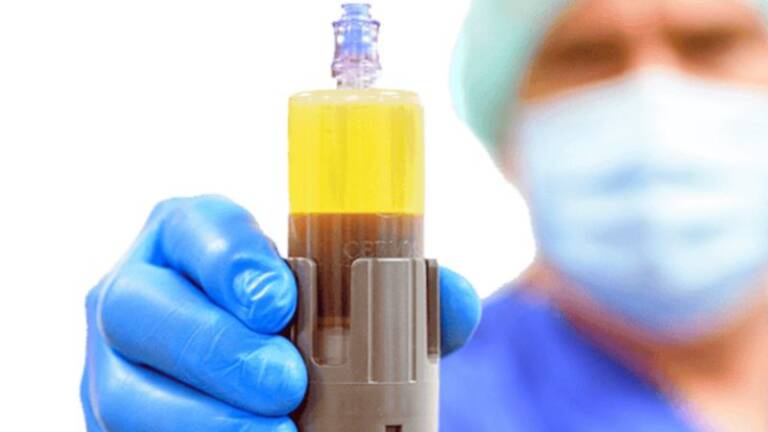
Could PRP help?
Compression support



Related stories and articles

Knee Osteoarthritis Relief

The Osteoarthritis Treatment Journey




A Cingal Journey – Patient Testimonial
Useful downloads
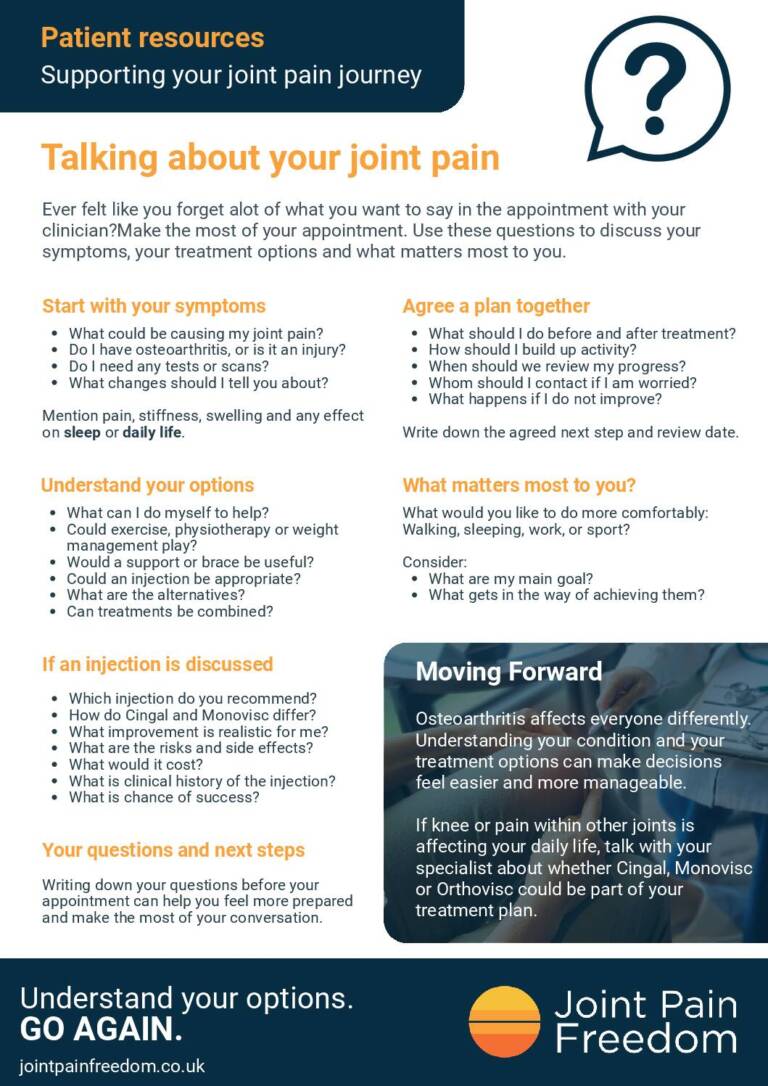
Talking about your joint pain
Questions to take to your appointment, covering your symptoms, your treatment options and what matters most to you.
Open the PDF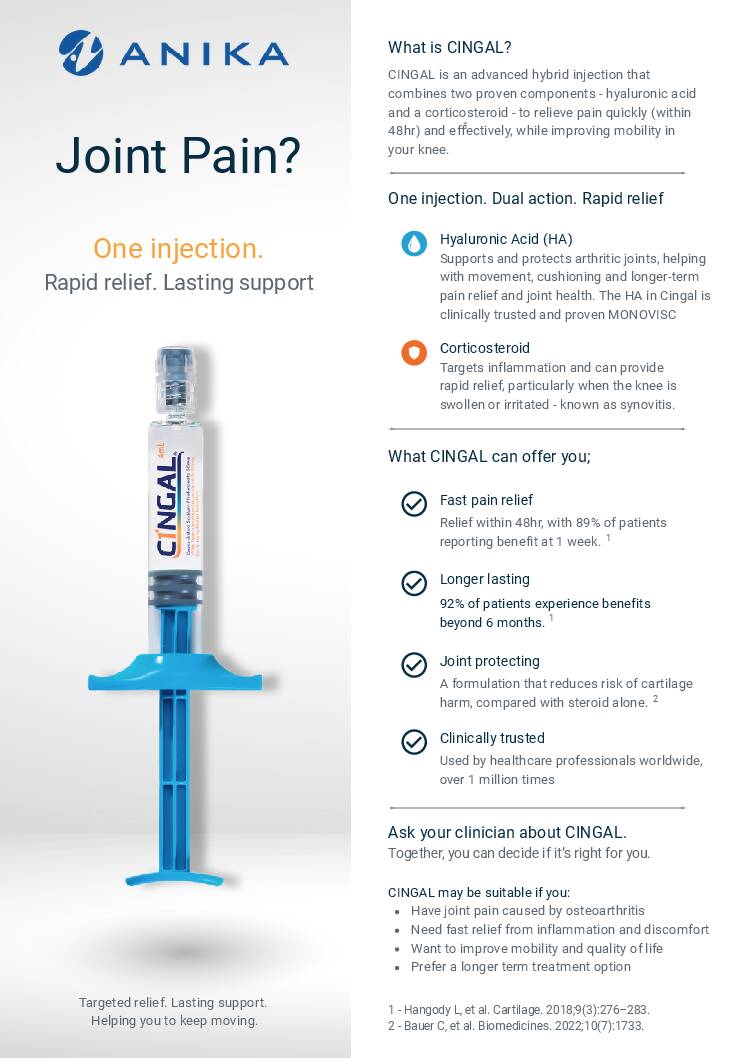
Cingal Overview Guide
Manufactured by world leader in joint care treatments, Anika. Learn more about breakthrough injection Cingal
Open the PDF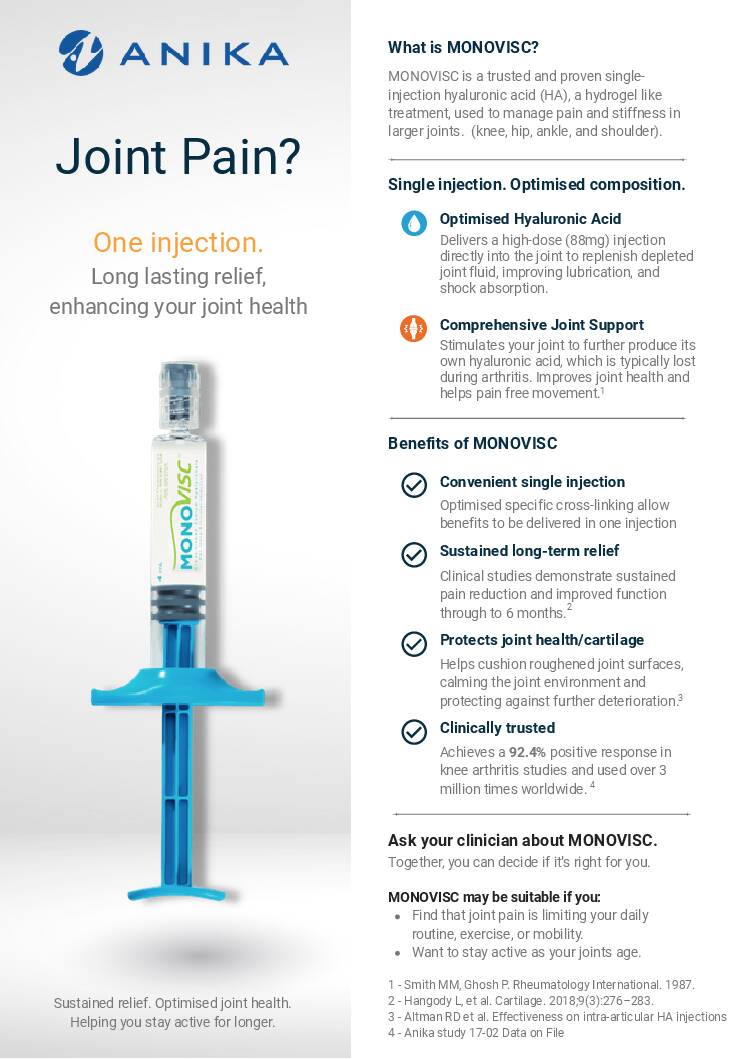
Monovisc Overview Guide
Manufactured by world leaders in joint care treatments, Anika. Monovisc has been trusted for joint pain treatment over 3 million times worldwide.
Open the PDF