





Runner’s Knee (Patellofemoral Pain)
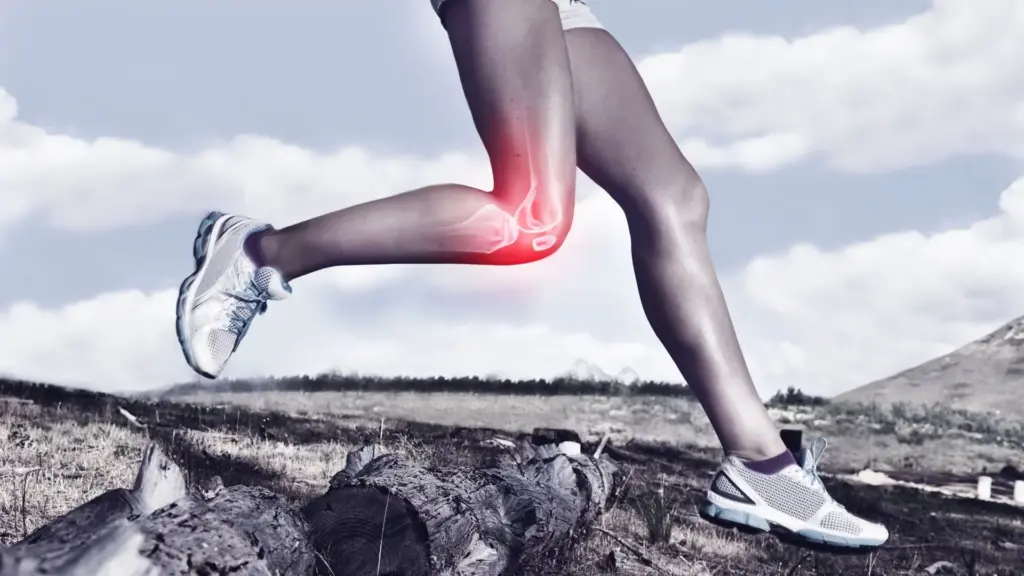
Pain around the front of the knee is one of the most common reasons active adults seek help. It’s often labelled runner’s knee, but the term is misleading. You don’t need to run to experience it.
People notice it when walking downhill, climbing stairs, squatting, kneeling, or getting up from a chair. For some, it creeps in gradually. For others, it flares after a change in activity. Either way, it can be frustrating – particularly when you feel otherwise fit and capable.
What’s actually happening in runner’s knee?
The kneecap (patella) sits within the quadriceps tendon and glides over the end of the thigh bone as the knee bends and straightens. In simple terms, it’s part of a system designed to transmit load efficiently through the front of the knee.
Patellofemoral pain develops when that system becomes overloaded or irritated. This might be due to changes in how the kneecap tracks, increased pressure through the joint, or surrounding tissues struggling to cope with demand. It isn’t usually caused by a single injury, and it rarely means something has “torn” or broken.
Instead, it’s best thought of as a load and mechanics problem — one that builds up over time.
Why does it start?
There’s rarely one clear cause. More often, several factors combine.
A sudden increase in training volume is common — returning to running, adding hills, or changing intensity too quickly. Weak or fatigued hip and thigh muscles can alter how load is controlled through the knee. Changes in movement patterns, footwear, or surface can also contribute, as can reduced shock absorption or early joint irritation.
In short, the knee is being asked to do more than it’s currently prepared for.
How is runner’s knee usually managed?
The good news is that patellofemoral pain is very manageable in most cases.
Treatment usually starts with adjusting load rather than stopping activity altogether. This might mean temporarily reducing aggravating movements, modifying training, or spacing sessions differently. Alongside this, targeted strengthening- particularly around the hips and thighs – helps improve control and reduce stress through the kneecap.
Physiotherapy often plays a central role here, helping people rebuild capacity gradually and return to the activities they enjoy without constantly worrying about pain.
Where does knee bracing fit in?
For some people, a patellofemoral knee brace can be a useful support. These braces are designed to help guide kneecap movement and reduce pain during activity.
They aren’t a cure, and they don’t replace rehabilitation. But during flare-ups, or when returning to sport or longer walks, bracing can provide enough support to keep people moving while strength and tolerance improve.
Used appropriately, it can be a practical tool rather than a crutch.
What if the pain doesn’t settle?
If symptoms persist despite sensible rehab, further assessment is sometimes needed. This helps clarify whether ongoing joint irritation or inflammation is contributing to pain, particularly if load remains difficult to tolerate.
Clinicians may discuss injection therapy as part of a broader management plan. This isn’t about bypassing rehab, but about helping settle symptoms so movement and strengthening become possible again.
For the right patient, combining mechanical support – such as bracing – with joint-directed treatments can help restore confidence and momentum with activity. Cingal in particular, with the combination of steroid with hyaluronic acid, can work very well as there tends ot be an inflammatory part to patellofemoral pain, and then a brace to help the return to activity is a great option for the active patient.
Staying active without pushing through pain
Runner’s knee is rarely a sign of serious damage. But repeatedly pushing through pain without adjusting load often prolongs symptoms rather than solving them.
A structured, informed approach – one that respects both activity and recovery – usually leads to better outcomes and a more reliable return to movement.
A sensible takeaway
Patellofemoral pain is common, frustrating, and usually very manageable. It rarely means you need to stop being active long-term.
Understanding what’s driving your symptoms – and using the right tools at the right time – is what makes the difference.
Related guides
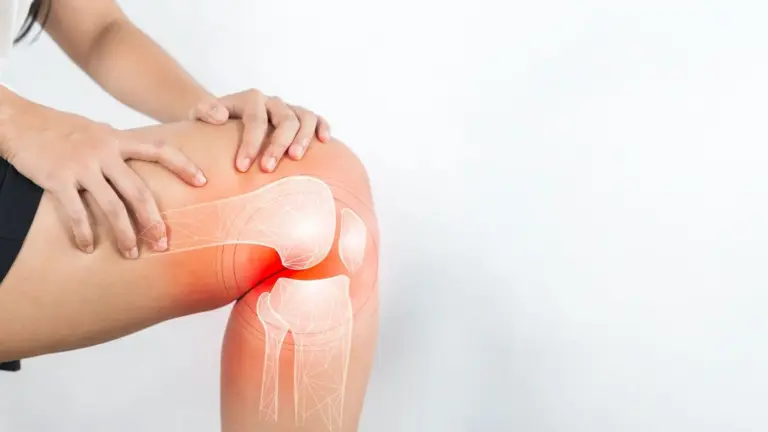
Knee Arthritis
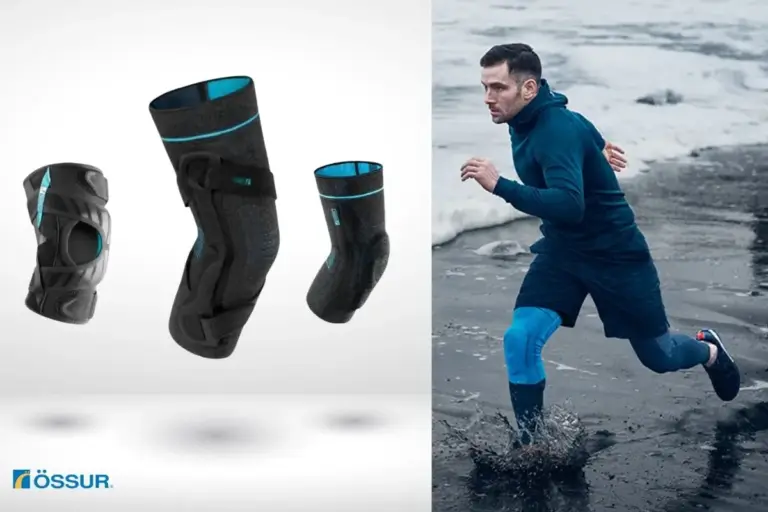
Compression support
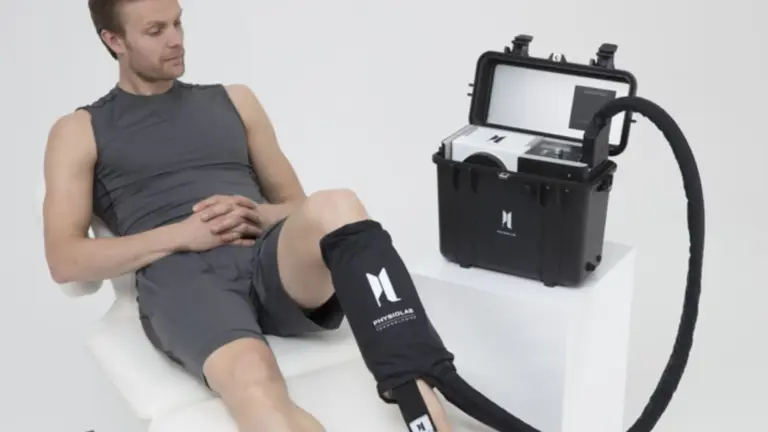
Cryo compression therapy
More on the knee
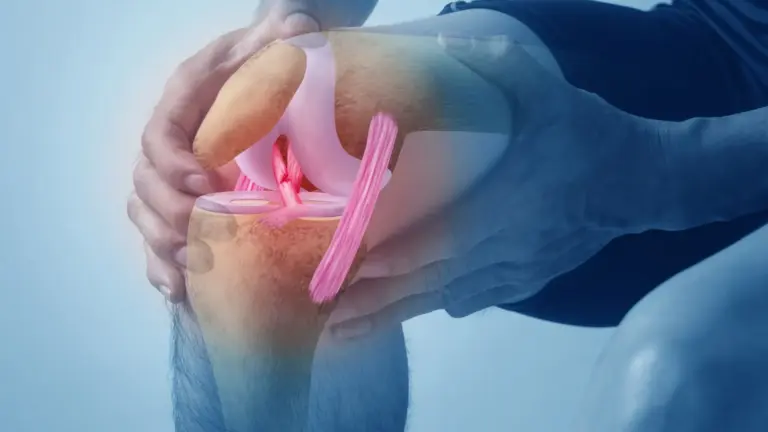

How To Prepare For Hiking When You Have Knee Pain, Arthritis Or Joint Stiffness
A practical guide to treatment options, support tools and everyday strategies