







Fingers, thumb and hand osteoarthritis
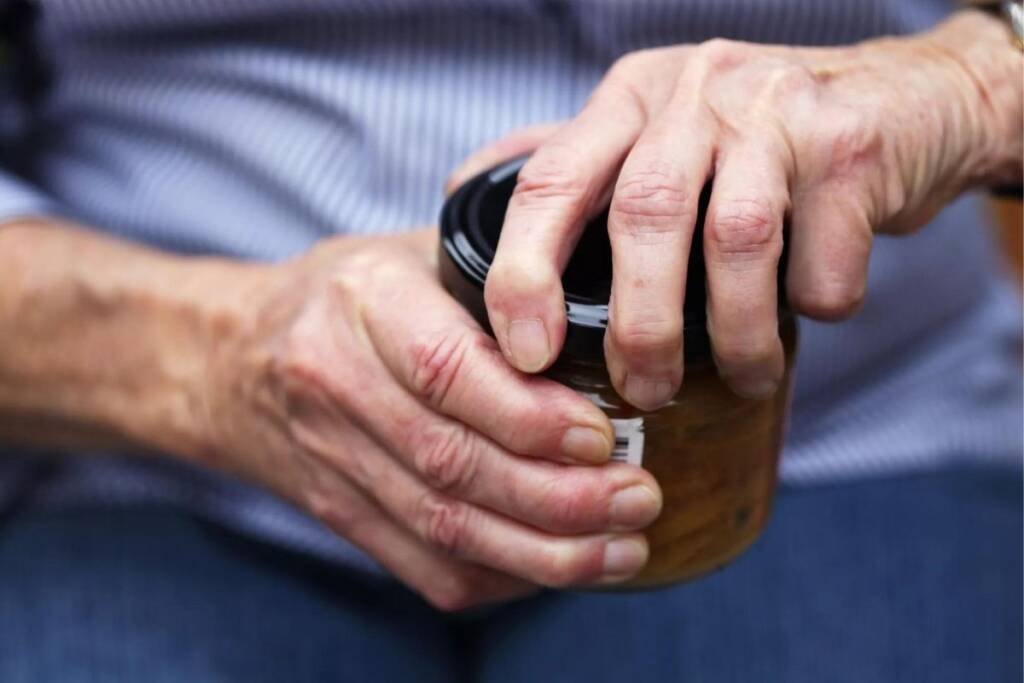
Small joints, but they do a lot of work
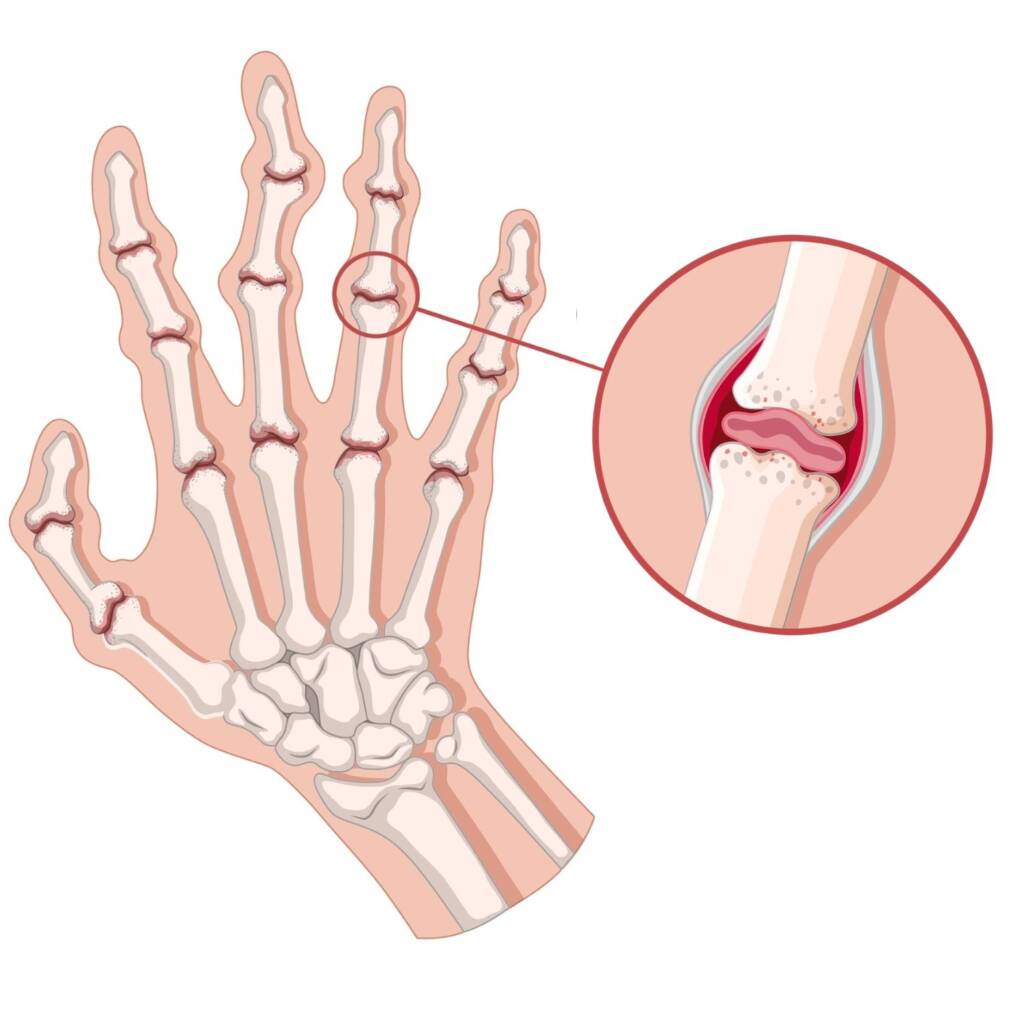
And they do not like being irritated. Osteoarthritis is a gradual change in the joint, where the smooth cartilage that helps movement becomes thinner and less effective.
In the hand, it most often affects the base of the thumb, which is also often the most painful site; the end joints of the fingers; and the middle joints of the fingers.
The thumb matters
The thumb is responsible for pinch and grip strength, which means it is involved in almost everything your hand does. When the base of the thumb becomes arthritic, grip weakens, pain increases with simple tasks, and people often start avoiding movement. That avoidance can make things worse over time.
Common symptoms
- Aching or sharp pain with use
- Stiffness, especially in the morning
- Swelling around the joint
- Reduced grip strength
- Bony lumps forming over time, often called nodes
Where it shows up
Why it develops
Who it affects
A typical pattern
What is happening: the stages of arthritis
Stages describe how a joint looks on an X-ray rather than how much it hurts. They are useful for understanding what a clinician means, but your symptoms matter more than the stage.
How hand and thumb arthritis is assessed
NICE recommends exercise as a core treatment for osteoarthritis, and says osteoarthritis can be diagnosed from a thorough history and an examination, with imaging reserved for cases where the picture is atypical. Getting assessed early makes the plan simpler.
History and examination
Grip and pinch
Imaging when it helps
Ruling other things out
What helps: movement, support and the right treatment at the right time
Management follows a simple principle: keep the joint moving, support it when it needs it, and manage pain in a way that allows you to use your hand. In practice that usually means combining a few approaches rather than relying on one.
Keep the hand moving
Support the thumb
Settle flares early
Injection therapy
Questions about hand and thumb arthritis
The questions people ask most often when hand pain starts getting in the way.
Is hand arthritis the same as rheumatoid arthritis?
No. Osteoarthritis is a gradual change in the joint surfaces and the structures around them. Rheumatoid arthritis is an inflammatory condition where the immune system attacks the joint lining. They are assessed and treated differently, which is one reason a proper assessment matters.
Will using my hands make it worse?
Movement is generally not harmful to an arthritic joint. Sudden increases in load can irritate it, but regular, consistent use maintains the strength and mobility the joint depends on. Avoiding movement tends to make things harder over time.
Do I need an X-ray?
Not usually. Osteoarthritis can be diagnosed from your history and an examination. Imaging is useful when the picture is atypical or another diagnosis needs ruling out. A clinician will usually look at the affected joints, how they move and how your grip is affected.
What does a thumb splint actually do?
It reduces the strain on the base of the thumb during grip and pinch, which are the movements that tend to provoke symptoms. It is worn to make activity comfortable, not to stop you using the hand.
How long do injections last?
It varies between people and joints. Hyaluronic acid injections in small joints are used to support the joint environment rather than to mask pain, so they are usually part of a plan alongside movement and support rather than a treatment on their own. A clinician can tell you what to expect in your case.
Will I end up needing surgery?
Most people do not. Surgery exists for hand and thumb arthritis, but it sits at the end of a long list of options. If it is raised early in your journey, it is reasonable to ask why and to seek another opinion.
What to do next
It is worth speaking to a clinician if pain is stopping normal daily tasks, grip strength is noticeably reduced, symptoms are persistent or worsening, or you are relying on pain relief regularly. Early guidance can make a real difference, and a GP, physiotherapist or hand therapist can help establish the cause and suggest a sensible next step.
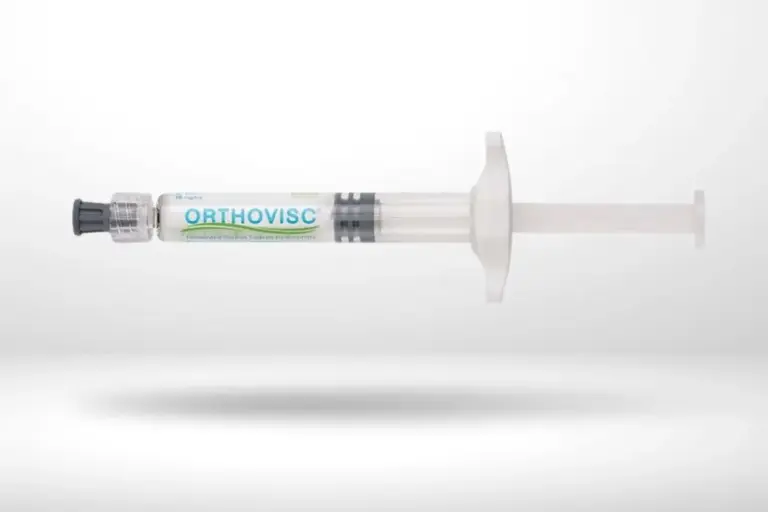
Orthovisc for joint pain

Compression support
Making informed choices about hand and thumb pain
Hand pain is not always straightforward, and similar symptoms can have different causes. The aim here is to give you enough to ask better questions, not to replace an assessment.
Keep it simple
Finger and thumb osteoarthritis is not something to ignore, but it does not need overcomplicating. Keep the joint moving, support it when needed, settle flare-ups early, and use injections when they move things forward.
Why a joined-up plan matters
No single measure does the whole job. Movement builds the strength the joint relies on, support reduces the strain that provokes symptoms, and treatment buys the comfort that makes both possible.
Supports that may help
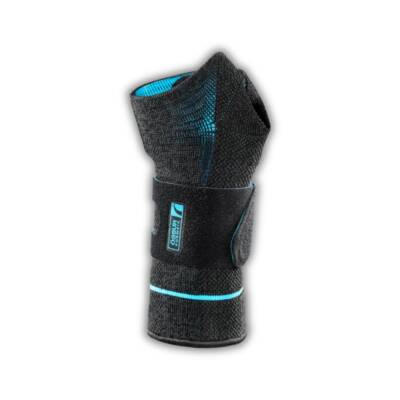
Össur Formfit® Pro Wrist Compression Sleeve
Related stories and articles
More on living with joint pain, and what other people have found helps.


Understanding a little more about Arthritis