







Understanding a little more about Arthritis

Arthritis is a common cause, but it’s not just one single condition. The two most common types are osteoarthritis and rheumatoid arthritis, and they behave very differently in the body. Knowing the difference can help you make sense of your symptoms and get the right treatment sooner.
This guide breaks down what each one is, how they compare, and what signs to keep an eye on.
What is Osteoarthritis?
Osteoarthritis, or OA, is the most common form of arthritis in the UK. It usually develops over time and is often linked to age, previous injuries or general wear of the joints.
It happens when the smooth cartilage in a joint starts to wear away. That cartilage acts as a cushion, and when it thins out, bones can rub together, causing pain and stiffness.
You might notice:
- Pain after activity or towards the end of the day
- Morning stiffness that eases fairly quickly
- Swelling or tenderness around the joint
- Clicking or crunching when moving
It tends to affect joints that do a lot of heavy lifting. Think knees, hips, spine, and sometimes fingers or toes.
What is Rheumatoid Arthritis?
Rheumatoid arthritis, or RA, is different. It’s an autoimmune condition, which means the body’s immune system starts attacking the lining of the joints by mistake.
This leads to inflammation, pain and, over time, possible joint damage. RA often starts earlier in life than OA and can come on more suddenly.
You might experience:
- Pain and swelling in multiple joints, often on both sides of the body
- Morning stiffness that lasts longer than half an hour
- Tiredness, flu-like symptoms or feeling generally unwell
- Flare-ups where symptoms get worse before settling again
RA needs early diagnosis and proper management to help protect the joints and reduce long-term problems.
Key Differences Between OA and RA
Osteoarthritis
Rheumatoid Arthritis
Cause
Wear and tear on joints
Immune system attacking joint lining
Typical age
Usually over 50
Can start in 30s or 40s
Speed of onset
Develops slowly over time
Can come on more quickly
Joint pattern
Often affects one joint more
Usually affects both sides equally
Other symptoms
Mainly joint pain and stiffness
Fatigue, inflammation, general unwellness
What Triggers a Flare-Up?
In both conditions, symptoms can come and go.
For osteoarthritis, a flare-up might be caused by:
- Doing too much
- Cold or damp weather
- Weight gain or poor joint alignment
With rheumatoid arthritis, triggers can include:
- Stress or illness
- Hormonal shifts
- Infections
Everyone’s experience is different, but recognising your own patterns can help you manage the condition better.
When Should You Get Checked?
If your joint pain is not settling, or you’re seeing swelling, warmth or changes in movement, it’s worth speaking to a healthcare professional.
They may suggest:
- An X-ray or scan to look at the joint
- Blood tests to check for inflammation or markers of RA
- Referral to a physiotherapist or rheumatologist
Getting the right diagnosis is the first step to getting on top of your symptoms.
How Joint Pain Freedom Can Help
At Joint Pain Freedom, we help people across the UK find the right support for their joint health. That might be with physiotherapy, supplements, bracing or clinician-led injection therapies like hyaluronic acid for osteoarthritis.
If you’re unsure what’s causing your joint pain or want help finding the right options in your area, feel free to reach out. We’ll connect you with someone who can help.
Related guides

Knee Arthritis

Hip Arthritis

Ankle Arthritis
More from the community
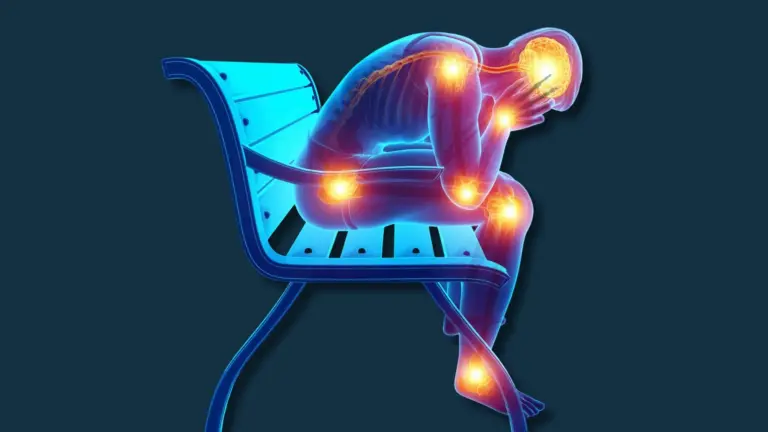


A thoughtful osteoarthritis pathway can often keep people active for far longer.