







Compression & Support

Expertly designed support. Made for everyday life.
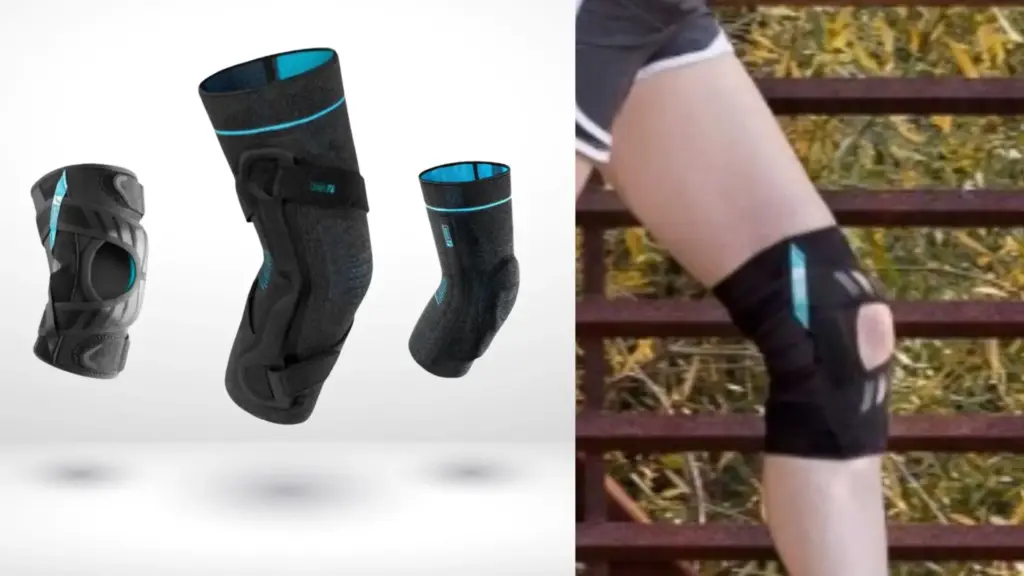
Choosing a joint support should feel reassuring. That starts with knowing who makes it, what it is designed to do and how it should fit.
We work with Össur, a leading specialist in orthopaedic bracing and supports, to bring its Formfit Pro range directly to you through Joint Pain Freedom.
- Specialist expertise. Support from an established healthcare manufacturer with a long history in helping people stay mobile.
- Designed around movement. Compression and a close, flexible fit to support you during everyday activity.
- Comfort matters. Breathable fabrics that help manage moisture, making support easier to wear.
- A clearer choice. Information on suitability and sizing to help you choose, with your clinician’s guidance where needed.
Professional expertise, with the convenience of ordering your support directly.
Finding the right level of support
Support runs from a simple sleeve to a hybrid structured compressive brace. For the full bracing option, you can learn more on the bracing page.
Compression sleeves
Hybrid braces
Structured braces for arthritis
Specialist braces / ligament stability
Where to start
Choosing the right Compression Sleeve
Compression sleeves with built-in specific support structures are available for many joints – Ankle, Hand, Elbow, etc. Here we bredilfy describe a Knee range of options.
Part of your plan to keep moving
The right support can play a useful part in your joint care, alongside exercise, treatment and advice tailored to you.
Alongside physiotherapy
Alongside injections treatments
With the right fit and advice
FAQs about sleeves and bracing
Can a brace help with joint pain or arthritis?
Often, yes. Compression sleeves help with swelling and joint awareness, and structured braces add stability when the joint feels less supported. The right level depends on the joint and the stage of the condition.
Should I speak to a clinician before using a brace?
Many people try simple compression sleeves themselves. Structured braces are best chosen with a physiotherapist, sports medicine clinician or orthopaedic specialist.
Can bracing be combined with physiotherapy?
Yes, and they often work well together. Physiotherapy builds strength and control; a brace supports you while those improve.
Can bracing be used alongside injection treatments?
Yes. Clinicians sometimes recommend bracing alongside injections such as hyaluronic acid, which work inside the joint while the brace improves stability from outside.
Can wearing a brace weaken the joint?
Used appropriately, no. Braces are worn during activity or when extra support helps, while strengthening work continues. The goal is not to rely on a brace permanently.
When might more specialised bracing be needed?
For ligament injuries, return-to-sport rehabilitation or demanding activities such as skiing. These braces may guide or limit movement and are usually chosen with a specialist clinician.
Compression explained
Supports that may help
You’ll find the full range within the Staying Active shop. Click one of the options or the ‘shop all supports’ link below.
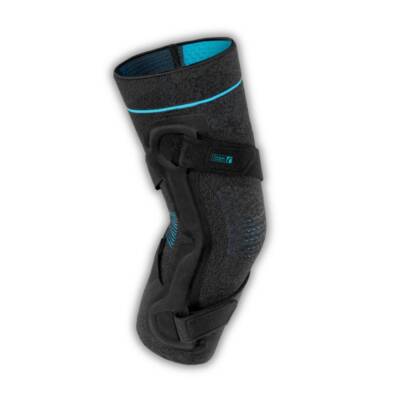
Ossur Formfit OA Knee
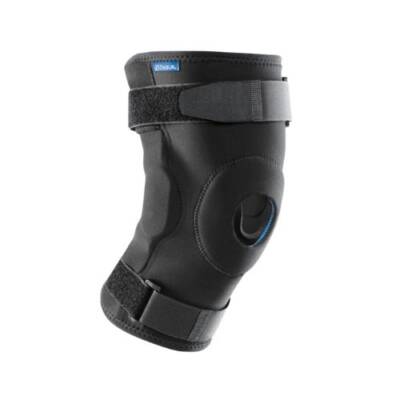
Össur Formfit Knee Hinged Brace
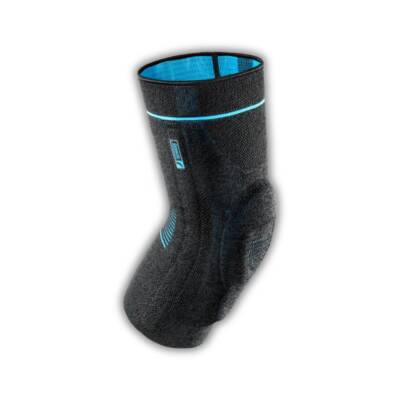
Össur Formfit® Pro Knee
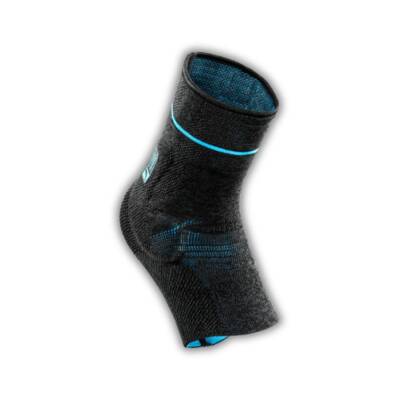
Össur Formfit® Pro Ankle
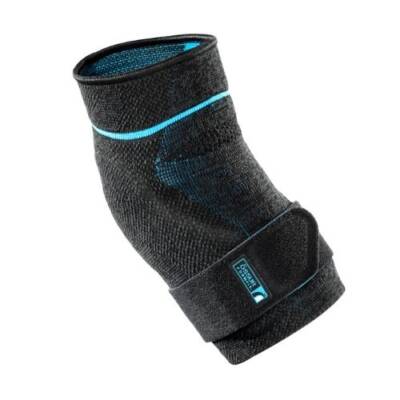
Össur Formfit Pro Elbow
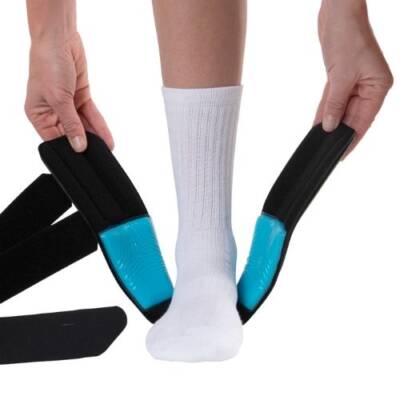
Össur Formfit Gel Ankle Stirrup
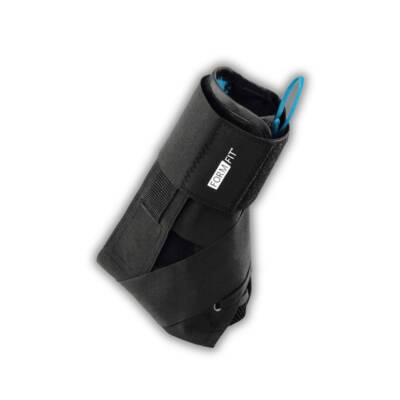
Össur Form Fit Ankle Speed Brace
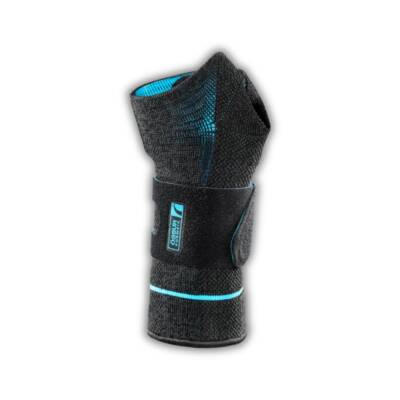
Össur Formfit® Pro Wrist Compression Sleeve
Related conditions and treatments

Knee Arthritis

Ankle Arthritis

Joint injections
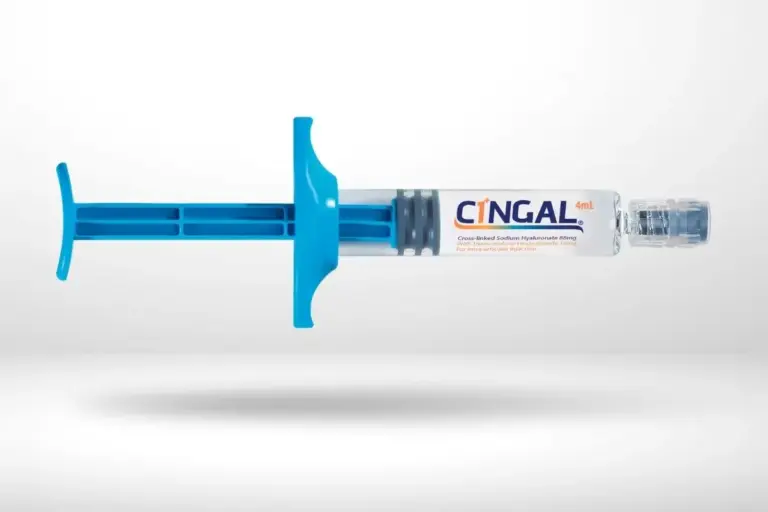
Cingal for joint pain
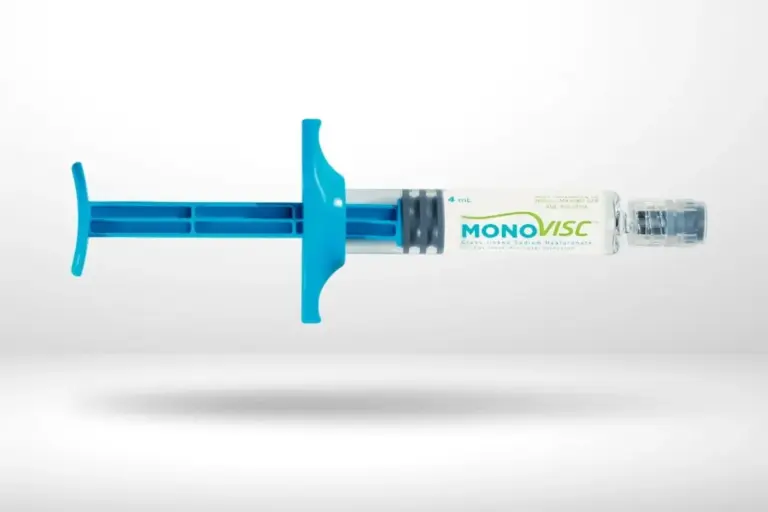
Monovisc for joint pain
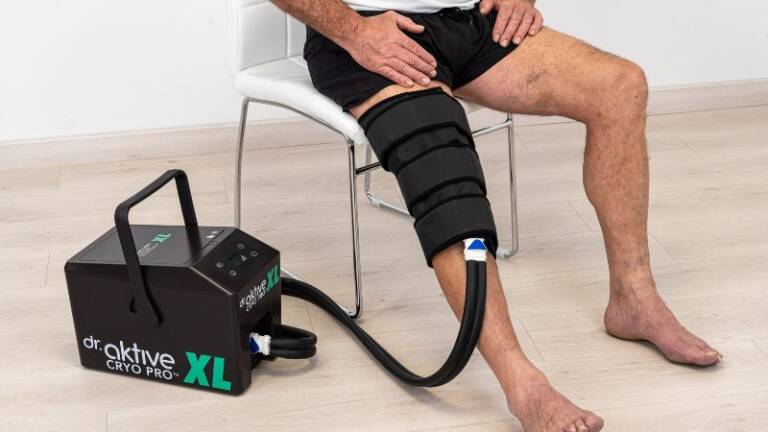
Cryo compression therapy
Stories and articles
What other people have found helps, and more on staying active with joint pain.



Hiking, be prepared!

The Osteoarthritis Treatment Journey

Understanding a little more about Arthritis