







Ankle pain

The ankle joint is essential for healthy movement

Does this sound like your ankle?
- Pain when walking, particularly on uneven ground, hills or stairs
- Stiffness after resting or first thing in the morning
- Swelling around the ankle joint
- Clicking, grinding or reduced confidence in the ankle
- Difficulty bending the ankle, pushing off or standing on tiptoes
These symptoms can be consistent with ankle osteoarthritis, but tendon, ligament and previous injury problems can feel similar. A clinician can assess your symptoms, movement and history, with an X-ray or scan used if needed.
Unlike arthritis in some other joints, ankle osteoarthritis is often connected to an earlier fracture, significant sprain or repeated injury. The ankle carries your body weight through a relatively small joint, so changes in the cartilage, joint lining, alignment or surrounding tissues can begin to affect movement and comfort.
The ankle
The ankle does more than move the foot up and down. The main ankle joint connects the shin bones to the talus, while nearby joints help the foot turn, balance and adapt to uneven ground.
Smooth cartilage allows these joints to move under load, while the surrounding ligaments, tendons and muscles provide stability. Pain felt around the ankle may come from the joint itself or from one of these surrounding structures.
Common symptoms
Activity pain
Morning stiffness
Swelling
Reduced movement
Uneven ground
Giving way
What’s happening: the stages of arthritis
Osteoarthritis is common and progressive, but many people manage it well, particularly when symptoms are understood early and the right treatments are considered. Stages describe how the joint looks on an X-ray; pain and damage do not always match, and your symptoms matter more than the stage.
How ankle arthritis is assessed
NICE recommends exercise as a core treatment for osteoarthritis. Getting an image or scan straight away is not always needed, and arthritis symptoms can sometimes overlap with other health issues, so it is always best to seek professional advice.
Symptom history
Physical examination
X-ray if needed
Further imaging
What helps: movement, support and the right treatment at the right time
Ankle pain can come from the joint itself or from the surrounding tendons and ligaments. Osteoarthritis is one possible cause, particularly when pain is accompanied by stiffness, swelling or difficulty walking on stairs, hills or uneven ground.
There is no single treatment that is right for every painful ankle. The best approach depends on what is causing the pain, whether there has been a previous injury and how much the problem is affecting your movement and everyday life.
Movement and strengthening
Footwear and weight
Physiotherapy is key
Treatments and choices
FAQs about ankle issues and pain
These are some of the questions clinicians hear most often about ankle pain. We hope the answers below help you make sense of your ankle problem.
What can cause ankle pain without an obvious injury?
Ankle pain can gradually develop through changes in activity, repetitive loading, unsuitable footwear or problems affecting the tendons and ligaments.
Osteoarthritis, inflammatory arthritis and gout can also cause ankle pain. Persistent or worsening pain should be assessed rather than self-diagnosed.
How can I tell if my ankle pain is a sprain or arthritis?
An ankle sprain usually follows a twist or sudden movement and may cause immediate pain, swelling and bruising. Ankle arthritis more often causes recurring pain, stiffness after rest, reduced movement and difficulty walking on hills or uneven ground. Symptoms can overlap, so an assessment may be needed.
What is the difference between ankle arthritis and ankle osteoarthritis?
Arthritis is a general term for conditions affecting a joint. Osteoarthritis is one type of arthritis and involves changes to the cartilage, bone and other tissues within the joint. Ankle pain can also be caused by inflammatory forms of arthritis, including rheumatoid arthritis or gout.
What are the early symptoms of ankle osteoarthritis?
Early symptoms can include pain during or after activity, stiffness after sitting or first thing in the morning, swelling and reduced ankle movement. Walking on uneven ground, hills or stairs may become more difficult, and the ankle may occasionally grind, lock or feel less reliable.
Can an old ankle sprain or fracture cause arthritis?
Yes. Ankle osteoarthritis commonly develops after an earlier injury, sometimes many years after a fracture, significant sprain or repeated ankle instability. Previous injury can affect the cartilage, alignment or stability of the joint and gradually change how load passes through it.
How long does a sprained ankle take to heal?
A mild ankle sprain should begin to improve within several days, but more significant ligament injuries can take weeks or sometimes months to fully recover. Seek advice if you cannot put weight through the ankle, if the pain is worsening or if it has not started improving after around two weeks.
Why does my ankle keep swelling?
Recurring swelling can be caused by ongoing irritation within the joint, ankle arthritis, tendon problems or incomplete recovery from an earlier injury. Swelling that is sudden, hot, red or accompanied by fever or feeling unwell needs prompt medical attention.
Why does my ankle keep giving way?
An ankle may continue to give way if its ligaments have not fully recovered after a sprain or if strength, balance and joint-position awareness have been affected. Physiotherapy, stability exercises and an appropriate ankle brace can often help. Repeated instability should be properly assessed.
Should I keep walking and exercising with ankle pain?
Complete rest is rarely the best long-term answer, but activity may need to be adjusted. Gentle movement and appropriate strengthening can help maintain mobility and support. Reduce activities that cause a significant increase in pain or swelling and seek advice before exercising after a serious injury.
When should ankle pain be assessed?
Arrange an assessment if ankle pain is stopping normal activities, keeps returning, is getting worse or has not improved with simple measures. Seek urgent help following a serious injury if the ankle looks deformed, you cannot put weight through it, you experience numbness or it becomes hot, red and very swollen.
Do I need an X-ray, ultrasound or MRI for ankle pain?
Not everyone with ankle pain needs a scan. Standing X-rays can be useful when ankle arthritis, previous fracture or an alignment problem is suspected. Ultrasound can assess tendons, ligaments and swelling, while MRI or CT may be used when the cause remains unclear or detailed treatment planning is required.
Can physiotherapy and footwear help ankle pain?
A physiotherapist can assess ankle movement, strength, balance, stability and walking pattern before developing an appropriate rehabilitation plan. Supportive footwear, insoles or changes to training and daily activity may also reduce irritation and improve confidence when walking.
Do ankle braces and supports help arthritis or instability?
An ankle brace may provide stability, limit painful movement and improve confidence during everyday activity. Different braces offer different levels of compression, support and movement control, so the right choice depends on whether the main problem is swelling, instability, arthritis or recovery from injury.
Can injections help ankle arthritis?
Joint injections may be considered when ankle arthritis continues to cause pain despite exercise, footwear changes, bracing and other treatments. Options can include corticosteroid, hyaluronic acid or PRP injections. Their suitability and likely benefit vary, so the painful joint should be accurately identified and the options discussed with an appropriately qualified clinician.
Can ankle arthritis be cured, and will I need surgery?
Ankle osteoarthritis cannot currently be cured, but symptoms can often be managed without surgery through exercise, footwear, braces, medication and other treatments. Surgery is generally considered when pain is severely affecting everyday life and non-surgical options have not provided enough relief. The main surgical options for advanced ankle arthritis are ankle fusion and ankle replacement.
What to do next
If ankle pain is continuing to affect your movement, activity or everyday life, you may want to understand the additional treatment options available. Some people are looking for greater support during daily activity, while others want to explore treatments for persistent arthritis pain.
Many physiotherapists and clinicians use such options to help progress your movement and rehabilitation.
We only work with leading technologies and manufacturers, who are trusted nationally within the NHS and private clinics and endorsed by clinical specialists.

Compression support

Cingal for joint pain

Monovisc for joint pain
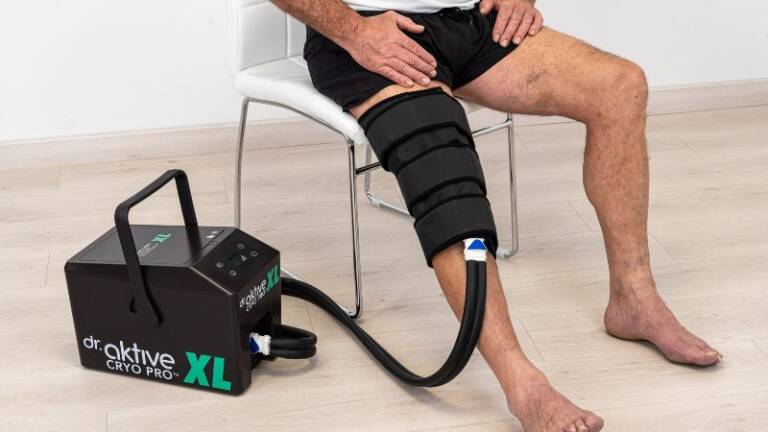
Cryo compression therapy
Making informed choices about ankle pain
Ankle pain is not always straightforward. Similar symptoms can come from the main ankle joint, the joints beneath it, surrounding tendons and ligaments or an earlier injury. A qualified healthcare professional can consider where the pain is felt, how the ankle moves, its stability and what you want to return to doing, rather than focusing on one scan result or one treatment alone.
Your own research matters too. Clear, reliable information can help you understand the choices available, ask better questions and play an active part in decisions about your care.
Why a joined-up plan matters
The ankle, foot and lower leg all work together. Strength, balance, calf mobility, footwear, alignment and walking pattern can each influence ankle pain. A good assessment looks beyond the painful area and helps identify which factors may be most important for you.
Where Joint Pain Freedom can help
Joint Pain Freedom works directly with a large number of experienced clinicians and specialist clinics. Whether you are ready for an assessment or simply want help making sense of the options, we can help you locate your nearest Joint Pain Freedom Centre of Excellence or offer sensible, clinically focused guidance.
Your own research may include reading about physiotherapy, braces and injection pathways, but the key is to seek specialist advice and not allow the joint to deteriorate further.
Resources used:
Supports that may help
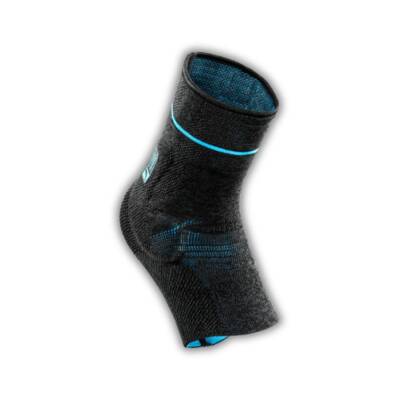
Össur Formfit® Pro Ankle
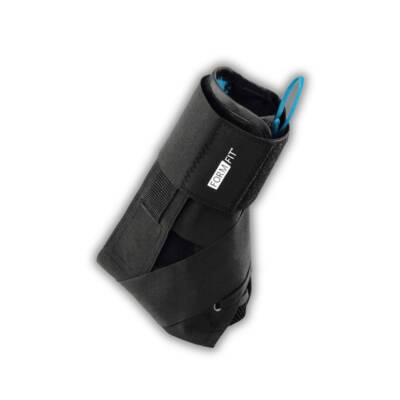
Össur Form Fit Ankle Speed Brace
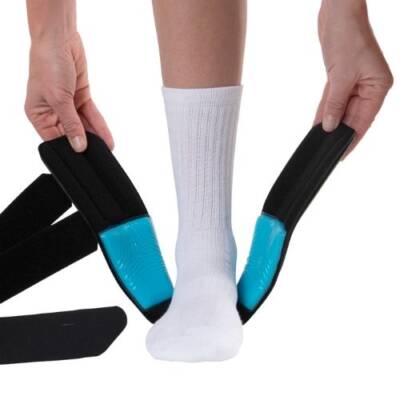
Össur Formfit Gel Ankle Stirrup
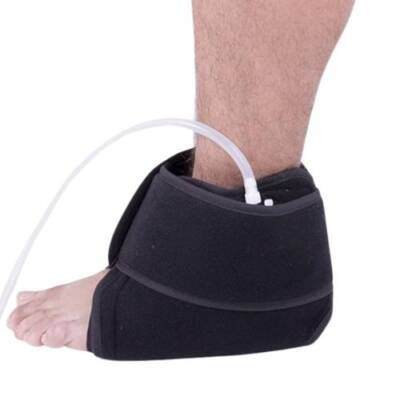
Ankle Cold Compress
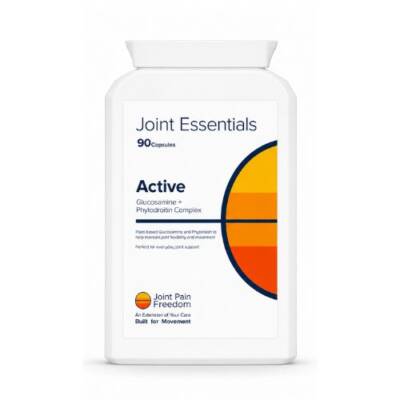
Active - Joint Essentials

Integrity - Joint Essentials
Related stories and articles

Hiking, be prepared!

Staying active with joint pain

Understanding a little more about Arthritis


Useful downloads
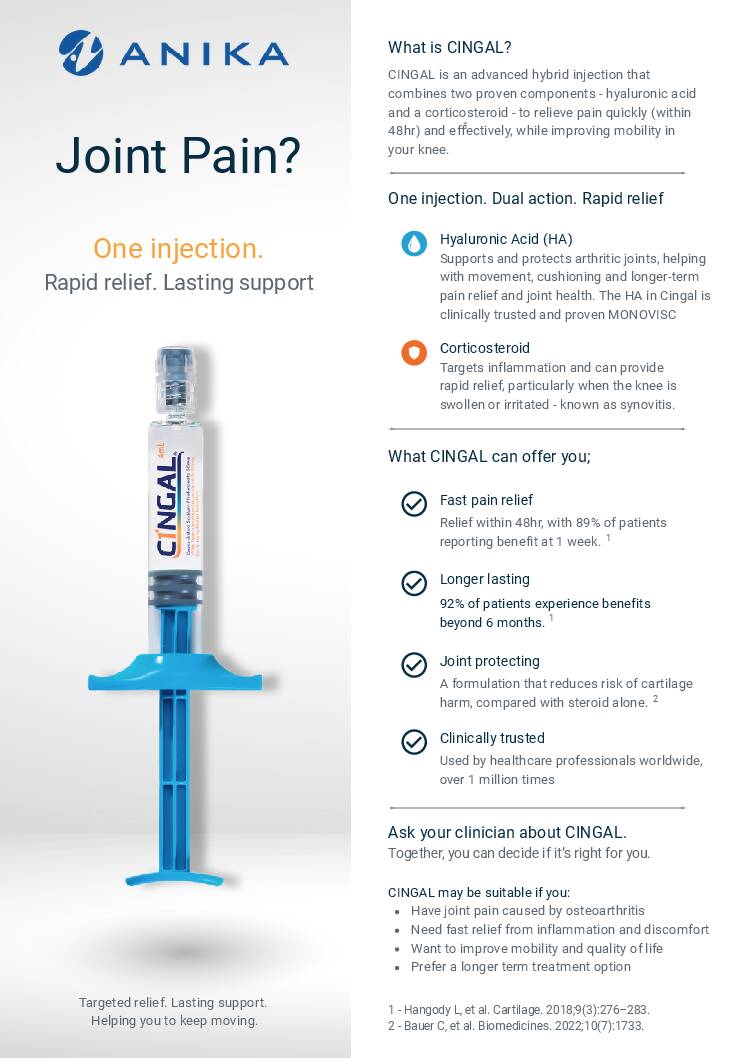
Cingal Overview Guide
Manufactured by world leader in joint care treatments, Anika. Learn more about breakthrough injection Cingal
Open the PDF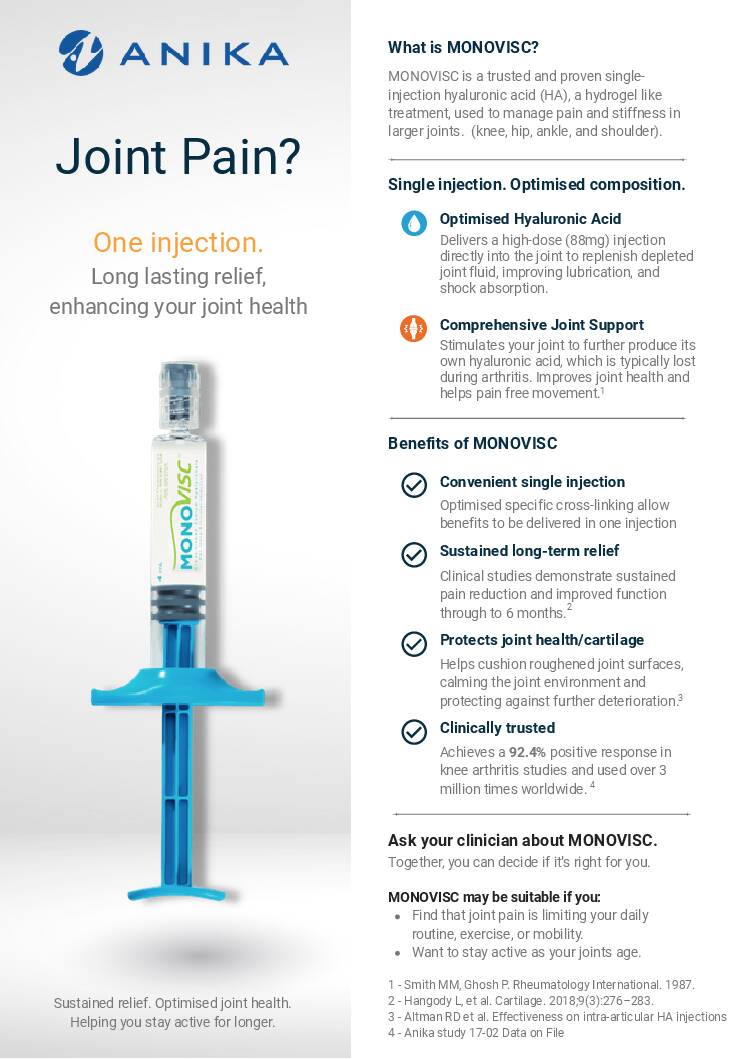
Monovisc Overview Guide
Manufactured by world leaders in joint care treatments, Anika. Monovisc has been trusted for joint pain treatment over 3 million times worldwide.
Open the PDF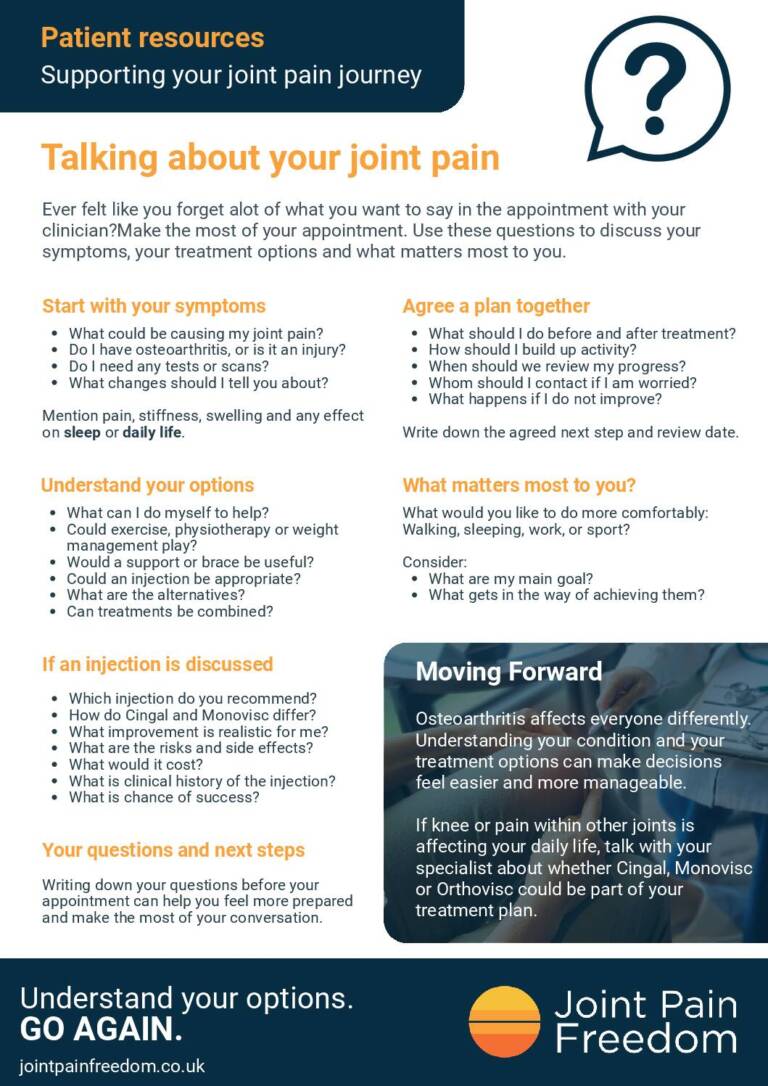
Talking about your joint pain
Questions to take to your appointment, covering your symptoms, your treatment options and what matters most to you.
Open the PDF