







Joint pain – why and how?
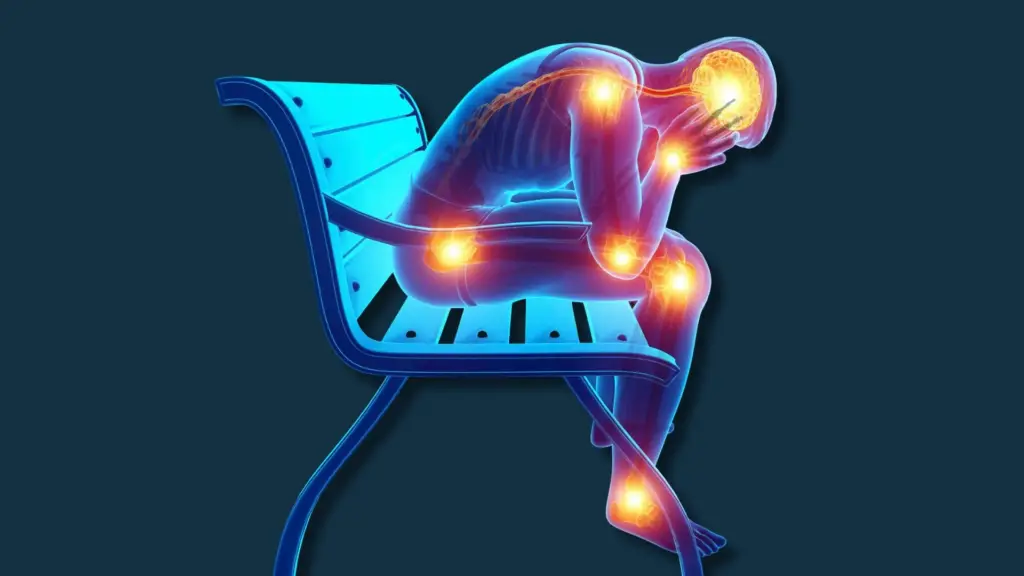
Maybe it’s your knee reminding you every time you stand up.
Your hip tightening after a walk that used to feel easy.
Or a shoulder that makes you think twice before reaching overhead.
Joint pain has a way of shrinking life quietly. You adapt without meaning to. You stop doing certain things. You tell yourself it’s just “one of those things” or “part of getting older”.
It doesn’t have to be.
This guide is here to explain joint pain, what’s going on inside the joint, why pain appears when it does, and what genuinely helps you move more freely again.
Why joint pain starts in the first place
Most joint pain doesn’t arrive overnight. It builds gradually.
Inside every healthy joint is a delicate balance. Smooth cartilage allows bones to glide. Synovial fluid lubricates and nourishes the joint. Muscles and ligaments provide support and control.
Over time, that balance can be disrupted.
This might be due to gradual changes within the joint itself, where cartilage, joint fluid, and supporting tissues are no longer working together as smoothly as they once did. Maybe previous injury or repetitive of loading with poor joint alignment, reduced strength, or changes in joint lubrication. In many people, this process leads to osteoarthritis — a condition where the joint becomes less efficient, more sensitive, and prone to stiffness and pain.
Pain often shows up:
-
When you first start moving after rest
-
During or after the activity
-
At the end of the day
-
Or sometimes at night, when inflammation settles in
The key thing to understand is this:
Joint pain is rarely just about “damage” – it’s about how well the joint environment is functioning.
Is it arthritis or something else?
This is one of the most common questions people search for, and understandably so.
Early joint pain can feel confusing. Arthritis doesn’t always mean severe damage or the need for surgery. In fact, many people have early or moderate osteoarthritis that responds extremely well to the right combination of treatments.
Typical signs that joint pain may be arthritis-related include:
-
Gradual onset rather than sudden injury
-
Stiffness that eases with gentle movement
-
Pain that flares after activity rather than during it
-
Reduced confidence or trust in the joint
That said, joint pain can also come from tendons, ligaments, muscle imbalance, or old injuries. This is why assessment matters; guessing rarely helps.
What actually helps joint pain?
This is where the internet often gets noisy. Everyone promises a quick fix! Avoid these.
In reality, the most effective approach to joint pain is a layered, personalised and lifestyle-centred approach.
Movement is almost always part of the solution. Not pushing through pain, but restoring strength, control, and confidence around the joint. Well-guided physiotherapy and exercise remain cornerstones of long-term joint health.
Pain relief strategies can also help break the cycle. This might include activity modification, targeted exercises, bracing for support, or short-term symptom control.
For many people, injection therapies form part of a modern, non-surgical approach, particularly when pain and inflammation are limiting progress with rehabilitation. These treatments aim to improve the joint environment itself, not just mask symptoms – its about improving the joint health environment.
The goal isn’t to “fix” a joint overnight.
It’s to restore freedom of movement and trust in your body again.
Why joint pain feels so personal
Joint pain doesn’t just affect movement. It affects mood, confidence, sleep, and identity, especially if you’re someone who values being active.
People often tell us:
-
“I feel older than I should.”
-
“I don’t feel like myself anymore.”
-
“I plan my day around my joint.”
That emotional side matters. Addressing joint pain properly isn’t about chasing perfection. It’s about helping you do the things that matter to you, with less hesitation and less fear.
When should you seek help?
If joint pain is:
-
Persisting beyond a few weeks
-
Limiting your activity
-
Recurring despite rest
-
Or changing the way you move
…then it’s worth getting proper guidance.
Early, informed action often prevents joint pain from becoming a long-term problem. Waiting it out rarely improves outcomes.
A more modern way to think about joint pain
Joint pain deserves better than extremes, not “just live with it”, and not rushed surgery either.
There’s a growing middle ground focused on:
-
Education
-
Movement
-
Joint-preserving treatments
-
Personalised care
The aim is simple: help you move better, for longer, with confidence.
If you’re at the start of your joint pain journey — or somewhere in the middle — you’re not alone. And there are more options available now than ever before.
Take the next step
Understanding joint pain is the first step toward changing it. Whether your pain is mild, moderate, or starting to hold you back, informed decisions make all the difference. We can help you locate a clinic, just contact us, and we’ll find a trusted practitioner for you.
Related guides
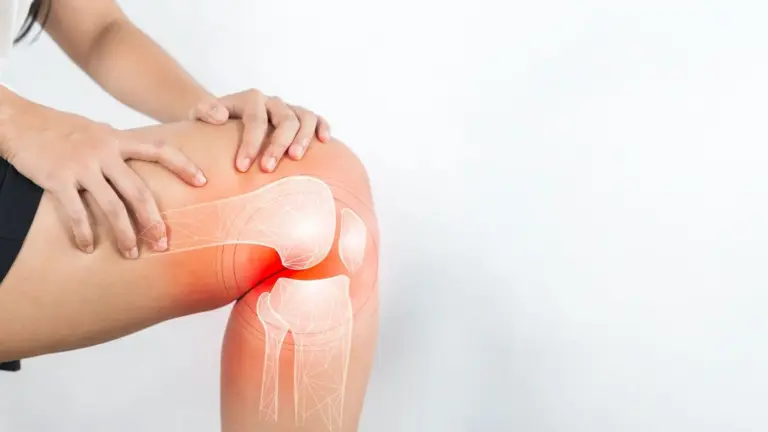
Knee Arthritis
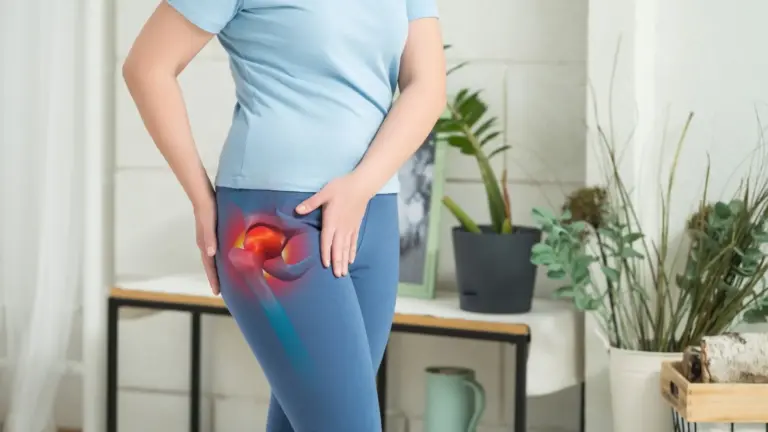
Hip Arthritis
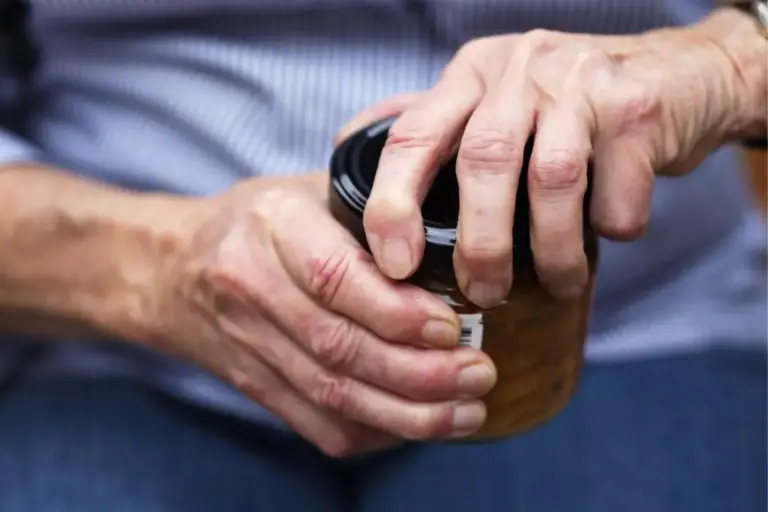
More from the community
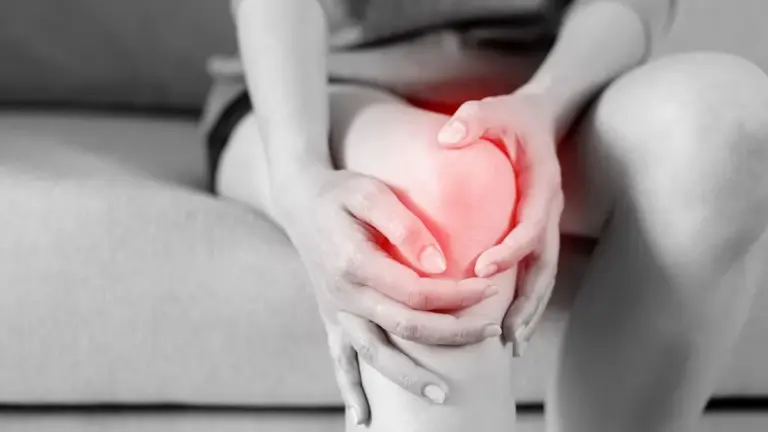
If you’re living with joint pain, one of the first steps is figuring out what’s behind it.

What joint injections can learn from the rise of GLP-1 treatments