






Joint injections and parallel imports: why you should ask where your treatment came from
Before a joint injection, you will probably ask what it does, how long it might last and what to expect afterwards.
There is also another question we encourage every patient to ask:
“Where was the injection product purchased from?”
Whichever brand your clinic uses, knowing where it came from is a sensible part of understanding your treatment.
What is parallel trade?
Parallel trade, sometimes called parallel importing, involves products being purchased in one country and supplied into another outside the manufacturer’s appointed local distribution network.
The product may have a familiar brand name, but it may originally have been intended for a different market.
That does not automatically mean it is counterfeit, unsafe or unlawfully supplied. However, the name on the box does not tell you the full story of how that particular pack reached your clinic.
This is relevant whichever brand you receive
Questions about sourcing are relevant across healthcare. They are not specific to Cingal®, Monovisc® or Orthovisc®.
Different manufacturers have different distribution arrangements and ways of identifying their products. These agreements are there for a reason, so the manufacturer can 100% track the product journey and account for correct handling throughout. Whatever injection you are offered, your clinic should be able to explain who supplied it and how its source has been checked.
We cannot speak for other companies or the measures they take to manage parallel trade. We can explain why we take it seriously, what we do within our own supply route and what we encourage patients to ask.
Why does the supply route matter?
An injection’s journey starts long before your appointment.
A clear supply history helps your clinic establish where it came from, check how it was stored and transported, and know who to contact if a concern arises.
Medical devices supplied in Great Britain must meet applicable regulatory requirements, including conformity marking and registration. MHRA guidance also identifies obligations around storage, transportation and checking device labels. Northern Ireland has a different regulatory framework.
You should not need to become an expert in these rules. You should be able to ask your clinic a straightforward question and receive a clear answer.
Why we back Cingal, Monovisc and Orthovisc
At Joint Pain Freedom, our confidence in these products comes from their established international use, clinical evidence and the experience behind their development.
They are manufactured by Anika, a company with decades of experience in hyaluronic acid technology. Monovisc and Orthovisc are supplied internationally, including in the United States, while Anika reports that Cingal is available in more than 45 countries outside the US.
These products have a clinical research history. For example, a published randomised trial involving 368 patients evaluated Cingal against Monovisc and saline for knee osteoarthritis.
We believe in the products. We also believe that confidence in a product should be matched by confidence in how it reaches the patient.
Choosing an established brand is one part of that. Verifying the supply route is another.
Why the Eos sticker matters
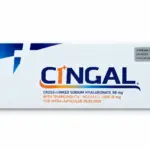
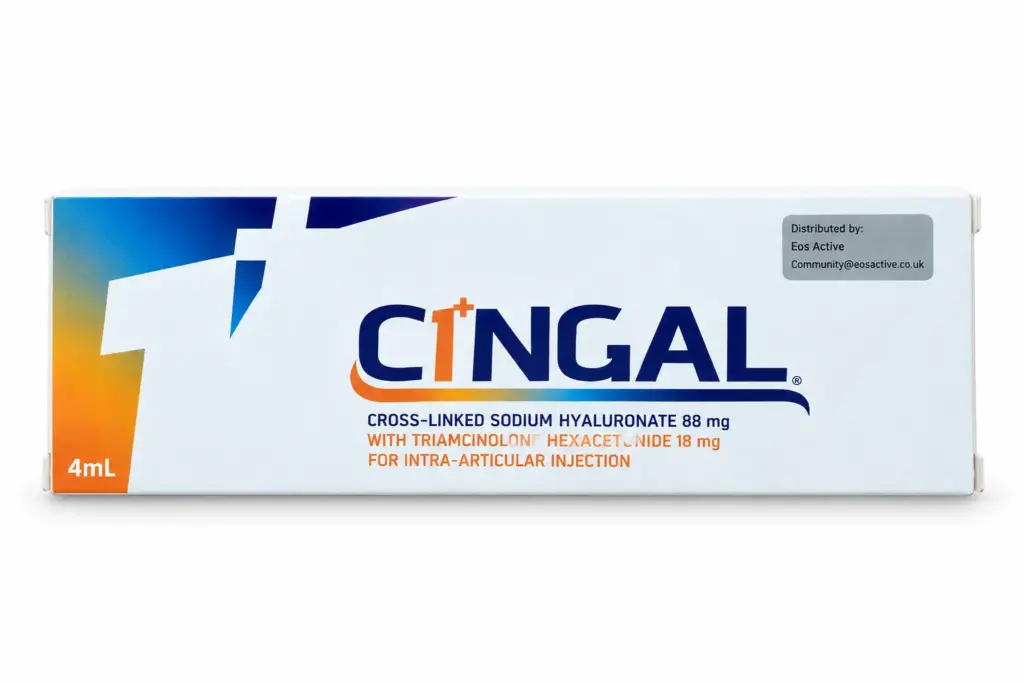
Eos Active is Anika’s exclusive appointed partner for Cingal, Monovisc and Orthovisc in England, Scotland and Wales. It’s the shinney silver sticker on the top corner of the outer box.
The Eos Active sticker is an important part of our supply-verification and quality-control process. It gives clinics and patients a visible identifying feature to look for when checking products supplied through our route. The sticker is not applied in the UK by Eos Active, but only at the point of shipment from the Anika headquarters, once they have agreed to the release of the product to the authorised source.
If you are receiving Cingal, Monovisc or Orthovisc, ask to see the packaging and look for the Eos sticker.
If it is missing, ask:
“Where was this purchased, and can you verify its source before my treatment?”
A missing sticker does not, by itself, establish that a product is unsafe or unlawfully supplied. It is a reason to check, rather than assume. A sticker also works alongside supplier records, batch details and packaging checks; it does not replace them.
If the clinic cannot explain the source, ask for that uncertainty to be resolved before proceeding.
Important: They may be able to tell which UK retailer sold it to them. But that UK retailer, if not Eos Active, has obtained the product outside of the agreement and rules set by the manufacturer. The clinic would not be able to say the exact journey and storage during the journey the product has had. With Eos licenced UK supply, every step of the way is fully accountable.
How this fits within the Joint Pain Freedom network
Clinics within the Joint Pain Freedom network understand the importance we place on verified supply and the role of the Eos Active sticker in that process.
Our work with clinics goes beyond explaining what an injection does. It includes making the source of the product part of the conversation.
We take this extremely seriously. Patients should feel comfortable asking questions, and clinics should be ready to answer them.
Five questions to ask before your injection of any kind:
- What is the exact name of the product I am receiving?
- Which company did the clinic purchase it from?
- Did it come through the manufacturer’s appointed supply route?
- Can I see the packaging, expiry date and batch number?
- Will the product and batch details be recorded in my treatment notes?
- For Cingal, Monovisc and Orthovisc, add: “Does the pack have the Eos sticker?”
- For another brand, ask what supply checks and identifying features apply to that product.
Already had an injection and have a question?
A missing sticker does not mean something has gone wrong. If you are concerned about the source of your treatment, ask your clinic for the product name, batch number and supplier details.
For Cingal, Monovisc or Orthovisc, Eos Active can help investigate whether the product came through its supply route.
It is your treatment. Knowing what is being injected and where it came from is a reasonable thing to ask.
Joint Pain Freedom is managed by Eos Active, which supplies Cingal, Monovisc and Orthovisc commercially.
Related guides
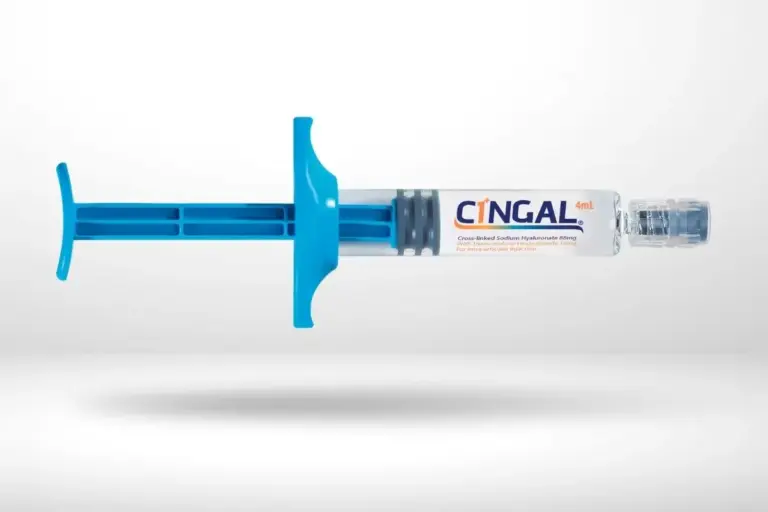
Cingal for joint pain
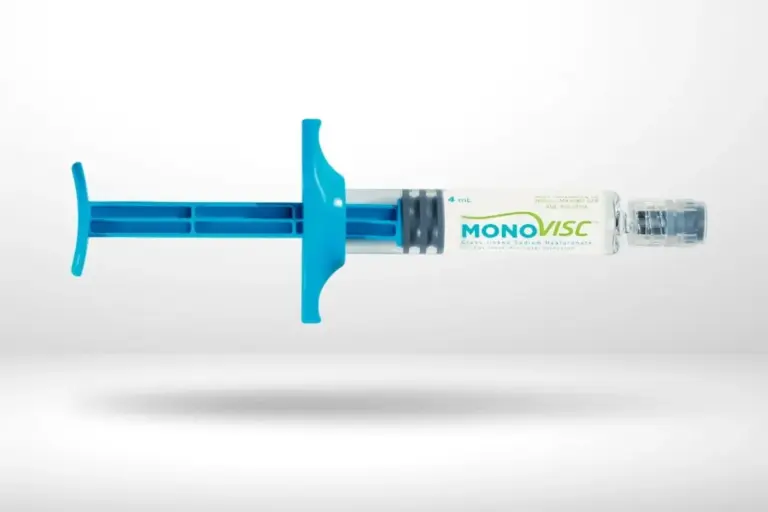
Monovisc for joint pain
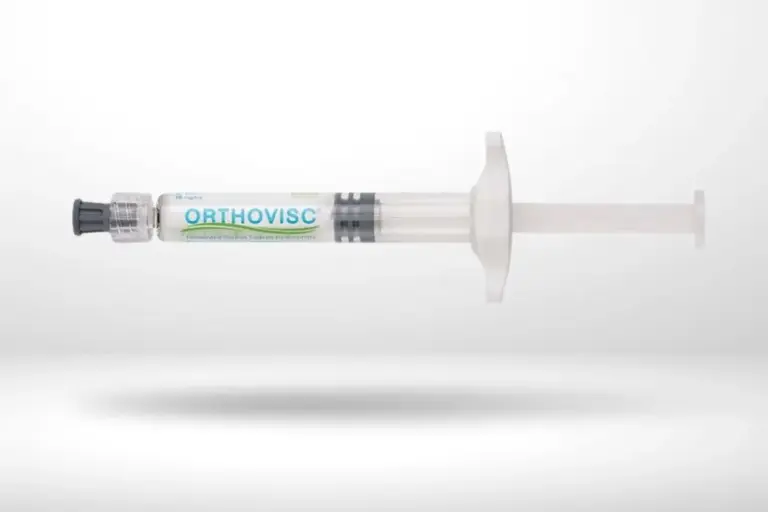
Orthovisc for joint pain

Hyaluronic acid
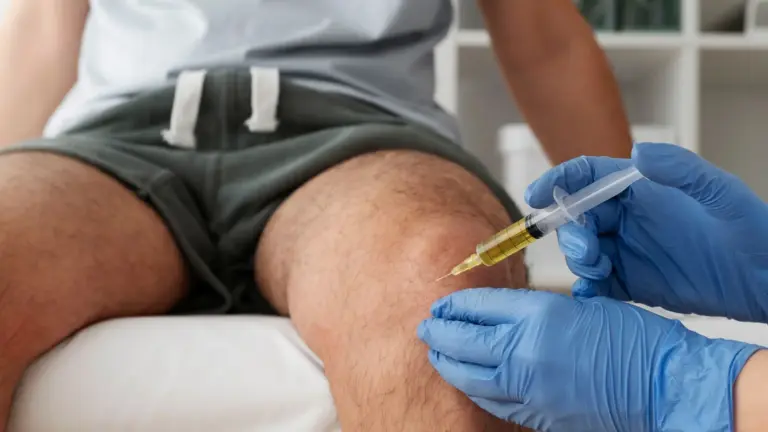
Joint injections

Compression support
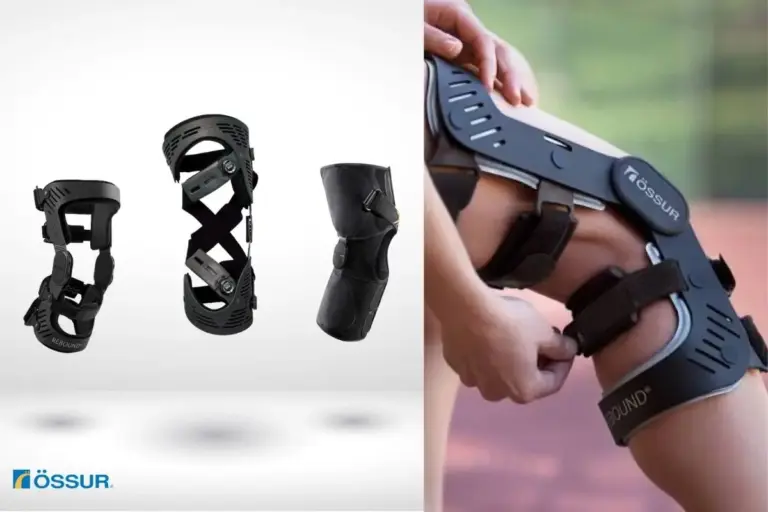
Bracing
More from the community

When knee pain keeps interrupting the things you enjoy, it is natural to wonder what else might help.


Cingal offers a powerful anti-inflammatory, lasting long by protecting the joint

Steroid vs. Hyaluronic Acid and Why Cingal is a Game-Changer for Dr Mehrdad Bordbar


A thoughtful osteoarthritis pathway can often keep people active for far longer.
Useful downloads
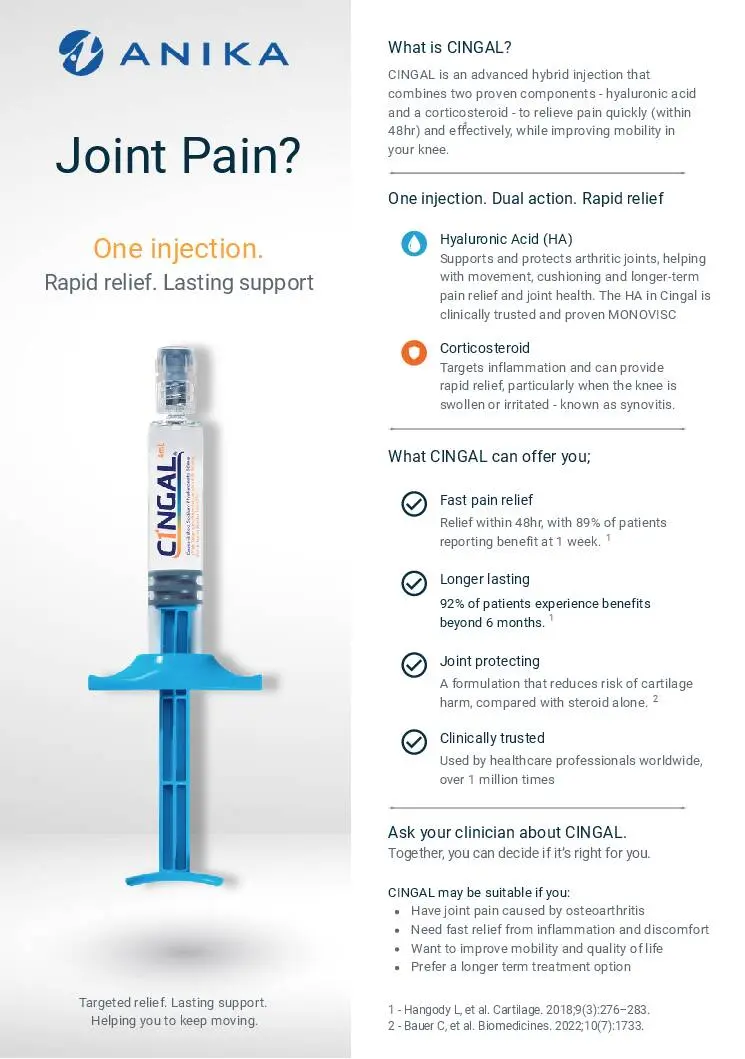
Cingal Overview Guide
Manufactured by world leader in joint care treatments, Anika. Learn more about breakthrough injection Cingal
Open the PDF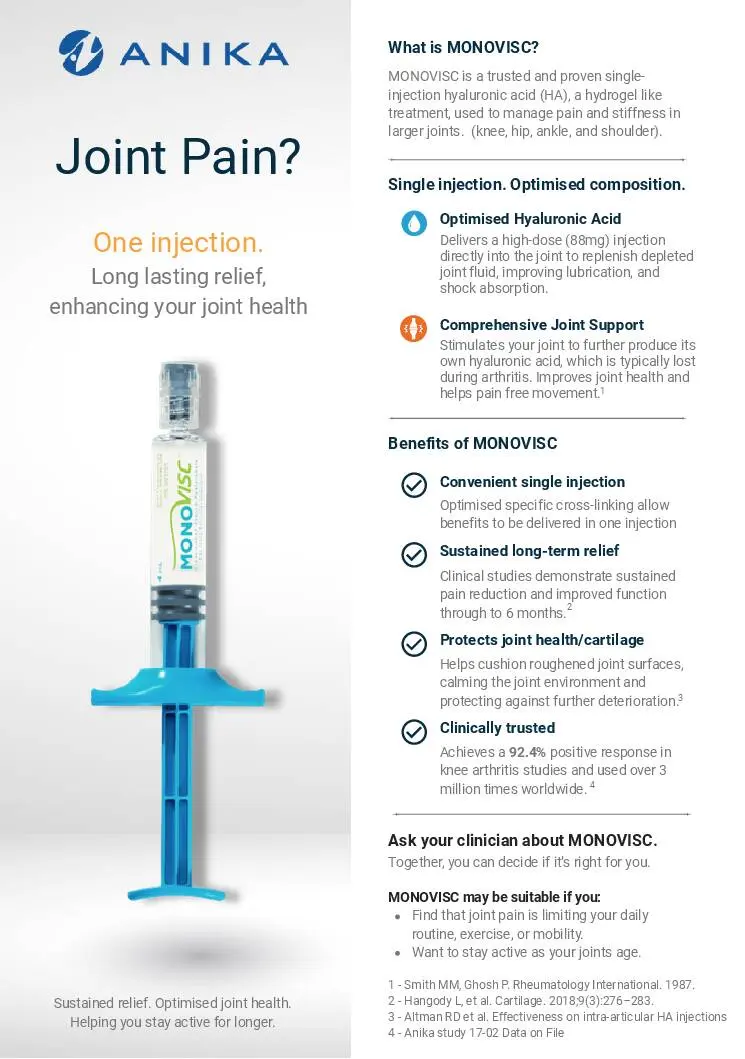
Monovisc Overview Guide
Manufactured by world leaders in joint care treatments, Anika. Monovisc has been trusted for joint pain treatment over 3 million times worldwide.
Open the PDF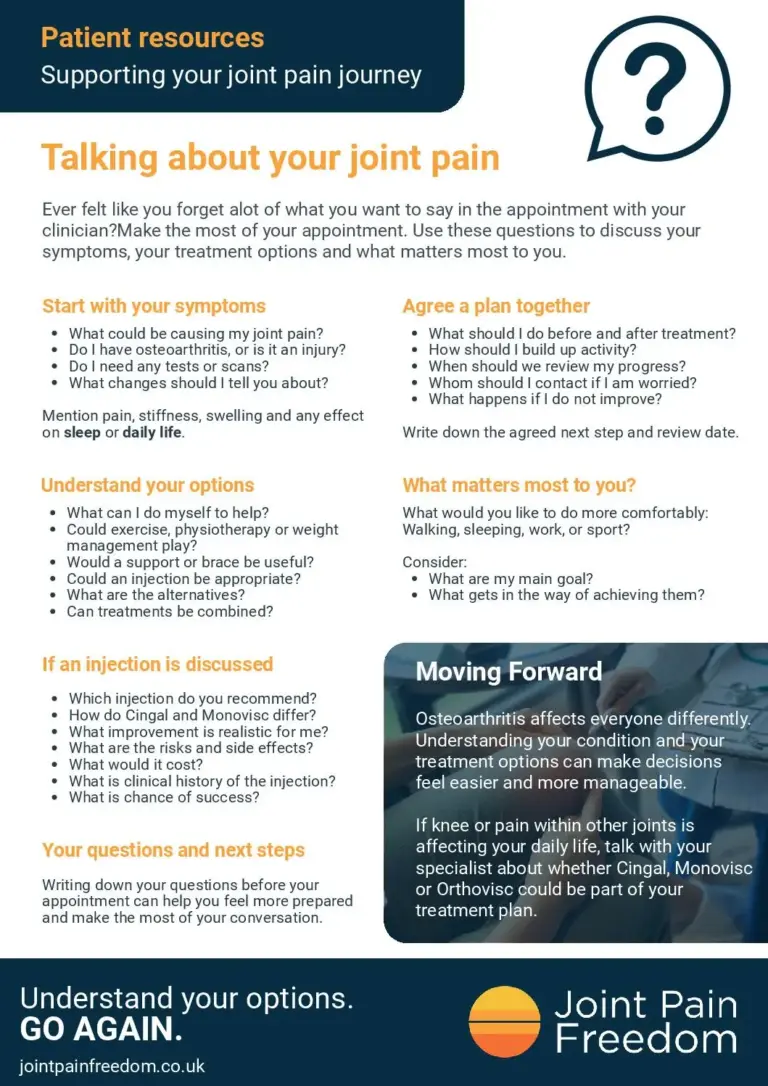
Talking about your joint pain
Questions to take to your appointment, covering your symptoms, your treatment options and what matters most to you.
Open the PDF