Compression & Bracing

Support that helps you move with more confidence

If you have joint pain, swelling or instability, one of the simplest and most effective tools is external support.

It’s not alwasy a heavy, restrictive support thats needed. The right level of compression or bracing can help you to stay active or recover from an injury. 

Compression & Bracing

Support that helps you move with more confidence

If you have joint pain, swelling or instability, one of the simplest and most effective tools is external support.

It’s not alwasy a heavy, restrictive support thats needed. The right level of compression or bracing can help you to stay active or recover from an injury. 

What is compression?

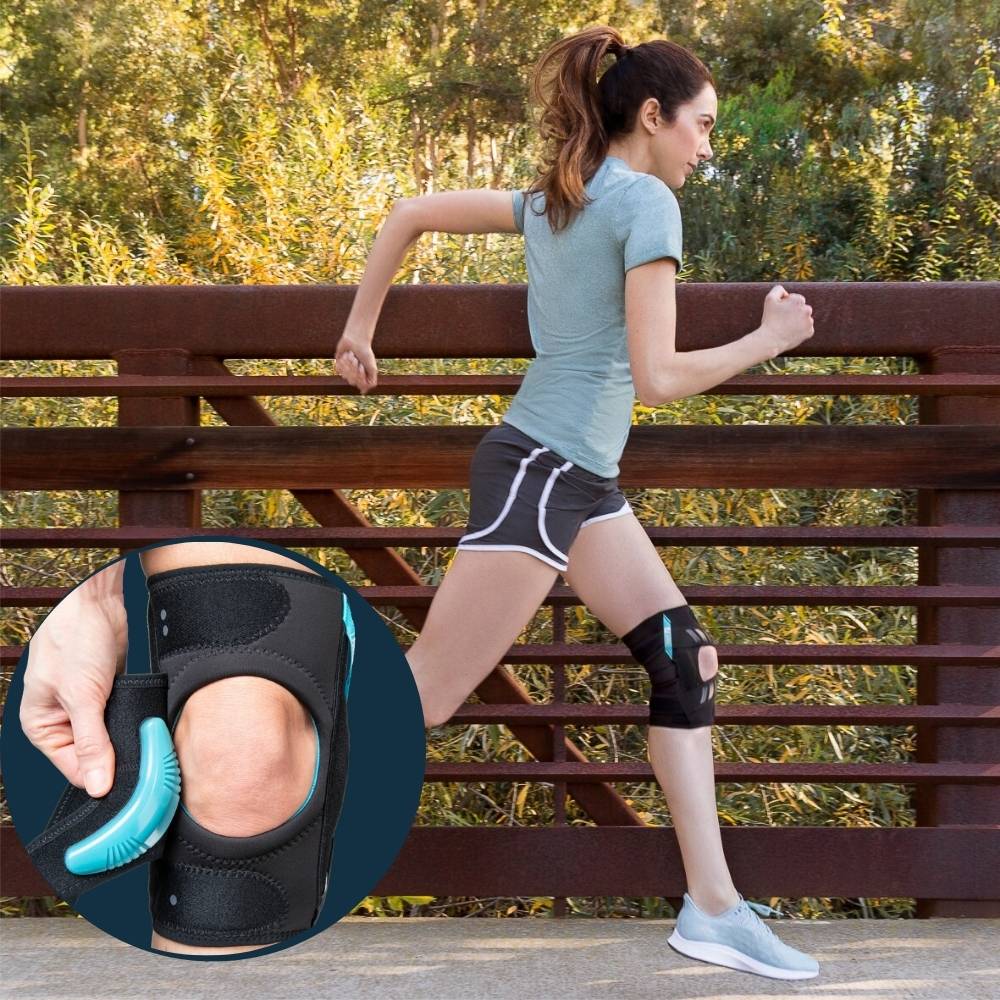
Compression is exactly what it sounds like – a controlled, gentle pressure applied around a joint.

Usually, this comes in the form of a soft sleeve made from elastic, breathable fabric. It may look simple. But when designed properly, compression can make a real difference.

There are many types of compression sleeves and garments available online. We work with Össur because they are a trusted world leader within the medical world in the field of bracing and prosthetics, supplying many clinics, hospitals and the NHS with their breadth of options. And they have spared no technology to develop the formfit compression bracing range. 

Össur’s Formfit Pro line for people suffering from various musculoskeletal conditions who also want to remain active is available through Joint Pain Freedom.  Read on to learn more about compression and bracing in general, or visit our e-shop to see all the options we can provide.

What compression actually does.

  • Helps reduce mild swelling by supporting fluid movement
  • Improves proprioception (your joint’s awareness of position)
  • Encourages confidence in movement
  • Provides warmth, which can ease stiffness
  • Offers light support without restricting mobility

For many people with early osteoarthritis, minor ligament irritation or flare-ups after activity, a well-fitted compression sleeve is often enough. It’s not about “holding the joint still”. It’s about helping it feel supported while you stay moving.

When is compression enough?

Simple compression is often helpful if:

  • Your joint feels mildly swollen or puffy
  • You have early arthritis with stiffness rather than instability
  • You’re returning to activity after a flare-up
  • You want light support during exercise or long days on your feet

It’s discreet. Comfortable under clothing. And easy to wear daily. For some people, that’s all that’s needed.

When Compression Isn’t Quite Enough

Sometimes the joint needs more than just gentle pressure. If you experience:

  • A feeling of instability or “giving way”
  • Moderate swelling that keeps returning
  • Ligament laxity
  • Post-injury weakness
  • Pain with twisting or directional movement …

then structured support may be more appropriate. This is where compressive support moves into bracing.

Compression vs Bracing

A Simple Way to Think About It:

Compression offers

Support, reduces pain and swelling, confidence and awareness

Bracing offers

Guided support, clinical stability, targeted joint stabilisation

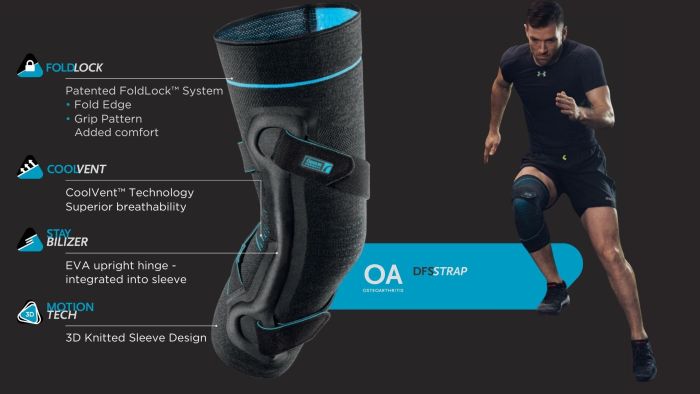
A hybrid example – The Formfit OA from Ossur.

Compression combined with proven targeted stability

The Formfit Knee OA sits in the middle and is a type of brace that is very popular for mild to moderate OA sufferer that are keen to stay active, and get some controll on swelling and pain after activities. It offers compression and gives awareness, but also offers genuine support that starts to help guide the joint. An option that can be easily used during activity and underneath long trousers.  

Because of the ease of use, simplicity of design, and low profile, patients who use Formfit Knee OA tend to stick with it. 
oa brace

When More Structured Bracing Is Needed

Most people with joint pain benefit from compression or light support sleeves. These provide warmth, mild stability and improved joint awareness while allowing natural movement.

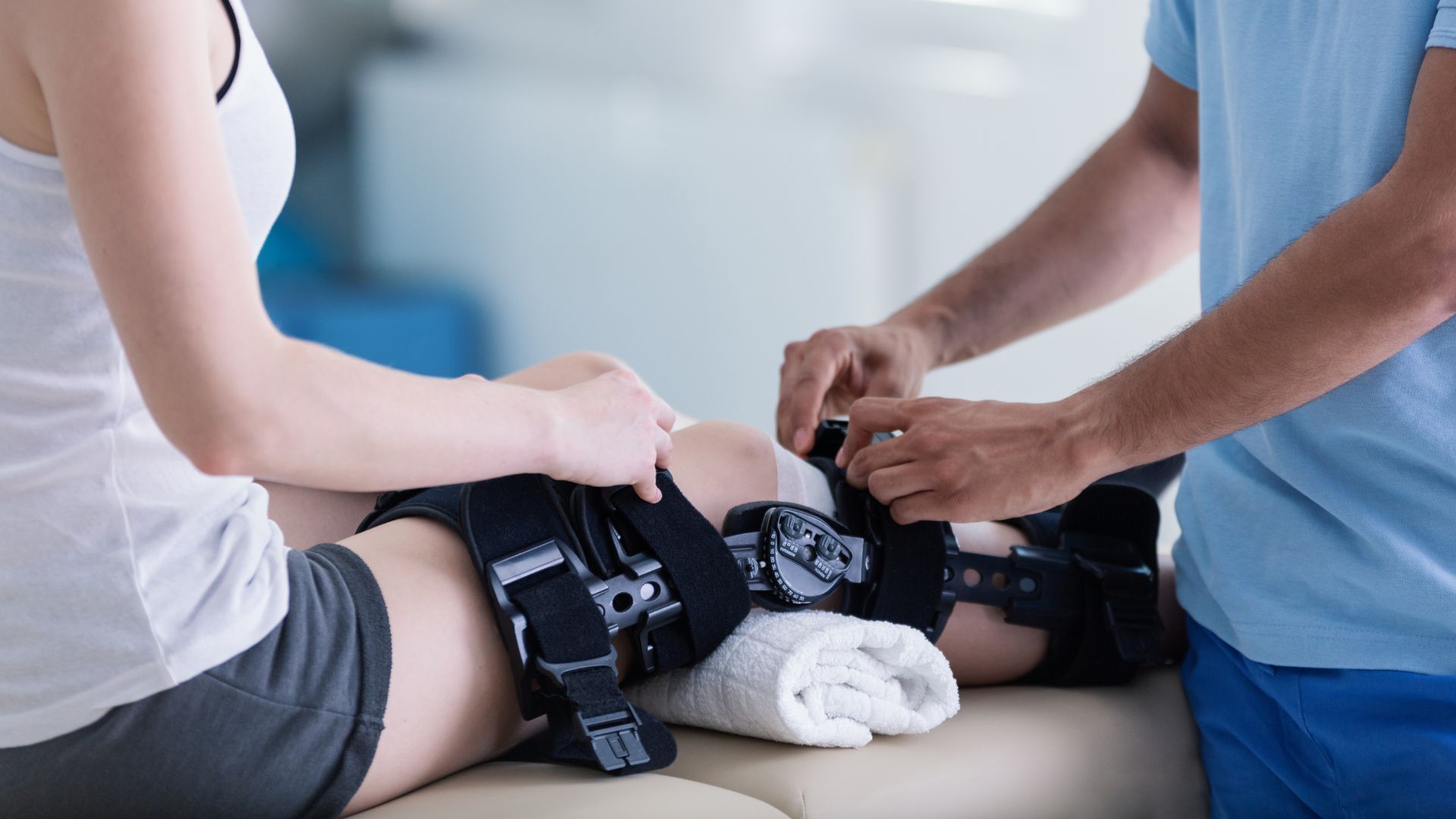
More structured braces sit further along the support spectrum. These are typically used when a joint needs more than compression alone – for example, after ligament injury, during rehabilitation from surgery, or in more advanced stages of joint wear where stability becomes more important. Perhaps a brace with the strength to aid in realigning a joint, like in bowed legs or knock-kneed people.

bracing

In many cases, bracing at this level is best guided by a healthcare professional. Physiotherapists, sports medicine clinicians and orthopaedic specialists often recommend specific brace types depending on the joint involved, the activity level of the patient and the stage of recovery.

Some braces are designed for particular sports or activities, such as skiing or return-to-sport rehabilitation. Others may include features that help control joint movement or limit certain ranges while tissues recover.

Because of this, correct selection and fitting can make a significant difference. For that reason, structured ligament braces and range-limiting braces are usually best discussed directly with a clinician rather than chosen independently.
Support That Fits Into the Bigger Picture

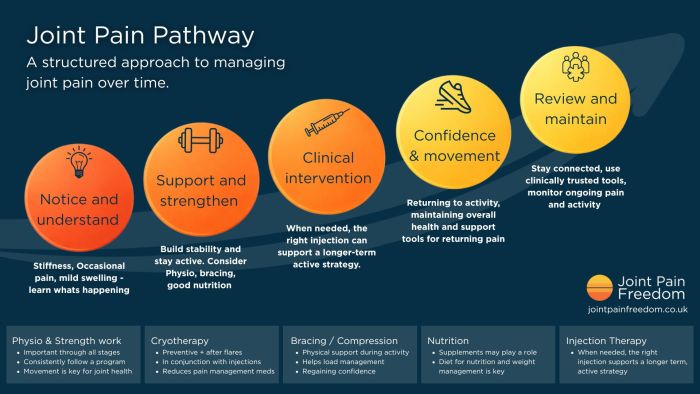
Compression sleeves, supportive compressive braces and more structured joint bracing can all play a role in helping people stay active while managing joint pain.

joint pain pathway

For many people, these tools work best when combined with other parts of a joint care plan. Physiotherapy, strengthening work, load management and, where appropriate, treatments such as joint injections can all help improve comfort and confidence in movement. Bracing should never feel like a last resort or something that replaces good rehabilitation. Instead, it can provide the additional support that allows you to keep moving while the joint settles and adapts. If you are unsure what level of support is right for you, speaking with a physiotherapist, sports medicine clinician, or orthopaedic specialist can help guide the decision. The goal is always the same: finding the right balance of support, movement and treatment so that you can keep doing the things you enjoy.

FAQ around Sleeves and Bracing

Can a brace help with joint pain or arthritis?

Yes, in many cases, a brace or supportive sleeve can help reduce discomfort and improve confidence when moving. Compression sleeves can help with swelling and joint awareness, while more structured braces may provide additional stability when the joint feels less supported.

The right level of support depends on the joint involved and the stage of the condition.

Should I speak to a clinician before using a brace?

For simple compression sleeves, many people are comfortable trying these themselves.

However, more structured braces are often best chosen with guidance from a physiotherapist, sports medicine clinician or orthopaedic specialist. They can help ensure the brace is appropriate for your joint, activity level and stage of recovery.

Can bracing be combined with physiotherapy?

Yes – and in many cases they work well together.

Physiotherapy helps improve strength, control and movement around the joint. A brace can provide additional support while those improvements develop, particularly during exercise, activity or rehabilitation.

Can bracing be used alongside injection treatments?

Yes. In some situations, clinicians may recommend bracing alongside injection therapies such as hyaluronic acid injections.

The injection works within the joint to improve lubrication and reduce inflammation, while a brace can help support the joint externally by improving stability and managing load during movement.

Together, these approaches can sometimes help patients return to activity more comfortably.

Can wearing a brace weaken the joint?

When used appropriately, bracing should not weaken the joint.

Braces are typically used during activity or periods when extra support is helpful, while physiotherapy and strengthening work continue to build long-term stability.

The goal is not to rely on a brace permanently, but to use it as part of a wider joint management plan.

When might more specialised bracing be needed?

Some braces are designed for ligament injuries, return-to-sport rehabilitation, or activities that place high demands on the joint, such as skiing.

These braces may include features that guide or limit certain movements while tissues recover. Because of this, they are usually selected with guidance from clinicians who specialise in rehabilitation or orthopaedic care.