







Therapy Live

Therapy Live – Proud Sponsors

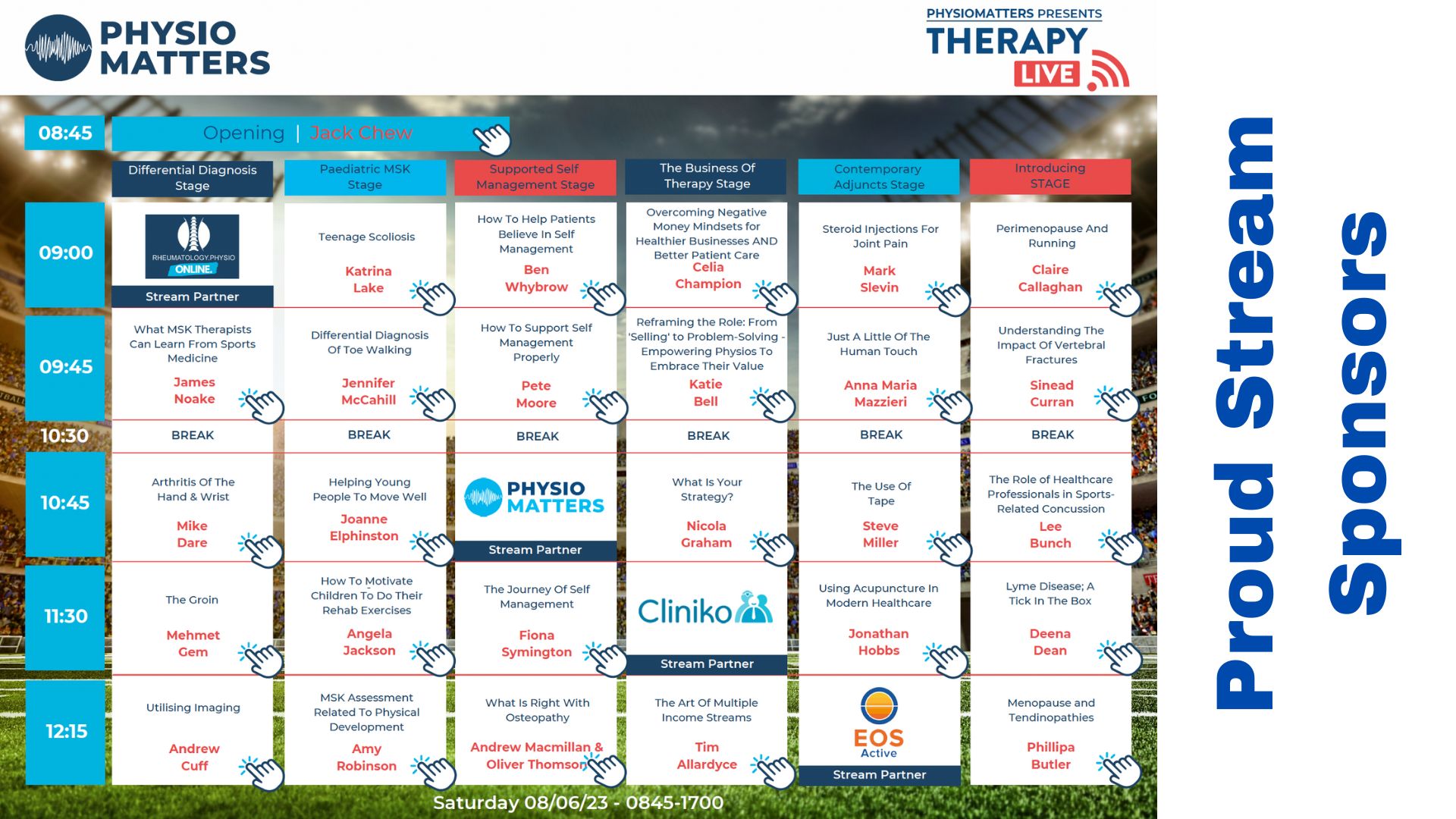
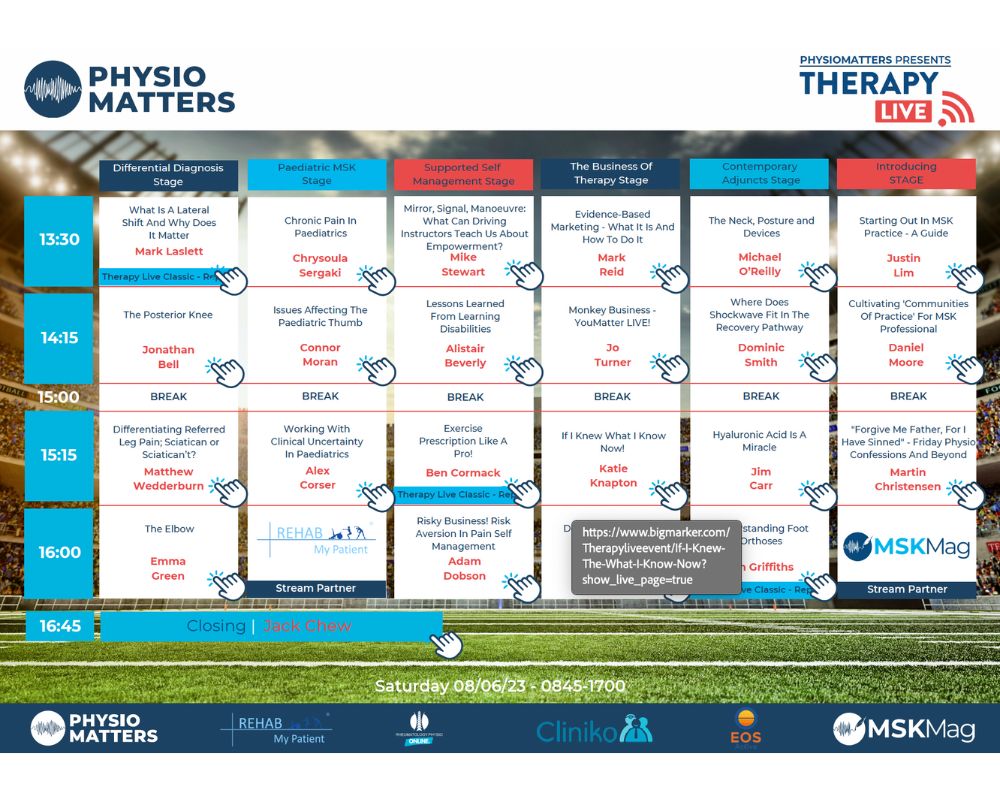
For 2024, we are delighted to be sponsoring the ‘contemporary adjuncts’ stream for Therapy Live.  A full day for physiotherapy based education, it’s a privilege to be involved.

Download the clickable PDF agenda here:

Therapy Live Agenda

Amongst the range of amazing talks and expert presenters, we would like to highlight 2 in particular during the ‘contemporary adjuncts’ stream.

  1. Prof Mark Slevin is giving a very topical presentation that covers the use of steroid injection therapies for arthritis. There are more than one type of steroid, and their mode of action within a joint can be different, offering varied safety profiles. Are certain types more suited to certain issues. We are sure Prof Slevin will discuss this and much more in this talk
  2. Jim Carr, Eos Active’s managing director has been asked to cover a topic with the title ‘Hyaluronic Acid is a miracle’!!  A very tongue in cheek way to describe HA… This talk is not covering a particular injection, a brand, or type.  It is looking at why our own endogenous HA within synovial fluid is key to joint health, and without it, the OA cycle can increase in severity.   How do we replace it when it’s no longer being produced? Can we do that effectively?  This talk will cover many of these topics. 

Register here

#ActiveFreedom

Continue reading

Understand the Science

Live Webinar Series – Understand the Science.

Register and Watch

This unique four-part series is led by, Professor Mark Slevin.

Mark (PhD, FRCPath) is a Professor of Cell Pathology at the Manchester Metropolitan University. He is also a Professor of Pathology at Targu Mures University of Medicine and Pharmacy (Romania) and Weifang University (China). With 280 articles listed in Google Scholar his research interests are focused on cell and tissue regeneration, stem cell biology, and vascular development during healing. He works with scientists and clinicians around the world creating novel therapies to improve the clinical outcome of patients suffering from degenerative disease.

We are honored to be able to present his thoughts and intelligence on these topics. Read more about our series leader – Prof. Mark Slevin

Education is important to us because it is important to you.

‘Understand the Science’ is a live online webinar series that offers the opportunity for something a bit different and a bit deeper.  We will be challenging some of the topics often discussed in our community for injection therapies. 

Over the 4 episodes we’ll cover the topics below and more:

  • The function of endogenous HA in the joint
  • Why HA decreases in OA / during inflammation
  • How exogenous HA effects the negative biology positively
  • When do we intervene with an injection during the OA cycle to effect change? 
  • Can nutrition slow OA, or even prevent the onset?
  • Is endogenous HA sensitive to our nutritional needs
  • Should we use nutritional supplements to promote endogenous HA?
    • What role does the microbiome play in OA and RA
    • The pantheon of injection therapies (mode of action of HA/PRP/MFAT/Hydrogel)
    • Successfully running an injection clinic, what does it look like?
    • Cingal® and Monovisc® – Clinically / Biologically / Pharmacologically
    • What is Rheumatoid Arthritis in practice 
    • The biology of  RA versus OA
    • Injections – HA for RA?  Cingal as a safer, longer-lasting option?


        To achieve such an event,  you need a group of experts with open minds, a wealth of knowledge, and great experience.  Ingredients our speakers bring in abundance.

        Four Key Topics, Four Episodes

        Sign up here

        Ep 1. 7pm, 25th April. The Science of Hyaluronic Acid.

        The science of endogenous HA and what effect does exogenous HA have in an OA joint

        Professor Slevin will kick off the webinar series by giving a detailed understanding of the role Hyaluronic Acid plays in MSK health.

        This will include a closer look at our own native HA, the science of how and why it’s important for joint health, and how can we best utilise exogenous HA to supplement OA and painful joints.

        Sign up

        Ep 2. 7pm 23rd May. Understanding OA Alongside Nutrition

        The OA biology and how nutritional factors such as dietary fats, vitamins, and the microbiome can impact symptoms.

        Prof. Slevin will be joined by Ben Steele-Turner for episode 2 to discuss OA biology and how nutrition can play a positive role.

        Ben is a MSK Physiotherapist, Registered Associate Nutritionist, and Personal Trainer in Horsham, West Sussex. We recommend following Ben on Instagram, he shares some excellent content. @physiutrition

        Sign up

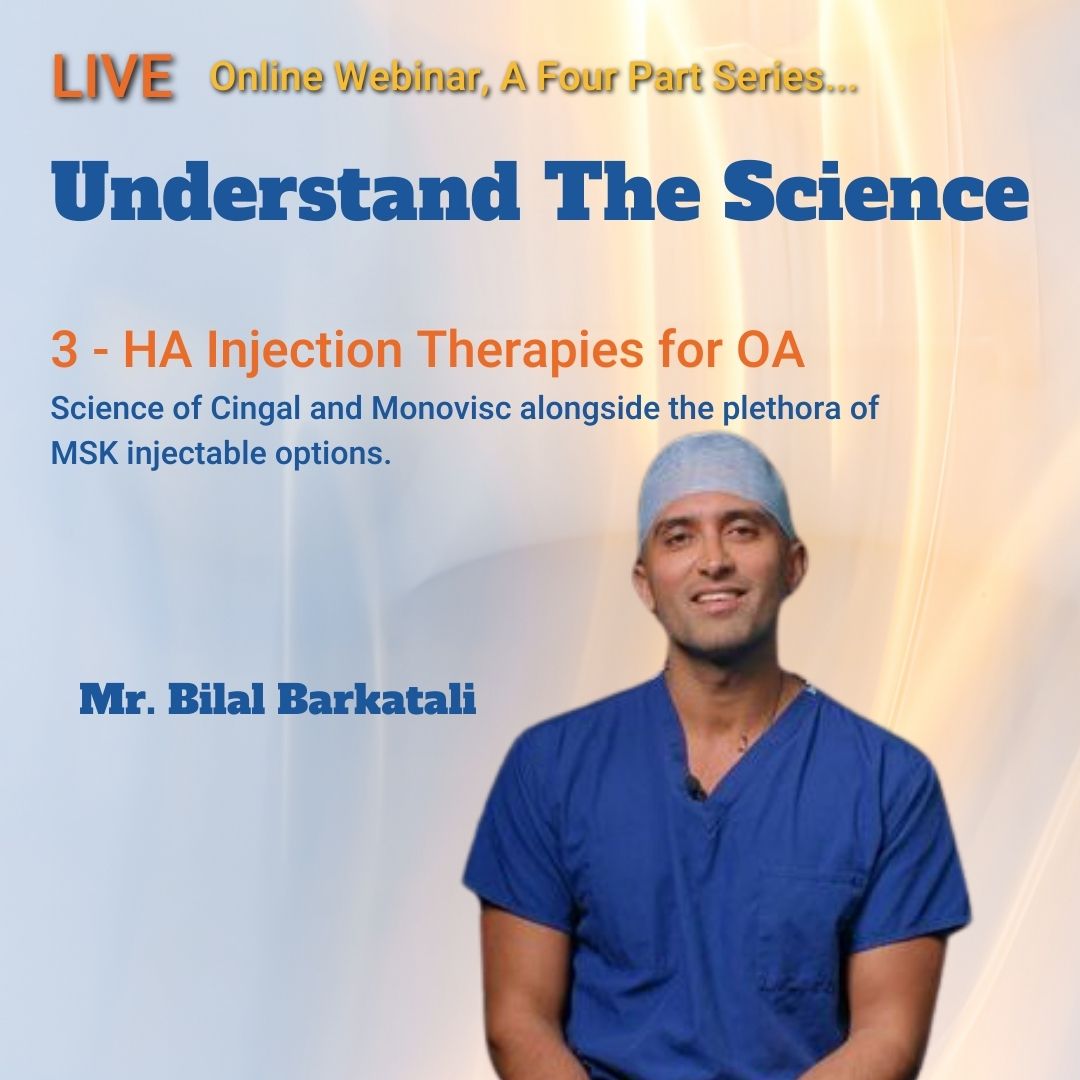
        Ep 3. 7pm 5th June. HA injections Therapies for OA

        The science of Cingal and Monovisc alongside the plethora of MSK injectable options

        Joining Prof Slevin in Ep. 3 is Mr. Bilal Barkatali, an expert joint preservation and soft tissue knee surgeon in Manchester. Bilal will offer exceptional insight and thoughts on injection therapies, explaining the choices he makes for his patients.

        You can find out more about Bilal and his practice at: www.thekneeclinicmanchester.com

        Sign up

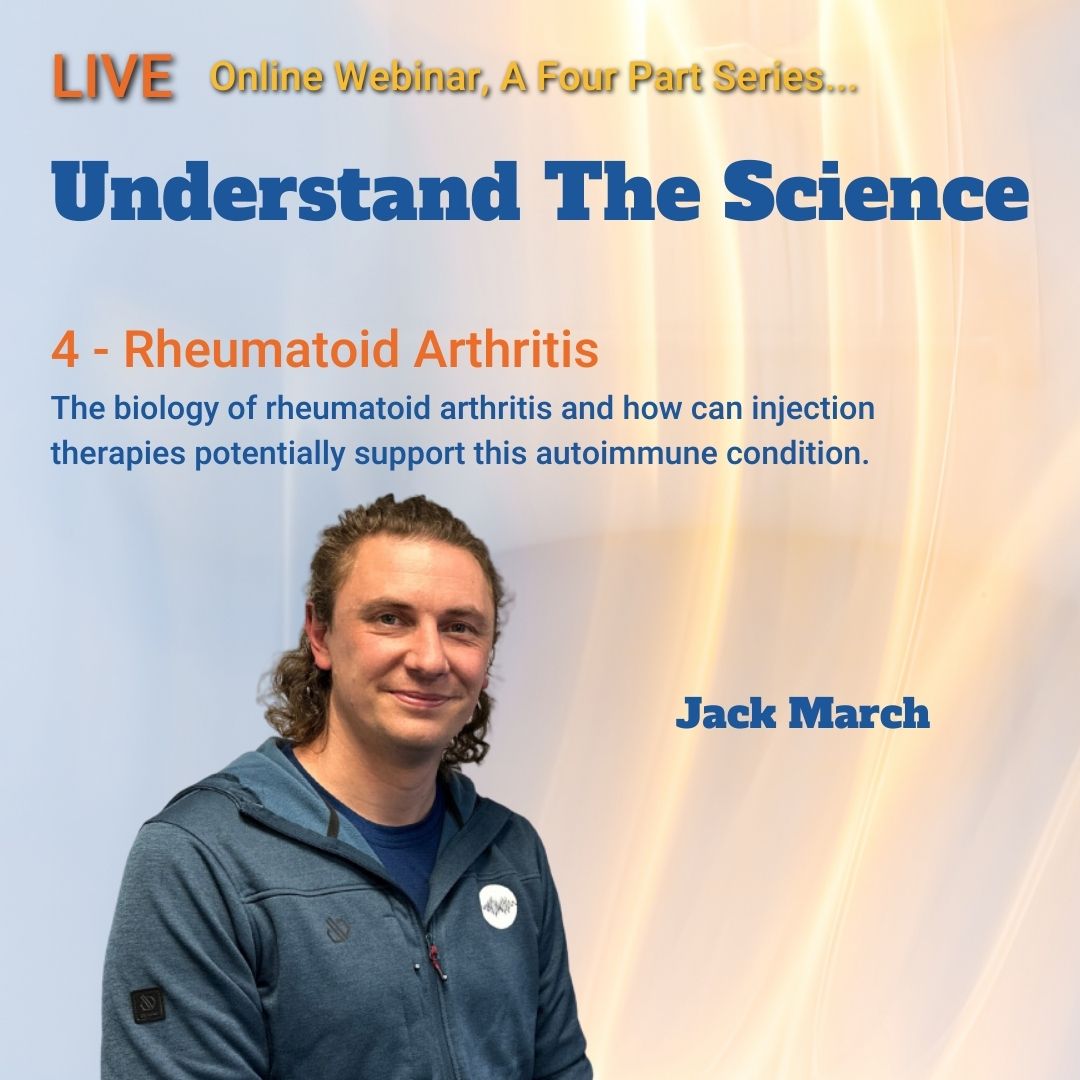
        Ep 4. 7pm 25th June. Rheumatoid Arthritis

        The biology of rheumatoid arthritis and how can injection therapies potentially support this autoimmune condition.

        Our expert guest to join Prof. Slevin on this topic is Jack March, a physiotherapist specialising in Rheumatology. With 12 years of experience in the field, he is an extremely respected voice in the healthcare community, sharing his knowledge and expertise on social media while maintaining his dedication as a physiotherapist to rheumatological conditions, supporting his patients to live their best lives.

        Learn more about Jack here: rheumatology.physio

        Sign up

        Turn on, Tune in, or watch again.

        Each episode will be going live at 7 pm, with approximately 45 minutes of presentations + time for Q&A.  Any questions that we don’t get a chance to answer live, we will get back to you after the event is finished.

        Anyone who has registered their interest will be sent the link to watch live and also to watch again in case you missed it.  Please share this information with any colleagues and clinicians who are currently treating OA patients. 

        Contact us if you’d like to find out more about the series, the speakers, Eos Active, and our products. 

        Continue reading

        Chineham Tigers

        Supporting Chineham Tigers Football Club

        The Eos Active logo never looked so good!  We are delighted to be kit sponsors of the fantastic Chineham Tigers under 11s team, based in Bassingstoke, Hampshire. 

        Grass Roots Sport

        Supporting the efforts of grassroots activities and sport is a privilege for Eos Active to get involved in. Good habits around team sports, self-discipline, and learning about the benefits of being healthy and staying fit are very well aligned with our way of thinking.

        Chineham Tigers epitomise this ethos, from their under 6yr girls and boys teams through to the under-18s, they have a 30+ team strong club, not just developing football skills but also essential life and fitness skills along the way.

        Based in Chineham in the north of Basingstoke, Chineham Tigers FC was established in 1994 and is run by a committed team of volunteers. Their aim is to serve the local community both in Chineham and the surrounding areas by providing the opportunity for boys and girls of all ages to participate in organised football. Their passion is in providing an equal opportunity for all to get into football. They have a full girls football set up to allow for equal opportunities.

        They strive to provide a fun, friendly, safe and professionally managed environment for the equal benefit of all their players.

        Doing us proud

        With our sponsorship coming mid season, the team were already having a strong run of form, but in their first match in the new Eos Active sponsored kit, the boys were playing in their local derby. 0-2 down at halftime, we were worried the kit had brought some sort of bad luck… only for the team to dig deep and with true Chineham Tiger spirit, fight back to a 3-2 victory!  

        It was great to hear about the team loving their new kit, and the good form continued into the following week winning their next cup match to progress to the Semi-Finals. 

        Football Leagues and clubs accredited by the FA have positively changed the football landscape over the past 20 years. They create the ideal environments to nurture players, coaches and volunteers.

        We can’t wait to hear more about the positive changes Chineham Tigers FC are continually putting in place,  and to also follow the success of the u11 boys team this season and into next. 

        If you have any questions or comments about Chineham Tigers, please contact them as they would love to hear from you.

        Healthy Habits for Healthy Joints

        We hope by now it’s accepted that barring any major and unfortunate injuries, sports and using our joints are good, not bad for the overall longevity of our joint health. We mustn’t see grassroots sport as mini professions for kids, it’s not all about ‘making it to the top’, it’s about learning robust healthy habits for lifelong participation in sport, and that it can be a fun thing to do for life. 

        In adulthood, we need avenues to socialise, take breaks away from daily stresses, and continue to use our bodies.  This all helps with our mental and physical health. Joint health thrives when we can stay active, and maintain healthy diets and weight.   The teams at Chineham Tigers are well on their way to developing some lifelong experiences and skills for their players.

        Power up to play

        If you are involved in a local sports team, and you’re not affiliated to the local physiotherapist we recommend you do so.  Advice on warm-ups, cools downs and further support can help prevent serious injuries.  One particular group leading the way for ACL injury prevention is Power Up To Play.

        ACL injury in adolescents is on the rise and is a life changing event but can much of the time can be avoided. Give their website a look our contact them or more information.  

        Managing OA Joint Pain

        If you’re an adult with joint pain that is cutting short your sporting life and you’re struggling to stay active, contact us.  We can point you in the right direction.  We specialise in joint pain injection therapies which are safe and effective.  You can read more on this website but we also have a patient-friendly website, packed full of useful information about some of the options the healthcare professionals we work with can offer. 

        #ActiveFreedom

        Continue reading

        Synovial Fluid

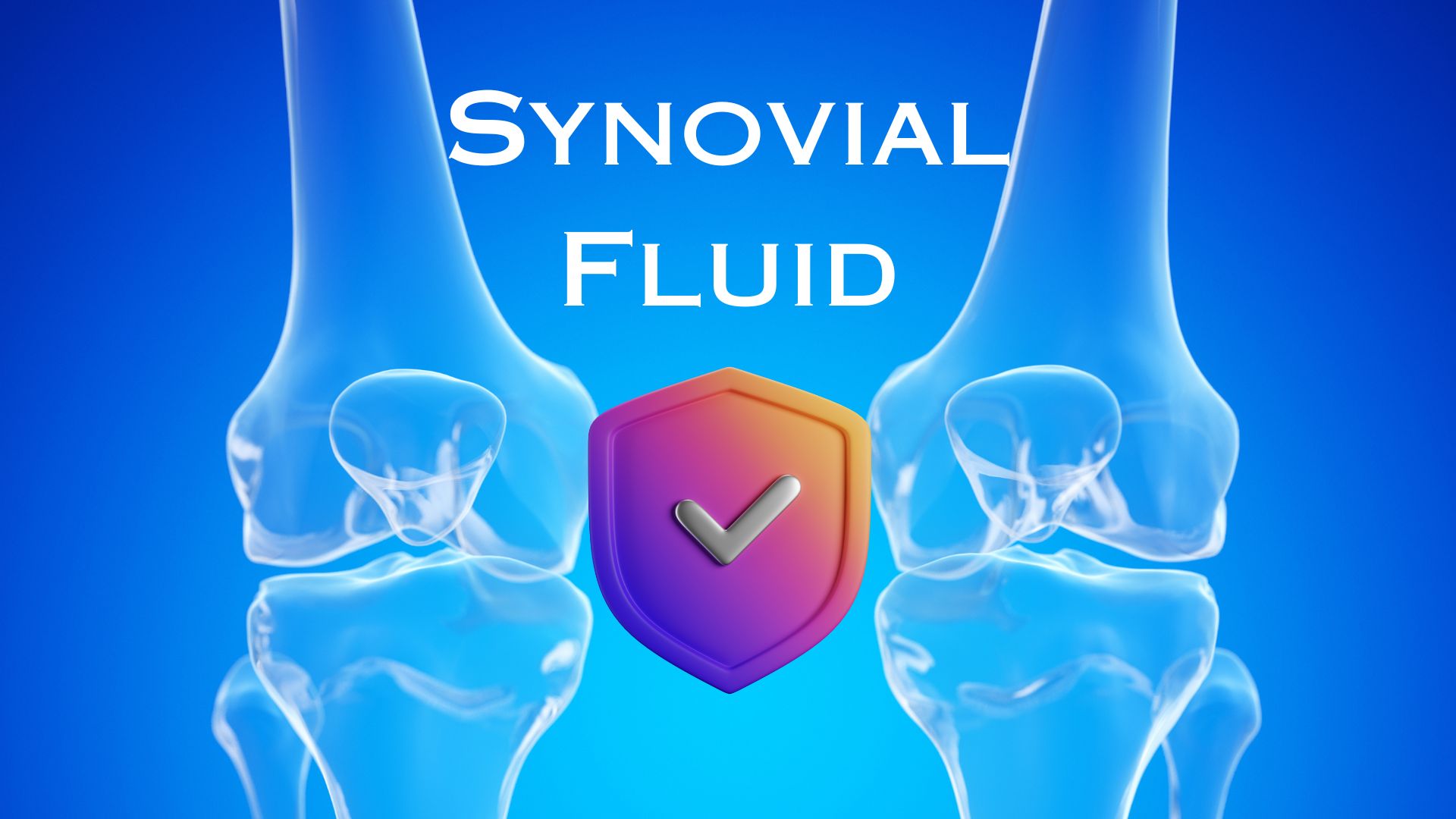
        Synovial Fluid – Guardian of the Joint

        Synovial fluid is part of the joint. And like any other part of the joint, if it changes, if it’s out of balance or no longer functions as it’s meant to, the cascade of joint disease starts to accelerate.

        It’s basically defined as the collection of fluid confined within a joint space. The healthy synovial fluid within healthy joints functions as a biological lubricant as well as a biochemical carrier, through which nutrients and regulatory cytokines travel. It contains certain molecules that provide low-friction and low-wear properties to articulating cartilage surfaces. Without healthy synovial fluid in our joints, the wear on the cartilage surface will increase.

        What is it?

        Synovial fluid is physiologic and acts as a joint space lubricant. It is the nutrient source for cartilage, meniscus, labrum, etc. It’s produced as an ultrafiltrate of blood plasma, primarily composed of hyaluronan, lubricin, proteinase, collagenases, and prostaglandins, and is produced from fibroblast-like synovial cells.

        A closer look

        A healthy knee for example contains ~2mL of synovial fluid.

        This consists of:

        • Hyaluronic acid: A viscous glycosaminoglycan serves as a structural element and lubricant. HA is in high concentration within the healthy synovial fluid, it is a key component to the extracellular matrix of cartilage, supporting chondrocytes.
        • Lubricin: The most lubricating and anti-adhesive molecule in the human body. It is a surface-active mucinous glycoprotein secreted in the synovial joint and plays an important role in cartilage integrity. Lubricin molecules coat the cartilage surface, providing boundary lubrication and preventing cell and protein adhesion.
        • Proteinase: An enzyme that catalyzes proteolysis, the breakdown of proteins into smaller polypeptides or single amino acids.
        • Collagenases: Enzymes that break the peptide bonds in collagen.
        • Prostaglandins: Produced in nearly all cells and are part of the body’s way of dealing with injury and illness. They both sustain homeostatic functions and mediate pathogenic mechanisms, including the inflammatory response.

        Choosing treatments to match pathology

        Synovial fluid can change and create negative effects in the joint. Volume and content changes occur in response to trauma, inflammation, and bacterial, fungal, or viral penetrance. If a patient presents with acutely painful joints with suspicion of infection, inflammation or non-inflammatory causes of effusion, synovial fluid aspiration and analysis can be a really useful part of the overall analysis when considering direct treatment modality.

        Strategies to maintain healthy synovial fluid

        Synovial fluid can be heavily influenced by our day-to-day life with simple factors coming into play.

        1. Stay Hydrated: It is essential for overall health but this includes joint health. Dehydration can reduce synovial fluid production.
        2. Balanced Diet: Consume a well-balanced diet rich in omega-3 fatty acids, antioxidants, and nutrients like vitamins C and E. These nutrients support joint health and can indirectly contribute to synovial fluid production.
        3. Regular Exercise: Engage in regular, low-impact exercises to stimulate the production of synovial fluid. Activities like swimming, walking, and cycling are beneficial for joint health.”Diet and activity uniquely altered SF metabolites attributed to amino acids, lipids, and steroids. Notably, a high-fat diet increased network connections to systemic biomarkers such as interleukin-1β and glucose intolerance. In contrast, exercise increased local joint-level network connections, especially among subchondral bone features and SF metabolites.” https://doi.org/10.1016/j.joca.2021.08.008
        4. Joint Mobility Exercises: Perform specific exercises that target joint mobility. These exercises help in the distribution of synovial fluid within the joint capsule.
        5. Maintain a Healthy Weight: Extra body weight can put additional stress on the joints, leading to inflammation and reduced synovial fluid production. Maintaining a healthy weight can alleviate this pressure.
        6. Supplements: Some supplements may support joint health. Glucosamine and chondroitin sulfate are commonly used to promote joint lubrication and reduce stiffness. More data is needed but it can seen as part of an overall healthier approach to life. It is always better to support nutritional needs through diet when possible.
        7. Heat Therapy: Applying heat to the affected joint can improve blood circulation and stimulate synovial fluid production. This can be done through warm compresses or hot baths.
        8. Massage and Physiotherapy: Regular massage and physio help to improve joint flexibility, reduce stiffness, and promote synovial fluid circulation.
        9. Avoid Prolonged Immobility: Prolonged periods of immobility can lead to decreased synovial fluid production. Take breaks, stretch, and move regularly throughout the day. A sedentary lifestyle is not a good idea for joint health.
        10. Injection therapies: They can support a patient to increase activity again once the joint disease is present and the synovial fluid is compromised. This helps to halt the painful OA cycle and creates a positive one, allowing patients to be active and motivated to achieve 1-9

        Look after your synovial fluid

        We have excellent surgical strategies in the key areas to repair and preserve the joint. We can also brace a joint to offload pain and manage biomechanics. However, do patients understand the underlying causes of what leads to these issues in the first place? Can we improve our own synovial fluid, in turn improving overall joint health through good lifestyle choices?

        Prevention is better than cure, a healthy active lifestyle, a good diet, good nutrition, staying hydrated, and as soon as you feel joint pain seek advice from a healthcare professional. Non-operative treatments can delay surgical intervention or in some cases prevent them altogether. But before any intervention, look after your body, it’s the only one you’ll get.

        Continue reading

        UK Partners

        Exclusive UK Partnership with Anika and Movianto

        Trusted UK-licensed product, distributed by Movianto.  Leading the way in medical device sales, marketing and logistics.

        Eos Active is part of a unique 3-way partnership with global joint preservation specialists Anika and storage and distribution specialists Movianto.  

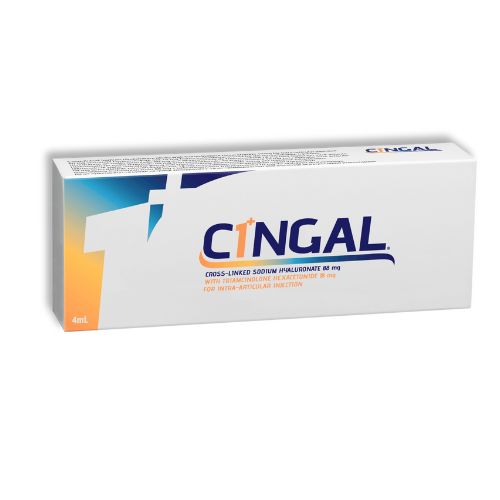
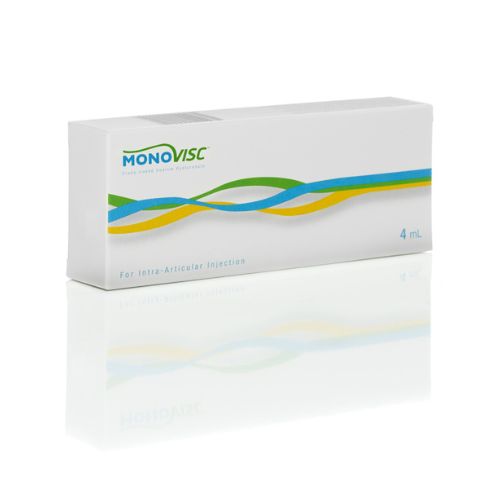
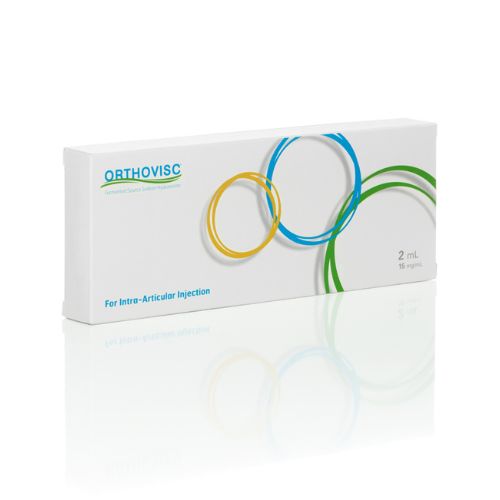
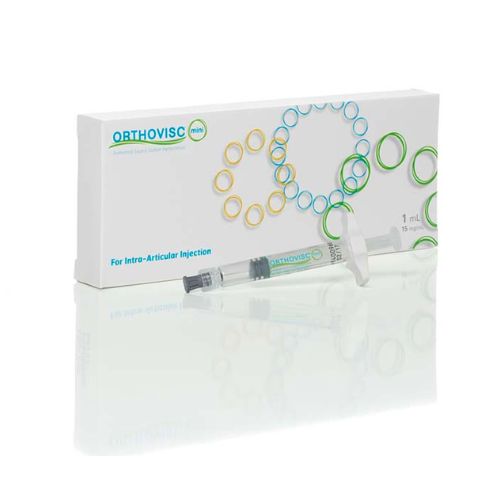
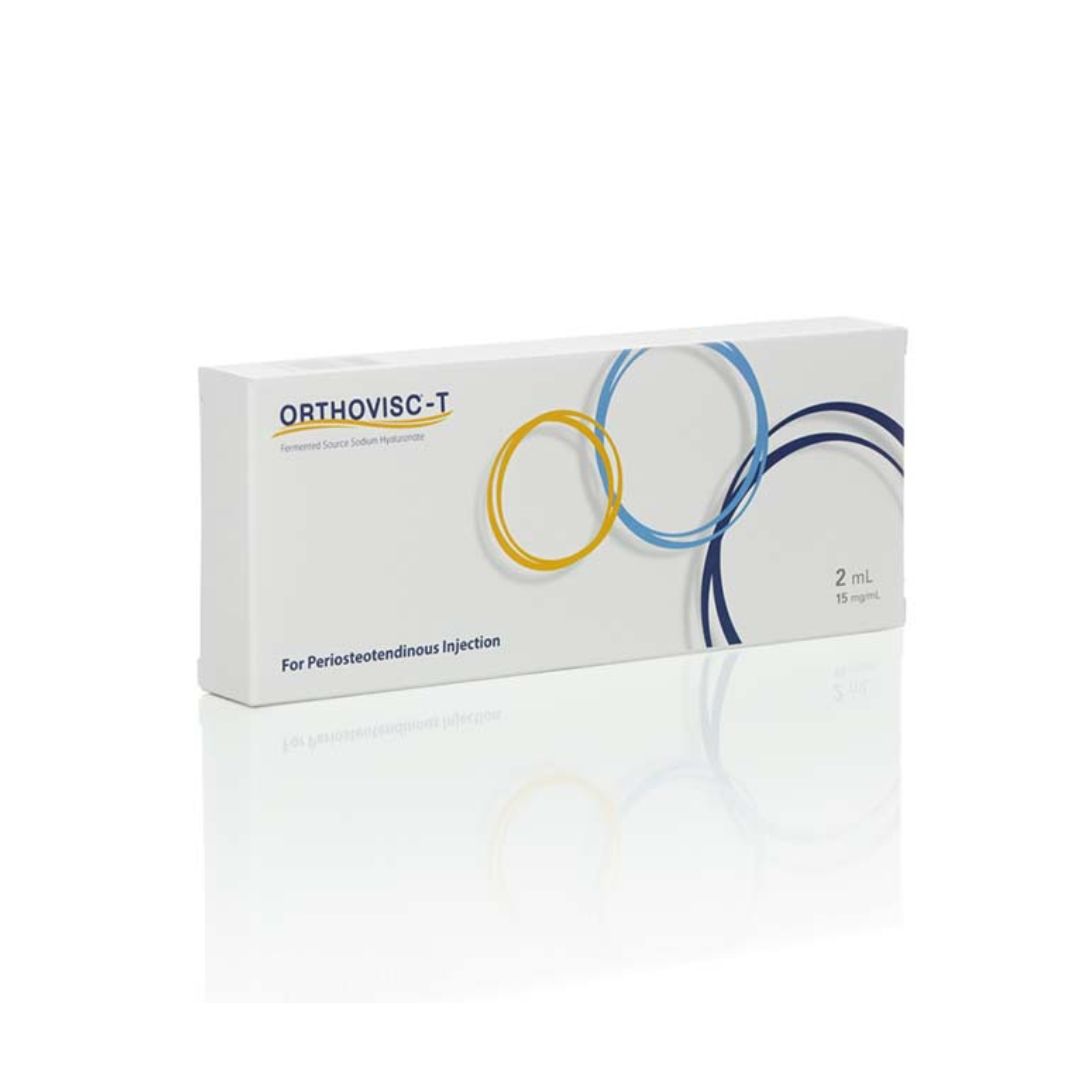
        Our role is to support UK customers with the sales, marketing, and education of Anika’s OA pain management portfolio.  The products included in this portfolio are Cingal, Monovisc, and the Orthovisc family.  See below and click the image for more information.

        • Cingal

        • Monovisc

        • Orthovisc

        • Orthovisc Mini

        • Orthovisc T

        Movianto

        Movianto is the leading logistics partner of the healthcare industry in Europe with a network covering 11 countries (see all their locations). They offer an end-to-end distribution strategy: primary transport, storage, order fulfillment, manufacturing, financial services, customs management, last-mile transport.

        That experience, knowledge, and expertise is of course passed through to their UK operation. 

          Movianto in the UK

          • 16 locations including Bedford, Tamworth, Haydock, and Belfast
          • Certifications:​ ISO 9001, ISO 13485, ISO 45001, GDP, GMP, Home Office Controlled Drugs license
          • 96,445m² of warehouse space​
          • 157,932 total pallet spaces ​
          • 1265 employees​ (Dec 2023)
          • 1,138,186 order lines in 2023
          • Bedford Link is the BREEAM-rated “Excellent” headquarters, home to our Medical Device Centre of Excellence, the largest Controlled Drugs Vault in Europe, a GMP re-work facility, and storage capacity for over 90,000 pallets dedicated to healthcare. This site is 25% solar powered with 500 solar panels. 
          • Their Tamworth site is fitted with state-of-the-art automated carton sortation. This is the central point in the network, and the hub and spoke approach removes over 600,000 miles of travel for our fleet, per year.

          Movianto in the UK like the overall international business, prioritises diversity of background, expertise, and culture as a main step to the group’s success. The Movianto international community is made up of over 3,000 teammates. Their people are our most valuable asset and they make sure to support their employees in their development within the group.

          Partnership

          At Eos Active, it is an absolute honor to work alongside and in partnership with two inspiring organisations such as Anika and Movianto.

          Not only is ordering through Eos Active or directly with Movianto the only way in the UK to procure officially approved UK products of the OA pain management options, but we also work closely together to develop this unique three-way partnership to give UK clinicians the very best in product, service, support, and education. 

          Contact us

          Please get in touch to discuss anything about the product options or for more information about any topics covered in this update. 

          Contact us

          #ActiveFreedom

          Continue reading

          IBS & Colitis

          Microbiome, IBS and Colitis

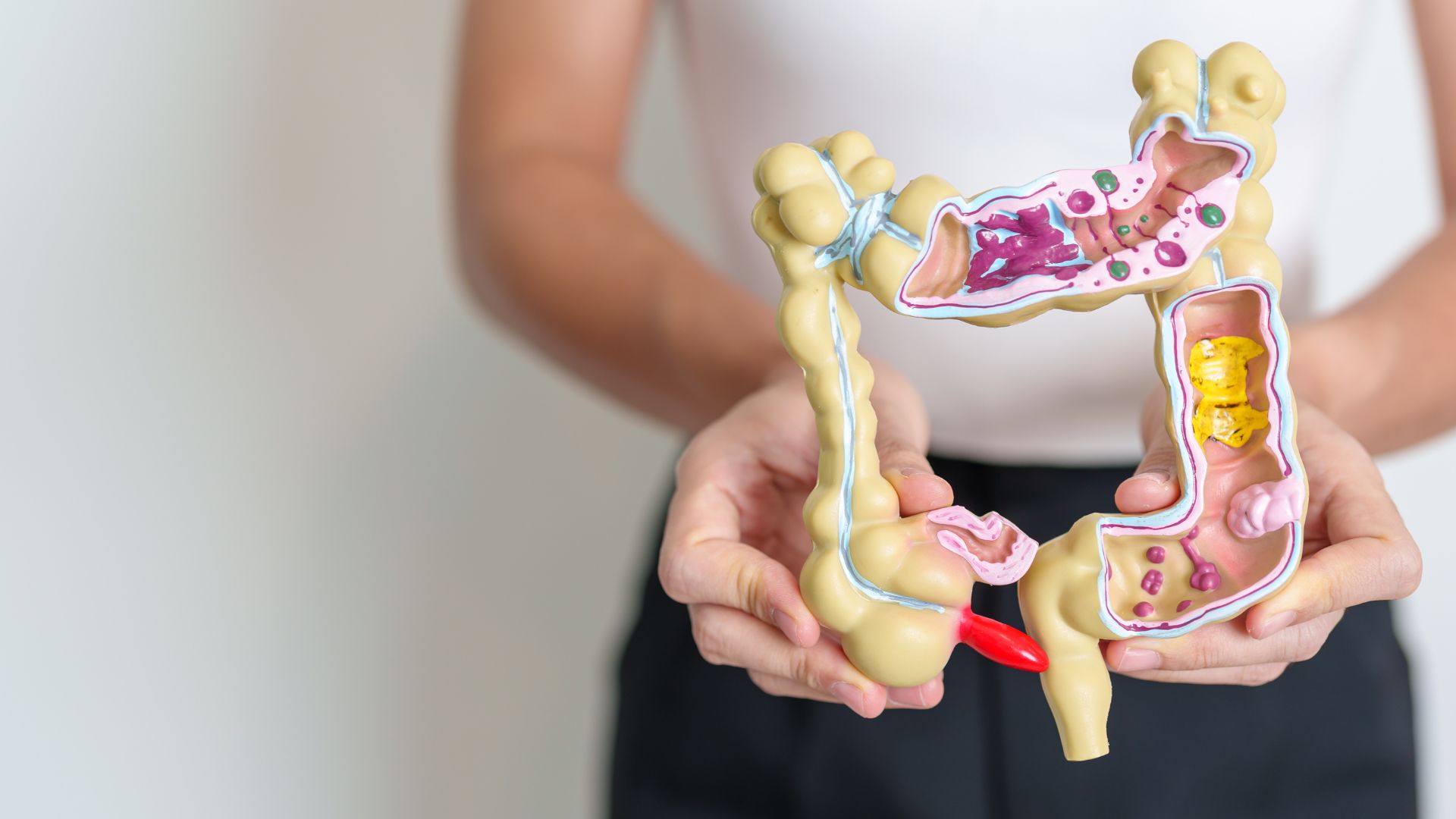
          The Microbiome plays a pivotal role in our overall well-being and health.  It can be tricky to feed the gut what it needs especially when you already experience comfort from foods that are supposed to be good for you!

          Our Microbiome supporting supplement the ‘Core’ can play an important role in ensuring you are covering your main bases. It is a great Kickstarter but also a useful maintenance supplement that covers the key strains to promote your ongoing health.  

          Find out more.

          Core – Microbiome Support

          The below was taken from an excellent update from BANT with some superb resources around IBS/IBD/Colitis.  Their expert panel shared the following details and links:

          Efficacy of a Synbiotic Containing Lactobacillus paracasei DKGF1 and Opuntia humifusa in Elderly Patients with Irritable Bowel Syndrome: A Randomized, Double-Blind, Placebo-Controlled Trial in Gut and Liver. 2023. With Expert Review from Ana-Paula Agrela

          Efficacy and dose response of Lactiplantibacillus plantarum in diarrhea-predominant irritable bowel syndrome in World Journal of Gastroenterology. 2023. With Expert Review from Chloe Steele

          Effect of the probiotic strain, Lactiplantibacillus plantarum P9, on chronic constipation: A randomized, double-blind, placebo-controlled study in Pharmacological Research. 2023. With Expert Review from Kirsty Baxter

          Low FODMAP diet reduces gastrointestinal symptoms in irritable bowel syndrome and clinical response could be predicted by symptom severity: A randomized crossover trial in Clinical Nutrition (Edinburgh, Scotland). 2022. With Expert Review from Kirsty Baxter

          Predictors of Symptom-Specific Treatment Response to Dietary Interventions in Irritable Bowel Syndrome in Nutrients. 2022. With Expert Review from Wilma Kristen

          Efficacy and Acceptability of Dietary Therapies in Non-Constipated Irritable Bowel Syndrome: A Randomized Trial of Traditional Dietary Advice, the Low FODMAP Diet, and the Gluten-Free Diet in Clinical Gastroenterology and Hepatology : the Official Clinical Practice Journal of the American Gastroenterological Association. 2022. With Expert Review from Karin Elgar

          This month, we continue our focus on the microbiome, this time diving into the science on the diet, the microbiome and IBS.

          Scroll for more nutrition and lifestyle science

          Recommended Podcasts and Blogposts this Month

          Dr Ruscio Radio – A Simple Probiotic Protocol to Improve IBS and Leaky Gut

          Dr Ruscio Blog – What you should know about IBS and Probiotics

          Optibac Probiotics Blog – The Best Probiotics for IBS Symptoms

          Your Reference Library

          For practitioners, researchers, policymakers and students with particular interest in this area, here’s our long list

          Efficacy and Safety of the Adjuvant Use of Probiotic Bacillus clausii Strains in Pediatric Irritable Bowel Syndrome: A Randomized, Double-Blind, Placebo-Controlled Study in Paediatric Drugs. 2023

          An insight into the functional alterations in the gut microbiome of healthy adults in response to a multi-strain probiotic intake: a single arm open label trial in Frontiers in Cellular and Infection Microbiology. 2023

          Blueberries Improve Abdominal Symptoms, Well-Being and Functioning in Patients with Functional Gastrointestinal Disorders in Nutrients. 2023

          Probiotics fortify intestinal barrier function: a systematic review and meta-analysis of randomized trials in Frontiers in Immunology. 2023

          Effects of FODMAPs and Gluten on Gut Microbiota and Their Association with the Metabolome in Irritable Bowel Syndrome: A Double-Blind, Randomized, Cross-Over Intervention Study in Nutrients. 2023

          Efficacy of diet restriction with or without probiotic for treatment of patients with IBS-D: Phase I-II clinical trial in Immunity, Inflammation and Disease. 2023

          The Effects of Agave Fructans in a Functional Food Consumed by Patients with Irritable Bowel Syndrome with Constipation: A Randomized, Double-Blind, Placebo-Controlled Trial in Nutrients. 2023

          Meta-analysis of the efficacy of probiotics to treat diarrhea in Medicine. 2022

          Randomised controlled trial: effects of gluten-free diet on symptoms and the gut microenvironment in irritable bowel syndrome in Alimentary Pharmacology & Therapeutics. 2022

          Fermentable oligo-, di-, monosaccharides, and polyols (FODMAPs), but not gluten, elicit modest symptoms of irritable bowel syndrome: a double-blind, placebo-controlled, randomized three-way crossover trial in The American Journal of Clinical Nutrition. 2022

          #ActiveFreedom

          Continue reading

          Cingal – Chondroprotective

          Cingal – Chondroprotective

          Steroid injections have a place in managing joint pain. How, when, and where always generates great debate.

          A very interesting scientific paper by Bauer et al looks at the ‘increased chondroprotective effect of combining HA with a steroid…’ and adds further discussion to that debate.


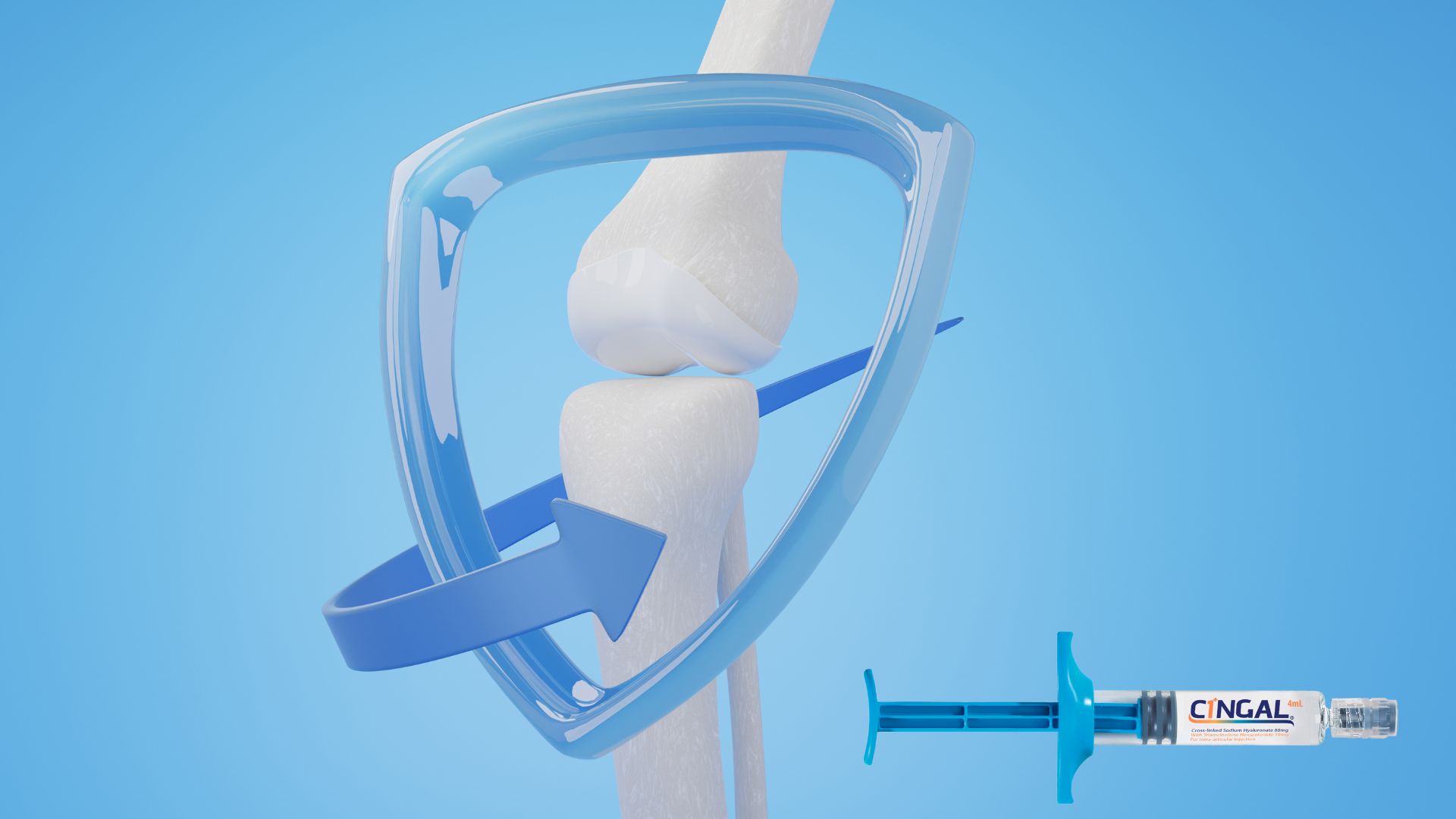
          Cingal consists of Triamcinolone Hexacetonide, a ‘kinder’ yet potent steroid that is held in suspension with Hyaluronic Acid. Much more than a simple mixture. This gives a safe and consistent delivery that complies with medical device regulations.

          Practical benefits for a patient include:
          💉 One injection
          🏨 One visit
          💷 One standard cost
          📈 92% response rate – 26 weeks
          📉 72% pain reduction – 26 weeks

          Increased Chondroprotective Effect of Combining Hyaluronic Acid with a Glucocorticoid Compared to Separate Administration on Cytokine-Treated Osteoarthritic Chondrocytes in a 2D Culture

          Abstract;

          Intra-articular injections of glucocorticoids (GC) or hyaluronic acid (HA) are commonly used interventions for patients suffering from knee osteoarthritis (OA). Both substances are combined to achieve a chondroprotective and anti-inflammatory effect. Clinical studies have shown benefits, but data on the cellular level are still lacking. This study aimed to investigate the effect of the GC triamcinolone hexacetonide, HA, and a mix of both substances on cytokine-treated chondrocytes in vitro. Chondrocytes isolated from human articular cartilage were seeded on 6- and 24-well plates. Mimicking OA’s inflammatory state, cells were treated with IL-1β and IL-17 for six days, whereby, after three days, test substances (10%) were added to the culture medium. Chondrocytes were analyzed on days three and six concerning their actin polymerization, expression of anabolic and catabolic genes, metabolic activity, cytokine release, and reactive oxygen species (ROS). Adding HA or GC/HA to the inflammatory culture medium increased the metabolic activity of chondrocytes, while groups containing GC reduced catabolic gene expression and the release of TNF-α. In addition, enhanced F-actin content was shown supplementing HA or GC/HA to the culture medium. Supplementing GC with HA leads to an anti-inflammatory and chondroprotective effect by diminishing the side effects of GC supplementation alone.

          Full paper

          Cingal for Knee Pain

          Cingal offers patients with knee arthritis pain relief within 24-48 hours of receiving the injection.  The above paper scientifically demonstrates that the positive effects of rapid pain relief from the steroid are not diminished, but the potentially harmful effects associated with steroid injections on the chondral surface are.  

          Cingal manages pain with rapid effect while maintaining the chondroprotective properties of a normal Hyaluronic Acid. 

          Find out more

          Cingal

          #ActiveFreedom

          Community @ Eos Active

          Continue reading

          Arthritis and Microbiome Health

          Arthritis and the Microbiome

          Over the last few years, there’s been a huge amount of media and information about the microbiome and how it can affect multiple functions in our bodies. From links to autoimmune, anxiety, depression, and general well-being, it’s no surprise we are all sitting up and listening.

          What’s the link to OA?

          Part of the problem in determining potential helpful strategies or treatments in the area of OA is that the gut microbiome interacts with multiple risk factors for OA, such as obesity, estrogen, age, sex, diet, metabolic syndrome, genetics, inflammation, mechanical loading, and exercise.

          However, a recent paper caught my eye that I wanted to share:

          The Microbiome in Osteoarthritis: a Narrative Review of Recent Human and Animal Model Literature:

          Dunn, C.M., Jeffries, M.A. The Microbiome in Osteoarthritis: a Narrative Review of Recent Human and Animal Model Literature. Curr Rheumatol Rep 24, 139–148 (2022). https://doi.org/10.1007/s11926-022-01066-6

          Purpose of the review: The microbiome has recently emerged as a powerful contributor to health and illness in chronic, systemic disorders. Furthermore, new microbiome niches beyond traditional gut locations are frequently being described. Over the past 5 years, numerous pivotal studies have demonstrated associations between changes in various microbiome niches and the development of osteoarthritis (OA). Herein, we review the most impactful recent literature, including microbiome associations with disease and the potential therapeutic value of microbiome manipulation.

          Findings:

          • The gut microbiome of human OA patients is enriched in specific bacterial clades, most notably Streptococcus, which correlates with OA pain, Firmicutes, and others.
          • OA can be easily distinguished from RA by evaluating differences in oral microbiome composition. Most studies have also demonstrated a reduction in the richness of the gut microbiome (alpha diversity) associated with OA.
          • Several studies have identified bacterial signatures within human knee and hip cartilage, synovial fluid, and synovial tissue and have described changes in these patterns occurring with the development of OA.
          • In animal models of OA, high-fat diet-induced obesity has been the most well-studied OA risk factor associated with changes in the microbiome, with numerous bacterial clades changed within the gut microbiome and associated with OA.
          • Also in animal models, various oral supplementations, including dietary fiber, probiotics including Lactobacillus species, and cecal microbiome transplantation have all shown improvements in OA histopathology or cartilage healing. Microbiome changes are strongly associated with the OA disease process and with individual OA risk factors related to both the gut microbiome and the microbial DNA patterns in the joint.
          • Microbiome-directed interventions have the potential to prevent or reduce the progression of OA. Future studies should investigate the mechanistic underpinnings of these microbiome associations and further define the therapeutic potential of microbiome augmentation.

          It’s a developing field

          Clearly, the data is suggestive and not conclusive but having spent a large part of my career around joint preservation surgical technologies, the pre-surgical and preventative area is always fascinating. Prevention is better than cure.

          Just like joint injections can directly nourish the joint, should we be focussing on nourishing our whole system before symptoms develop? It’s very subjective and any form of early joint preservation strategy is hard to quantify success, but my ‘gut’ feeling is a holistic approach throughout your life is the best way to go.

          With Eos Active, we want to promote overall wellness and a holistic approach to MSK and joint preservation. From the start, we teamed up with Kirsten Cameron, an expert nutritionist. The goal was to create a complementary nutritional supplement range that is driven by as much data and research as possible.

          Our range is simple and aims to support some key areas around staying active. We’re still developing the range, it’s taken time as we won’t compromise on certain areas of quality. If you are interested in working with us to offer our microbiome support option ‘The Core’ of any of the other packages in your own practice, get in touch.

          Thanks for taking the time to read our update on the Mircbiome health for OA – Jim.

          Continue reading

          Cingal medical device

          Cingal® – A Medical Device

          Cingal is a next-generation, unique pain management injection therapy, that is classified the same as a Hyaluronic Acid injection, a medical device.   Therefore Cingal does not require a prescription although contains a potent, yet gentler-acting steroidal component to its makeup. 

          So, what’s the deal, why a medical device, what is CINGAL®?

          Cingal ® is a combination of Monovisc (the worlds mot injected HA for joint pain) and Traimcinolone Hexacetinide (TH).  To understand Cingal is to understand TH. 


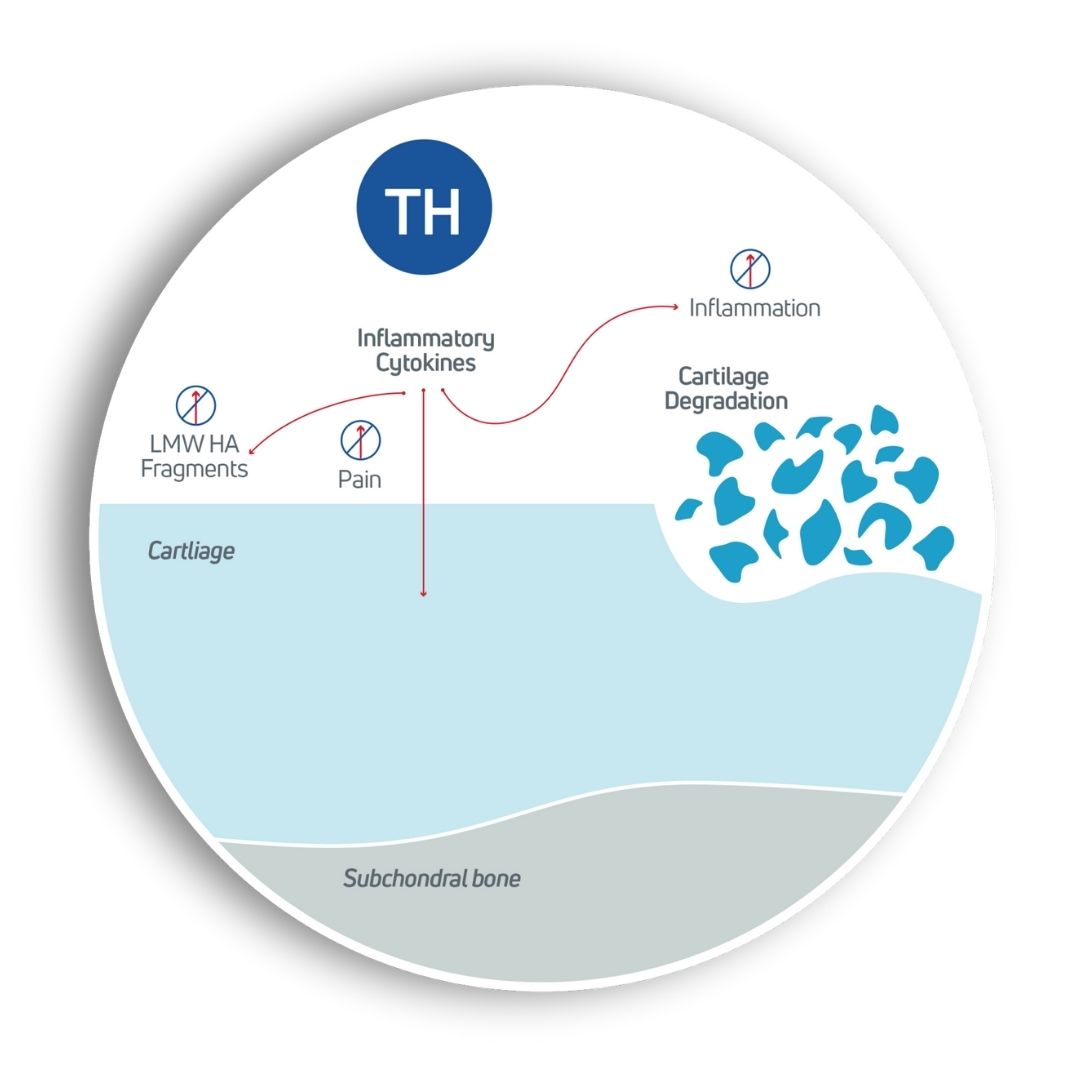
          TH is a slower-release steroid but works incredibly well to control inflammation and pain in the Osteoarthritic Joint.

          • Fast pain relief, generally beginning 24 hours after administration
          • Approximately 5X the potency of hydrocortisone
          • TH maintains anti-inflammatory levels longer due to its slow release over time
          • Achieves low systemic levels of corticosteroid
          • Well tolerated, associated with fewer flare-ups than TA
          • A safe choice: Pediatric Indication

          TH is active for 10-14 days


          Reducing inflammation to allow HA to work most effectively is backed by strong science, and mixing these two comments is commonly accepted as standard practice for a painful, inflamed OA knee. 

          We know from endogenous HA production and the OA cycle, that inflammation weakens HA.  So to improve the performance of injected HA, it makes sense to manage the inflammation simultaneously.

          The issue is, that steroid doses tend to be higher than is needed (40mg Triamcinolone Acetonide or even double this) and add the further complication that it does not mix with well HA. They separate and do not disperse into the joint evenly.

          Steroid and HA do not naturally mix

          How Corticosteroids works within the joint

          They have an anti-inflammatory and immunosuppressive effect.

          Decrease the local inflammatory modulator response by switching off multiple inflammatory genes by

          1) Interfering with inflammatory cell adhesion

          2) Interrupting cytokines (like IL-1)

          3) impairing leukotriene and prostaglandin synthesis

          The effect of cortisone with knee intra-articular injections

          ↑ vasoconstriction leads to ↓erythema, swelling, heat, tenderness, and pain.

          ↑ relative viscosity & HA concentration, leading to increased mobility. Lower doses (12-18mgs for TH) actually show a possible protective effect on chondral tissue.

          Medical Device Classification and Guidance 

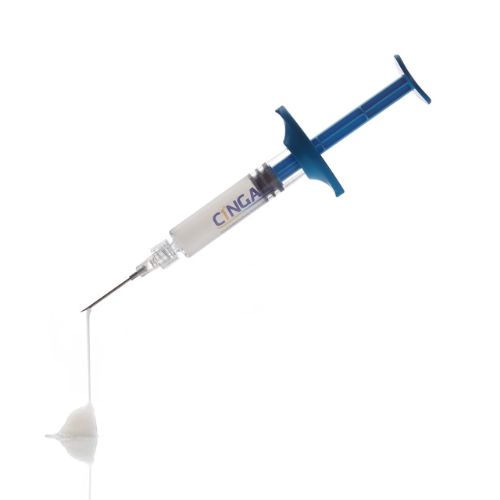
          Cingal®.  TH + Monovisc in a single injection as a medical device.

          It does not require a prescription. Cingal is the safest way to combine steroid with HA.  The TH and HA are micronised, ensuring it is part of the overall injection with no separation. TH is also a slower absorbing steroid meaning it produces a powerful anti-inflammatory effect that continues to work at the more optimum level for longer,  with a gentler action when compared to TA or other corticosteroids commonly used.

          18mg of a slower release, kinder steroid component, combined with 88mg of Hyaluronic Acid, manufactured as a singular product into a syringe that is designed ergonomically, is a very different option to 40mg Ostenil Plus + 40mg TA/Kenelog mixed in a clinic 

          Hence the medical device regulations deaming Cingal a medical device.

          Highlighted in the factsheet for healthcare professionals and health institutions;

          ‘In-house devices –

          The Regulations allow health institutions under certain conditions to manufacture, modify, and use devices ‘on a non-industrial scale’ when equivalent ones are not available commercially……

          Full MDR factsheet

          CINGAL is a MEDICAL DEVICE.

          PROVEN with unmatched clinical data across three Phase III clinical trials. FASTER acting with 59% pain reduction in week 1. LONGER lasting with 72% pain reduction at 26 weeks. CONSISTENT pain reduction results with a 92% responder rate at 26 weeks

          Community @ Eos Active

          #ActiveFreedom

          Continue reading

          Managing Arthritic Joints

          Positive Lifestyle Adjustments for Arthritic Joints

           Embrace the Change: Living with arthritis can be challenging, but it doesn’t have to define your life. With the right lifestyle changes and a positive outlook, you can manage your condition and enjoy a fulfilling life

          Our 10 golden rules that everyone can achieve, that with consistent management can make a difference to you arthritis. 

          1. Maintain a Healthy Weight:

            Excess weight can put additional stress on your joints, especially on the weight-bearing joints like the knees and hips. If you have arthritis, consider working towards a healthy weight through a balanced diet and regular exercise. Losing even a few pounds can significantly alleviate joint pain and discomfort. Also lowering belly fat can reduce inflammovaroty responses in the body. 

          2. Stay Physically Active:

            While it might seem counterintuitive to exercise when you have joint pain, regular physical activity can actually help improve joint function. Low-impact activities like swimming, walking, and gentle yoga can strengthen the muscles around your joints and provide greater stability.  Injections like Hyaluronic Acid can support this part of the journey, and gives you back a better function while lowering pain. 

          3. Stretch and Flexibility:

            Incorporating stretching and flexibility exercises into your routine can help maintain or improve your joint’s range of motion. Simple stretches can be done at home or as part of a gentle exercise program.

          4. Hot and Cold Therapy:

            Applying heat or cold to arthritic joints can help alleviate pain and inflammation. Experiment with hot packs, warm baths, or cold compresses to find what works best for you.  There is a lot of do’s and not around heat and cold therapy but if gives you relief an allows you joint more freedom to move, then do it!

          5. Joint Protection:

            Be mindful of how you use your joints.  Avoid repetitive movements that strain your joints, and use proper body mechanics when lifting or carrying objects.  The pain may come latter that evening from overuse on an arthritic joint.   one down activities that fair it up and try to avoid them.

          6. Dietary Adjustments:

            Certain foods can have anti-inflammatory properties that may help reduce arthritis symptoms. Consider incorporating more foods rich in omega-3 fatty acids, like salmon and flaxseed, and antioxidant-rich fruits and vegetables into your diet.  Certain nutritional supplements can support a healthy diet.  You can learn more in our Nutrition pages.

          7. Manage Stress:

            Stress can exacerbate arthritis symptoms. Practice stress-reduction techniques such as meditation, deep breathing, or engaging in hobbies you enjoy. Reducing stress can help minimize pain and improve your overall well-being.

          8. Quality Sleep:

            Adequate, restorative sleep is crucial for managing arthritis. Invest in a comfortable mattress and maintain a consistent sleep schedule. If joint pain is keeping you up at night, consult your healthcare provider for pain management strategies.

          9. Medication Management:

            Work closely with your healthcare provider to determine the most appropriate medications to manage your arthritis. These may include pain relievers, anti-inflammatories.  Joint pain injections used at the right moment in you arthritis journey can significantly slow down the OA cycle.  See below for how Hyaluronic Acid works in this instance.

          10. Stay Informed:

          Educate yourself about your specific type of arthritis and stay up to date on the latest treatments and therapies. Knowledge is empowering and can help you make informed decisions about your health.

          Conclusion:

          Arthritis doesn’t have to be a roadblock to living a full and active life. Positive lifestyle changes can make a significant difference in managing arthritic joints. By maintaining a healthy weight, staying physically active, protecting your joints, and managing stress, you can reduce pain and improve your overall well-being. Remember that everyone’s journey with arthritis is unique, so it’s essential to work closely with your healthcare provider to develop a personalized plan that addresses your specific needs. With a positive attitude and a commitment to these lifestyle adjustments, you can enjoy a fulfilling and active life despite arthritis.

          “>

          #ActiveFreedom

          Continue reading