National MSK Health

National MSK Health

28th Jun 2023 – Economic Growth and Increased Productivity: Boosting the MSK Health of the Working Nation

The nation has a musculoskeletal (MSK) problem. As a society we have tended to focus on MSK issues relating to the ageing population, but the latest figures on the number of people not working in the UK due to long-term sickness (including poor MSK health) highlight how we need to start thinking of poor MSK health as a multi-generational challenge.

According to the Office for National Statistics (ONS), more than two and a half million people are currently unemployed due to health-related issues, including back and neck pain. The government has responded with a Call for Evidence, designed to capture a wide range of perspectives on the prevention, early diagnosis, treatment, and management of a range of serious health conditions including MSK disorders. Getting people back to work is central to its plans for economic growth.

Changing working patterns during and following the pandemic appear to have exacerbated the situation with an increase in people reporting MSK problems, often due to ergonomically unfit workstations in their homes and/or physical inactivity. This has alarmed many employers who have realised that their duty of care to employees extends beyond the traditional work environment.

A further challenge for government is presented by its desire to increase the retirement age to 67. Keeping people fit enough to thrive in the workplace until their late 60s, especially those involved in physical tasks, will demand a serious focus on their MSK health whilst addressing the other chronic health conditions and social factors that impact life expectancy, especially in social disadvantaged areas. We can no longer accept the weakening or deterioration in our physical capabilities as an inevitable consequence of ageing. Equally, we cannot expect people involved in physically demanding roles, to continue working without addressing their evolving MSK needs.

There are some good examples of organisations responding to these challenges. The Royal United Hospitals Bath NHS Foundation Trust is running drop-in wellbeing sessions for domestic services staff and porters and can refer individuals for physiotherapy if needed. The Royal National Orthopaedic Hospital NHS Trust advises staff about good ergonomics if working from home. Business in the Community in association with Public Health England has produced a toolkit for employers to advise on MSK in the workplace. Anglian Water run a ‘Fit for the Future’ programme for their staff which has led to a reduction in days lost to ill health and improved productivity. However, these isolated examples of good practice are insufficient if we truly want to meet the nation’s MSK challenges. We also cannot rely on an already over-stretched NHS.

One positive outcome of the focus on poor workforce health has been a shift in the narrative surrounding MSK health from ‘cost’ – often characterised as dealing with the ‘burden’ of poor MSK health posed by an ageing population – to ‘productivity’. There is a clear return on investment for government, employers and society, in terms of national productivity and prosperity, from improving the overall MSK health of the nation. This will hopefully strengthen the case for increased government investment in MSK prevention, diagnosis and treatment which has been historically underfunded. We saw signs of this in the most recent Budget when the Chancellor announced a £400m package of government support for those forced to leave work because of MSK issues, which including funding for digital resources and the creation of community MSK hubs. This is a good start, but tackling a problem of this scale, especially given the focus on prevention, will require imaginative thinking and investment from employers, engineers, data scientists, designers, the fitness industry and others – a collective response to a shared challenge.

We need to create a healthcare system focused on preventing illness as much as treating it. We need designers to create ergonomically sound workplaces for factories, offices and the home. We need technologists to design smart tools and digital solutions to promote good MSK health. We need employers to see the value in investing in MSK health programmes for employees, and the fitness industry to create easily accessible MSK strengthening and rehabilitation programmes for an adult audience that according to Sport England figures is 20% less active than in the 1960s.[1] The same study shows that 27% of all adults (rising to 48% of the least affluent adults) are classified as ‘inactive’. The seriousness of this situation is underlined by WHO data showing that physical inactivity accounts for 10,000 unnecessary deaths in the UK every year, more than for harmful alcohol consumption.[2]

With MSK health no longer seen simply as an ‘old person’s’ problem but as a multi-generational issue, the focus on getting people back into the workplace, or staying longer in the workplace, represents an important opportunity for all of us involved in MSK health. One of the taglines we use in our charity is ‘Pain free movement for all’ – it is an aspiration that has never felt more relevant.

Community @ Eos Active

[1] Sport England Active Lives Survey (20-21

[2] Global mortality from modifiable health behaviors (WHO, 2021)

#ActiveFreedom

Continue reading

Supplement choice

Choice

It’s a choice to be healthy and active, but how do you do it?  The supplements market is can be confusing and overly promotional.  Kirsten explains a little on how to navigate that. 

Choice

Many supplements on the market come in a range of combinations 


lots of different vitamins and minerals and sometimes herbs as well, all in one capsule. What do all these things do? Are they right to go together? How do I make a choice?We all know that vitamins and minerals are essential for normal function of our bodies. But some combinations can affect their absorption in the body, either impairing or enhancing it. Also, sometimes they can impact another medication, interfering with its efficacy or making side effects worse.

Mineral combinations

Some minerals should not be taken together because they can affect each others absorption. Exactly why is difficult to explain, but essentially, it goes back to the periodic table. Think redox reactions
and stealing electrons. In a nutshell this can impact on their absorption as they compete with each other. For example, it’s known that calcium and magnesium prior to surgery improve outcomes, but the combination of the two can be detrimental if they are not in the right ratios. Too much calcium can prevent magnesium being absorbed. Also, a ratio above2:1 can increase inflammation – exactly the opposite of what you want pre surgery. Combining vitamins and minerals can help their absorption. For example iron and vitamin C. The vitamin C increases the absorption of iron and also keeps it in its active form. Liver metabolism pathways.  The liver is the main detoxification organ in the body. It breaks down nutrients and metabolises them in preparation for the rest of the body to use them. It also stores some vitamins and minerals. However, some substances can interfere with detoxification pathways. An example of this is StJohns Wort – often used for improving mood, can interfere with the oral contraceptive pill interfering with its efficacy.

Vitamin absorption

There are two types of vitamins, fat soluble and water soluble. In general, water soluble vitamins (mainly all the Bs and C), can be taken together. However it is useful to know that taking too much of water soluble vitamins just leads to them being excreted from the body. So why waste money taking excessive amounts of a water soluble vitamin if the body is just going to get rid of it? They key therefore is to ensure you are taking the amount you need – how do you do that? You consult an expert! Fat soluble vitamins (A, D, E, K) aren’t flushed out of the body. They are absorbed along with fats from the diet and can be stored by the body. So its important to not take too much of any of them. How do you know if you are taking too much? Again, consult an expert! Herbs Herbal medicine is something that fascinates me and something I am constantly learning more and more about. Herbs from a medical herbalist are specific combinations they have determined to be specific to you. They are very personalised. However, with the increased popularity of herbs, many supplement companies are now adding them into their suite of products. However, often these are thrown together in a generic way, and many of those combinations effectively annuls the actions of the herbs. There are many many different actions in herbs, and combinations can bring out different results. However, if you are specifically using say Ashwagandha to help with relaxing, and you mix it with something like Rhodiola which is a stimulant, then neither of them are going to give you what you are after. There are other actions that both these herbs have, but combining them may give you an effect greatly different from what you anticipated.

Summary

So, everything including the kitchen sink in a supplement is like taking a sledgehammer to smash a walnut. While to be fair, you might get something out of it, there is also the probability of a lot of wastage and a bit of collateral damage too. So the upshot is when making a choice – keep it simple. What is it you are wanting to achieve? Don’t go beyond this, don’t try and solve world poverty. The most focussed supplements and extracts are the ones that will achieve the best result. Less is more! And most of all, find a brand you can trust – the ones that specialise in a specific field and have the research to back it up.

#ActiveFreedom

Continue reading

Meet Kirsten Cameron

Eos Active’s Nutritional Expert – Kirsten Cameron

9th June.  Meet Kirsten

Who I am

I am a BANT and CNHC registered Nutritional Therapist.  Just for good measure I am continuing the studying journey currently undertaking an MSc – the world of science never stops, and neither does the learning.

Get in touch and sign up to our monthly newsletters to be part of that learning process.

Eos Active Community

I understand the demands…

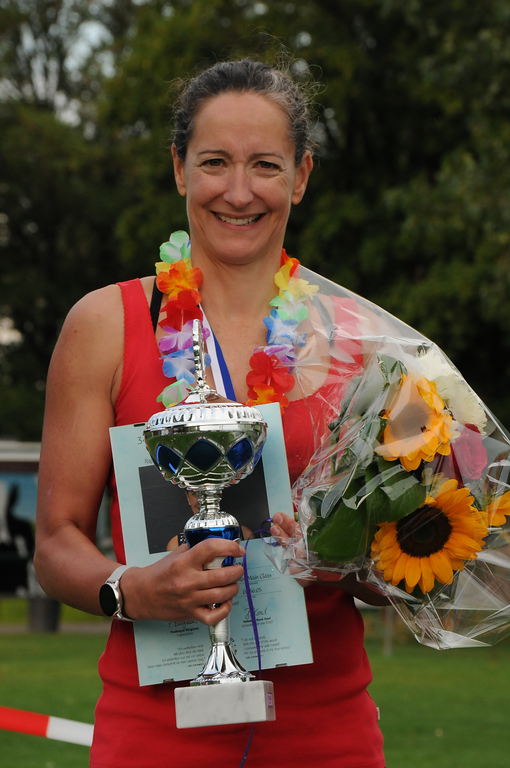
I am also a former elite level swimmer and I still swim a LOT – I have experienced my fair share of injuries and of course fatigue, burnout and chronic illness.  And with this background I am working with Eos Active to create a range of vitamins and mineral extracts in key synergistic combinations to work with your body as its recovering from injury, surgery, or simply facing the changes we all go through as we age – hormonal or otherwise.  Aligned to a healthy all rounded lifestyle, high quality supplements and mineral extracts can play an important role in freeing you to keep doing what you love. 

I’m interested in what is right for YOU.

It’s important to select the right supplements at the right time for where you are at and let’s be honest, buying supplements at any time is painful.  The number of brands is huge, their range of products enormous and any one ingredient is involved in 10 different combinations.  What works?  What do I need?  Do I need 16 different supplements? Is a two for one a good idea? Isn’t the supermarket a fine place to buy? So when you are in a specific point with a acute issue like injury or surgery, it becomes even more critical to get things right.

We aim to take that pain away – we do the thinking for you, and we keep it simple and keep it real.   We don’t promise you a trip to the moon, or a two for one deal.  Just simple honest targeted extracts. Its what we are about.

Our product range

We don’t rush and take a considered approach, ensuring we do things right and to the highest standards.  Any old mix of ingredients isn’t what we are about.  As the evidence bases continue to grow and we in turn learn alongside then deeper science, new extracts and combinations will be researched.   As these are found to be effective, our range will develop.

Our initial focus

  • Prehab and rehab surgery and injury.
  • Repair and regenerate, what does the body need for optimum recovery.
  • Long term and ongoing wellness support, ensuring the key areas are consistently being managed.
  • Probiotics are extremely important against the backdrop of high refined and processed food.  You can never go wrong with keeping your gut heathy.
  • Ageing for every day life, as our body changes so does it’s needs.
  • Aging athletes.  Busy lives, busy career, still competing?  Avoid injury and keep performing at your best.  

These are just some of the topics we will continue to research, develop and build upon.  Please do interact with us.  Tell us what your needs are!

KC’s Qualifications

Current – MSc Personalised Nutrition, CNELM, Middlesex University, London

2018 – 2022 – Nutritional Therapy Diploma Course, Institute of Optimum Nutritio (ION), Richmond

2022 – Certificate in Exercise Physiology, Stanford University Get Smarter Programme

2021 DNALife Certified Practitioner Course

2021 Certificate Women are Not Small Men, Dr Stacy Sims

2021 Assistant Swim Coach Certificate, Swim England

2020 Certificate Menopause for Athletes, Dr Stacy Sims

2020 Certificate in Herbal Medicine, Mind-Body Medical

2020 First Aid Certificate, Red Cross

2019 – Diploma in Herbal Medicine, The Blackford Centre

2019 Introduction to Mycotherapy Certificate, Hifas da Terra

2017 Prince2 Practitioner, Axelos Global Best Practice

2013 Certified Associate in Project Management, The Project Management Institute (PMI)

1997 Bachelor of Arts, First Class Honours, University of Canterbury

1995 Bachelor of Business Studies, Massey University

#ActiveFreedom

Continue reading

PRP injections update

CSP issues urgent update on the use of PRP injections

8th June 2023.  Post originally from CSP which can be found here – Chartered Society of Physiotherapy

We work with many physiotherapist in the UK to provide Monovisc, which is a single injection hyaluronic acid that delivers 88mg of ultra pure, highly cross-linked HA per injection.  This is the highest amount of HA of any option currently available.  If you’ve been using PRP for your patients, and require a trusted option that does not need a prescription – please get in touch. 

Community @ Eos Active

From the Chartered Society of Physiotherapy

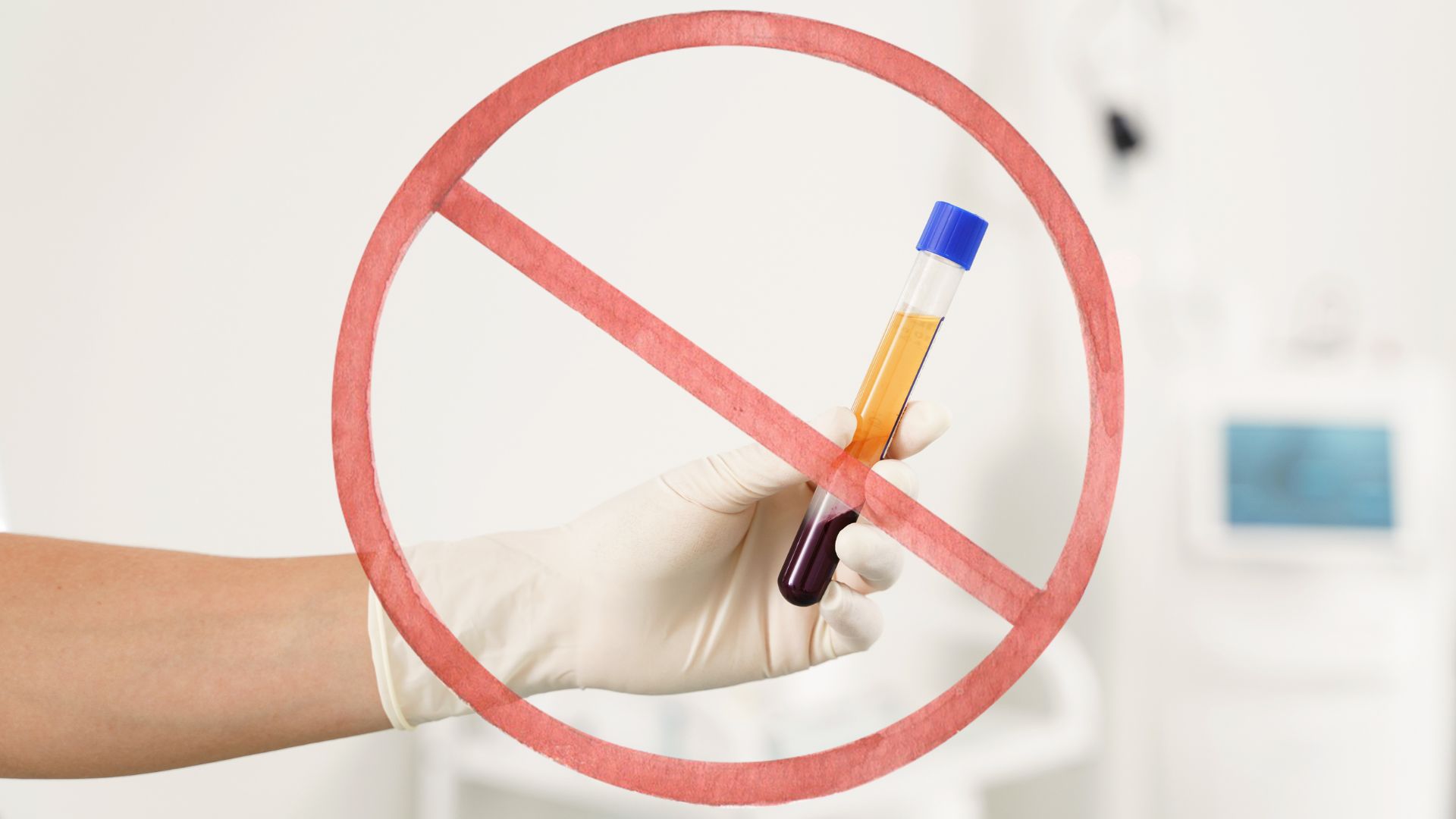
The new advice follows discussions with the Medicines and Healthcare products Regulatory Agency (MHRA), who have now confirmed to CSP that PRP is classed as an unlicensed human medicine in the UK.

As a result, its use is subject to human medicines legislation and no legal or regulatory framework currently exists to allow physiotherapists to use PRP in practice.

The use of PRP as a medicinal product requires a marketing authorisation and manufacturing licence, and physiotherapists are not exempt from this requirement.

Therefore, physiotherapists cannot provide PRP to patients and this practice must stop immediately.

Ash James, CSP director of Practice and Development, said: ‘The MHRA has confirmed this week that, based on the use of PRP by physiotherapists in the UK, they class it as a medicine.

‘That classification as a medicine means that we, as physiotherapists, are subject to the marketing authorisation and manufacturing licencing that exists in the UK, and we do not have an exemption from that licence to be able to utilise PRP. This therefore puts us outside of the legal and regulatory frameworks to be able to continue to use PRP’

As a result, the CSP’s position is that there are now no appropriate circumstances where physiotherapists should be preparing, injecting or utilising PRP therapy with patients and therefore, effective immediately, all physiotherapists should stop utilising PRP with their patients. 

‘It is important that the CSP does everything it can to protect members, particularly if they maybe inadvertently practicing unlawfully.’

The CSP has created a comprehensive PRP injections page that provides further information about these changes and offers detailed answers to frequently asked questions about this issue.

“>

#ActiveFreedom

Continue reading