Understanding joint injections – and whether they can help your pain
Joint pain can slowly change how you move, exercise, and go about daily life. When symptoms don’t settle with physiotherapy, activity changes, or simple pain relief, joint injections are sometimes considered as part of a wider treatment plan.
Joint Injections –
can they help your pain?
Joint pain can slowly change how you move, exercise, and go about daily life. When symptoms don’t settle with physiotherapy, activity changes, or simple pain relief, joint injections are sometimes considered as part of a wider treatment plan.
What to Expect When Getting a Joint Injection
Joint injections are used to help manage pain and stiffness caused by conditions such as osteoarthritis. They are not a cure, but for many people they can reduce symptoms, improve movement, and support a more active lifestyle.
The right injection – or whether an injection is appropriate at all – depends on the joint affected, the cause of pain, and your individual circumstances.
What is a joint injection?
A joint injection places treatment directly into a painful or stiff joint.
This allows the medication to work where it’s needed, rather than affecting the whole body like tablets.
Joint injections are commonly used for the:
→ knee, hip, shoulder, ankle
→ hands, fingers, wrists, and toes
Some clinics use ultrasound guidance to place the needle, although this isn’t always essential.
Why do poeple have joint injections?
Joint injections may be considered when:
→ pain or stiffness isn’t improving with physiotherapy or exercise
→ daily activities are becoming harder
→ flare-ups are limiting progress
→ surgery isn’t needed or isn’t wanted at this stage
They are usually part of a step-by-step treatment plan, not a last resort.
The most common injection is for knee arthritis
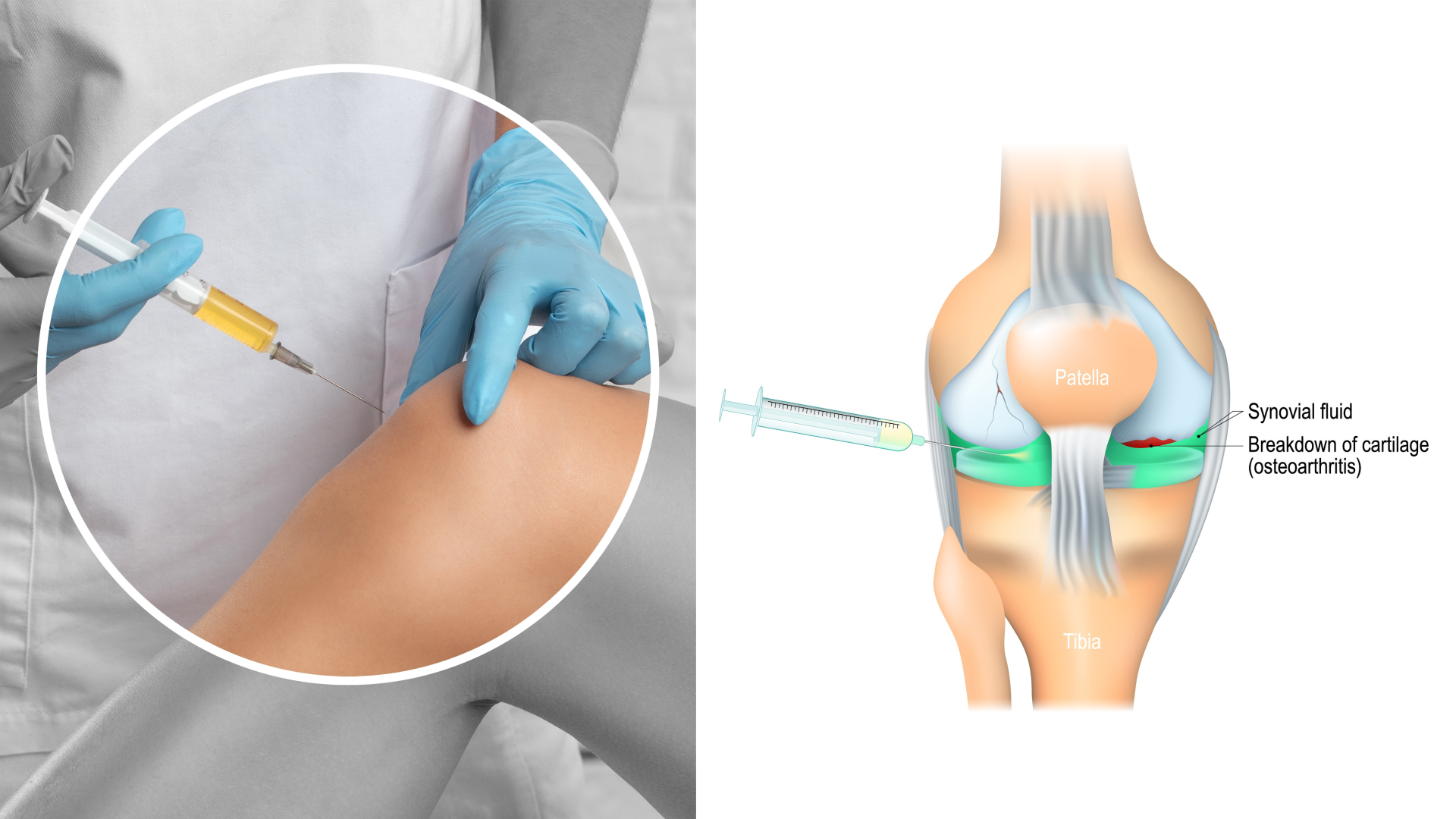
Joint injections are carried out across all joints, and even around tendons when they are painful, like tennis elbow for example. Below is an image of a knee injection.
Typically and commonly offered types of injections
Steroid
Helps reduce inflammation during painful flare-ups, but offers shorter-term relief (6-12 weeks) and repeat injections can have a negative effect
Hyaluronic acid
Helps improve joint lubrication, cushioning and reduces stiffness. Promotes longer-term joint health for mild to moderate osteoarthritis.
Biologics (PRP)
Components from your own blood can support tissue healing and joint health. Often considered when longer-term support is needed.
Combination treatments
Designed to offer earlier pain relief alongside longer-lasting joint support. Typically this is HA combined with steroid or biological options like PRP
What is the overall goal of joint injections?
Joint injections are used to help manage symptoms, not to cure arthritis or permanently “fix” a joint.
The shared goal across all injection types is to reduce pain and stiffness, support movement and daily activity, which also helps people engage more comfortably with exercise or rehabilitation.
Different injections aim to achieve this in various ways, and no single option is right for everyone.
Some joint injections are widely available within the NHS, while others are typically accessed through private clinics. Availability can vary depending on the joint involved, local services, and individual circumstances.
What matters most is understanding the opinions aligned with your symptoms and needs.
What is the process leading to a joint injection?
1) Recognising You Need Help
Joint pain may start gradually or follow an injury. Many people try rest, physiotherapy, exercise, or pain relief first.
When symptoms continue to limit daily life or activity, further assessment may help clarify what’s going on.
2) Getting an Assessment
Some people contact a clinic directly, while others are referred by a GP, physiotherapist, or specialist.
During an assessment, the clinician will take time to understand your symptoms, examine the affected joint, and discuss how the pain is affecting your movement and quality of life. Imaging such as an X-ray or ultrasound may be reviewed or arranged if needed. This stage is about deciding whether an injection is appropriate.
3) Your First Appointment
If an injection is being considered, the clinician will explain the different options that may be suitable for your joint and situation.
This includes what each type of injection aims to do, how long any benefit might last, and what the limitations are. The goal is to help you understand the choices available so you can make an informed decision, rather than feeling rushed into treatment.
4) The Injection Itself
Joint injections are usually carried out in a clinic and take only a few minutes. The area is cleaned carefully, and the injection is placed into the joint. Ultrasound guidance may be used during the injection for some to ensure accuracy. Most people are able to go home shortly afterwards.
5) Aftercare and Recovery
After the injection, you may be advised to take things easy for a short period before gradually returning to normal activity. Some people notice improvement within days, depending on the type of injection, while for others the benefit develops more gradually over the following weeks. Your clinician will explain what to expect and when to get back in touch if you have any concerns.
6) Ongoing Management
Joint injections are usually part of a wider approach to managing joint pain. This may include physiotherapy, strengthening, activity modification, or lifestyle support. For some people, injections can be repeated if symptoms return, while for others they are used more selectively. Decisions are guided by how well symptoms respond over time and the stage of disease.
7) Review and Next Steps
Progress is reviewed to understand how your symptoms have changed and what the next best step might be. For many people, this structured and supportive approach helps reduce pain, improve confidence in movement, and maintain independence over the longer term. If your clinicians ask you to score your pain and pain relief at regular intervals, it’s important to do so, to help develop more information about the ongoing success of your treatments.
Joint injections are available for non-surgical management of joint pain and arthritis.

Cingal
A clinically designed combination of hyaluronic acid and a targeted, safer steroid, developed for quick and longer-lasting relief from osteoarthritis pain
Clinically proven to last significantly longer than a steroid alone

Monovisc
Developed for larger joints to promote lubrication, cushioning, and the regeneration of the joint’s own HA
Used by clinicians to help manage osteoarthritis-related joint pain in the knee, hip, ankle and shoulder, over 3 million times.

Orthovisc
Helping to manage osteoarthritis–related joint pain in smaller joints such as the toes, wrists and fingers, and even tendons (tennis elbow)
Over 20 million injections have been used worldwide.
Free patient downloads, including treatment leaflets and certain products for purcahse are available in our resources and shop area, which include supports, braces, cryotherpay and more