Fingers, Thumb & Hand Osteoarthritis

Small joints. Big impact.

Finger, thumb and hand osteoarthritis (OA) is one of the most common causes of hand pain as we get older. It often starts subtly but over time it can make everyday things surprisingly difficult.

Small joints, but they do a lot of work

And they don’t like being irritated.

Osteoarthritis is a gradual change in the joint where the smooth cartilage that helps movement becomes thinner and less effective.

In the hand, this most commonly affects:

  • The base of the thumb (CMC joint) the most common and often the most painful
  • The end joints of the fingers (DIP joints)
  • The middle joints (PIP joints)

You might notice:

  • Aching or sharp pain with use
  • Stiffness, especially in the morning
  • Swelling around the joint
  • Reduced grip strength
  • Bony lumps forming over time (often called nodes)
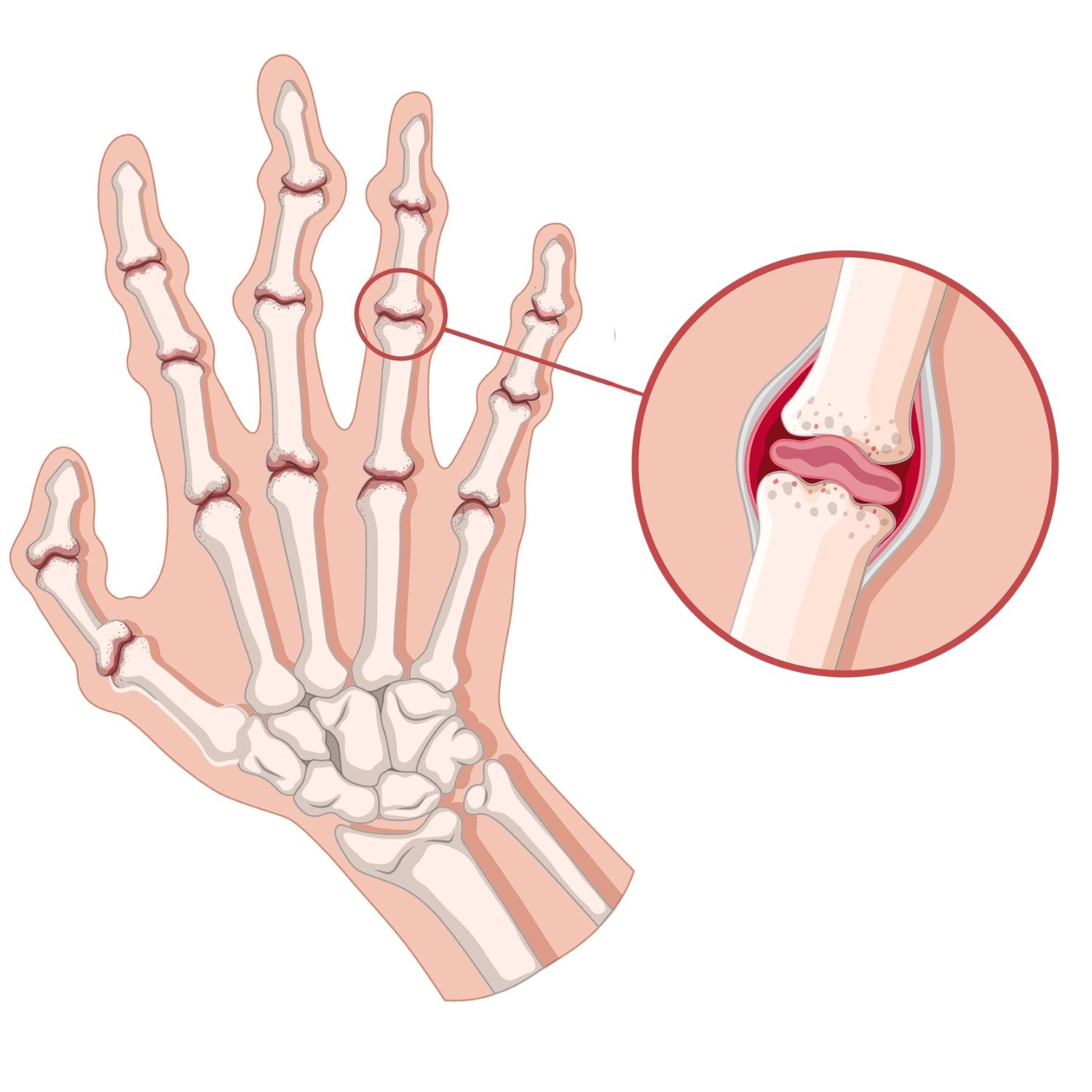
hand oa
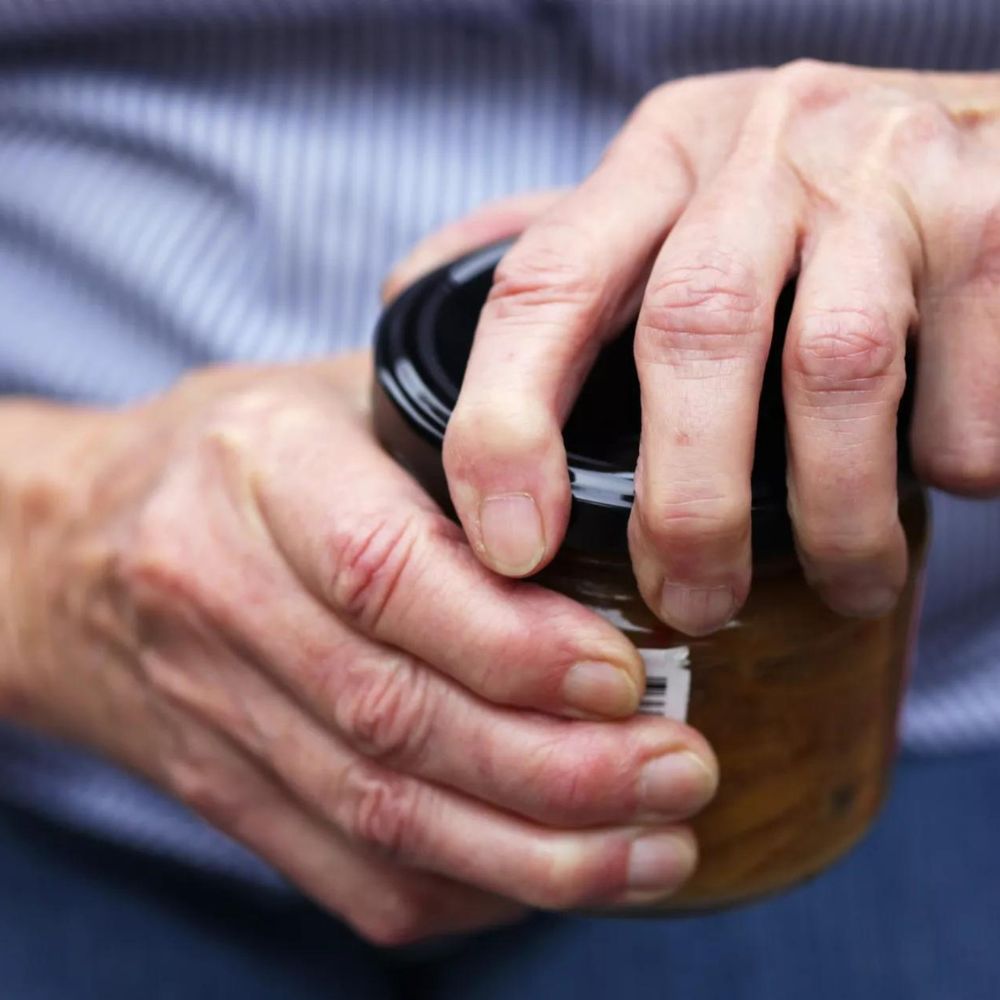
jar

The thumb matters

The thumb matters, maybe more than you think. 

The thumb is responsible for pinch and grip strengthm which means it’s involved in almost everything your hand does. When the base of the thumb becomes arthritic:

  • Grip weakens
  • Pain increases with simple tasks
  • People often start avoiding movement
  • That avoidance can actually make things worse over time.

Why it develops

There isn’t always one clear cause, but common factors include:

  • Natural wear and tear over time
  • Previous injury to the joint
  • Repetitive strain (work, sport, lifestyle)
  • Genetics Joint laxity (looser ligaments)

Thumb OA is particularly common in people who use their hands a lot, both manual work and desk-based repetitive tasks.

A typical pattern

Finger and thumb OA often follows a pattern:

  • Irritation phase – pain, swelling, flare-ups
  • Settling phase – symptoms come and go
  • Structural change – stiffness, shape changes, reduced movement

Not everyone progresses the same way, but understanding this can help guide treatment.

How treatment options are usually considered

Management of finger and thumb osteoarthritis is based on a simple principle seen across guidance from NICE, NHS and European League Against Rheumatism:

keep the joint moving, support it when needed, and manage pain in a way that allows function.

In practice, that usually means combining a few approaches rather than relying on just one. Keeping the hand moving is important. Gentle exercises help maintain mobility and strength, which protects the joint over time and keeps everyday tasks manageable. For the thumb in particular, simple supports like a splint can reduce strain on the joint during grip and pinch activities.

This isn’t about restricting movement, it’s about making movement more comfortable and sustainable. When symptoms flare, short-term measures like activity modification and cold therapy can help settle irritation.

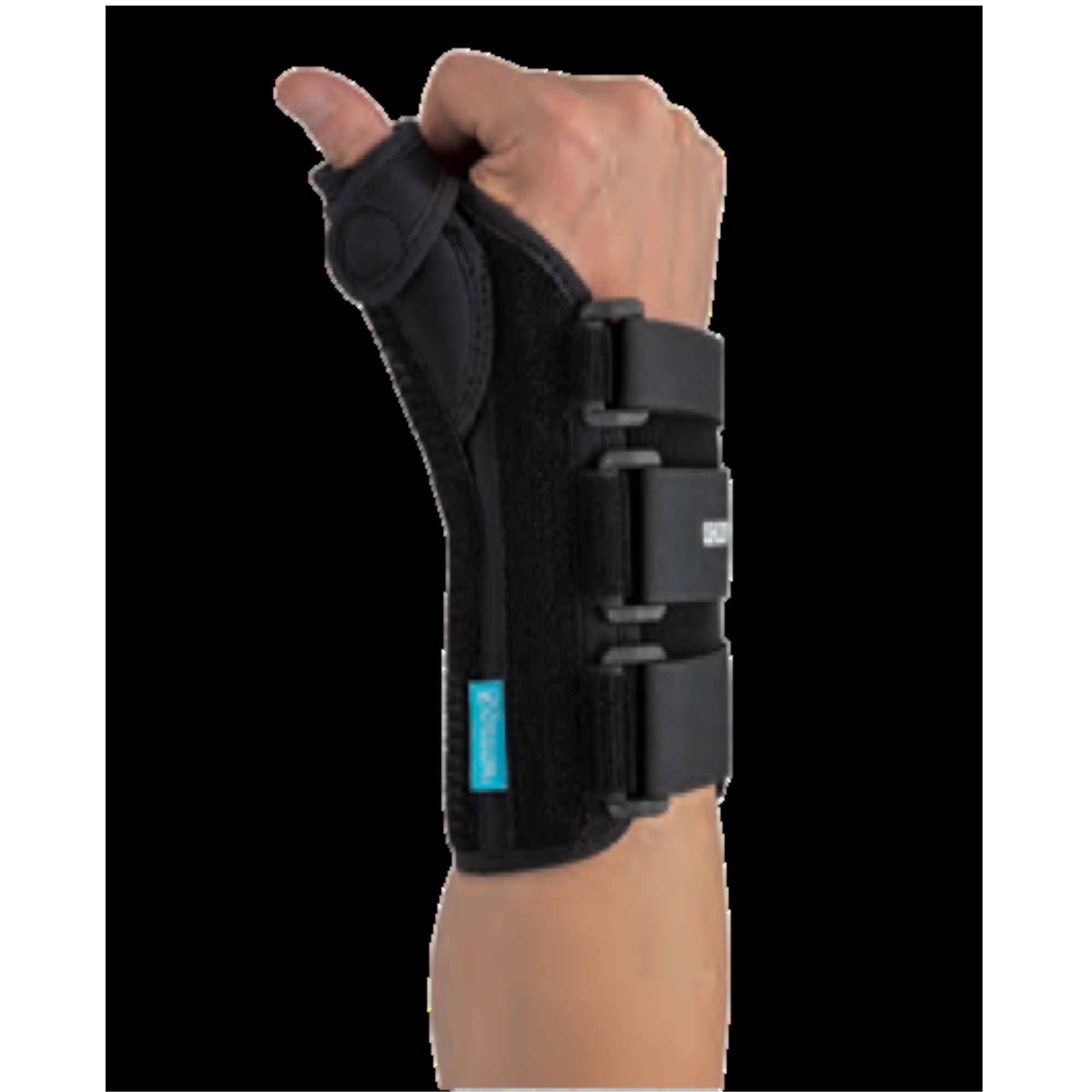
Splints like the Ossur Formfit offer support during painful flares, designed to restrict wrist and thumb motion. It provides immobilisation and protection.

You can read more about the thumb split here;

Ossur formfit thumb spica

Injection therapies

Some people may also benefit from anti-inflammatory treatments during these periods, sometimes combined with a splint.

For more persistent symptoms, injection therapy can play a useful role alongside these foundations. In small joints like the thumb, hyaluronic acid (HA) injections are often used to support the joint environment, helping with lubrication, movement, and longer-term comfort rather than just short-term suppression of pain.

Products such as Orthovisc are designed specifically for this purpose and are commonly used in clinical practice for smaller joints and more targeted treatment. The key is how it all fits together: movement, support, and the right intervention at the right time.

If you’d like to understand more about how HA injections like Orthovisc work;

Visit the Orthovisc page

Download info sheet

Next steps

It’s worth speaking to a clinician if:

  • Pain is stopping normal daily tasks
  • Grip strength is noticeably reduced
  • Symptoms are persistent or worsening
  • You’re relying on pain relief regularly

Early guidance can make a big difference and the simple way to think about it is;

  • Finger and thumb OA isn’t something to ignore, but it’s also not something that needs overcomplicating.
  • The goal is simple: Keep the joint moving.
  • Support it when needed
  • Settle flare-ups early
  • Use injections when they help move things forward

Clinical reasoning that helps make sense

Why a joined-up plan matters

NICE recommends exercise/movement as a core treatment for osteoarthritis and notes that imaging is not needed for every patient. 

This content is based on established UK and international clinical guidance:

  • National Institute for Health and Care Excellence (NICE) – Osteoarthritis in over 16s: management (NG226)
  • NHS – Osteoarthritis advice on exercise, activity, and self-management European League Against Rheumatism – Recommendations for the management of hand osteoarthritis
  • Versus Arthritis – Patient guidance on hand and thumb osteoarthritis, exercises, and splinting

These sources consistently support:

  • Movement and strengthening as first-line treatment
  • Use of splints/bracing for thumb OA
  • A combined, stepwise approach to managing symptoms

Faq’s about Finger and Thumb Arthritis

What is the difference between finger and thumb arthritis?

Finger arthritis usually affects the smaller joints at the ends or middle of the fingers, often leading to stiffness or bony swelling over time.

Thumb arthritis most commonly affects the base of the thumb (CMC joint) and tends to impact grip and pinch strength more significantly.

Why does my thumb hurt when I grip or open jars?

The base of the thumb takes a lot of load during everyday tasks like gripping, twisting, and pinching.

If this joint becomes irritated or arthritic, these movements can quickly become painful.

Will it get worse over time?

Not always. Osteoarthritis can progress, but many people manage symptoms well with the right combination of movement, support, and treatment when needed.

Should I keep using my hand if it’s painful?

In most cases, yes –  within reason. Keeping the joint moving helps maintain strength and function. The aim is to stay active without pushing into significant pain.

Do exercises actually help hand arthritis?

Yes. Simple mobility and strengthening exercises are recommended in guidance from NICE and European League Against Rheumatism to help maintain function and reduce stiffness.

Are thumb splints or supports worth using?
They can be very helpful, particularly for thumb arthritis. A well-fitted splint can reduce strain on the joint during daily activities while still allowing you to use your hand.
When should I consider an injection?

If pain is persistent, affecting daily tasks, or not improving with simple measures, it may be worth discussing injection options with a clinician.

Do injections work for thumb or finger arthritis?

They can do.

Steroid injections may help settle inflammation in the short term, while hyaluronic acid injections are used to support joint movement and comfort over a longer period.

Treatments such as Orthovisc are commonly used in smaller joints like the thumb as part of a broader management plan.

Are injections a long-term solution?

They are usually part of a wider approach rather than a standalone fix. The best results tend to come when injections are combined with movement, strength, and joint support.

When is surgery needed?

Surgery is usually only considered if symptoms are severe and other treatments haven’t helped. For thumb arthritis, options may include joint fusion or replacement, depending on the situation.

Can I prevent it from getting worse?

You can’t always stop osteoarthritis progressing, but you can influence how it feels and functions by:

  • Keeping the joints moving
  • Supporting them when needed
  • Managing flare-ups early

Get in touch

Contact Form Demo (#4)