Platelet Rich Plasma (PRP) for Joint Pain

People usually hear about PRP after trying physiotherapy, pain relief, or sometimes hyaluronic acid injections.

It sits in a group often called biological treatments, which can sound impressive but isn’t always well explained. 

This page is here to answer the practical questions patients commonly ask in the clinic, before, during and after PRP treatment.

Platelet Rich Plasma (PRP) for Joint Pain

People usually hear about PRP after trying physiotherapy, pain relief, or sometimes hyaluronic acid injections.

This page is here to answer the practical questions patients commonly ask in the clinic, before, during and after PRP treatment.

A quick overview to get started

The joint pain injection options

There are three very well studied, tried and tested options for joint pain management via injection treatment.

Platlet Rich Plasma (PRP)

Prepared from a sample of your own blood and contains concentrated platelets. Platelets release signalling proteins that interact with joint tissues and may influence how the joint responds to stress and recovery over time.

Hyaluronic Acid

A naturally occurring component of healthy joint fluid. The injection aims to support the joint’s movement environment, often improving comfort, smoothness, and day-to-day tolerance of activity.

Read more here

Steroid

A corticosteroid injection is used to settle inflammation inside the joint. It can reduce pain during a flare and make movement easier for a shorter period of time, allowing normal activity and rehabilitation to restart.

Important note

Injection treatments are never the final or ‘all-solving’ procedure. They are very helpful adjuncts to proper rehab & physio, weight management, good nutrition and so on. Committing to a holistic lifestyle approach alwasy gives greater longer term results.

PRP is categorised as a “biological” treatment

What does mean?

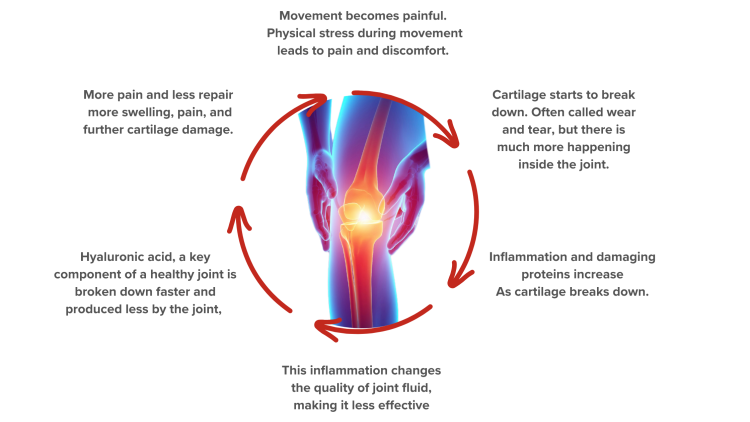
A biological treatment aims to change the joint environment at a cellular level. Osteoarthritis isn’t just “wear and tear”. It’s a joint that becomes stuck in a loop:

irritation → inflammation → tissue breakdown → more irritation

Steroids can interrupt inflammation. HA can improve the joint environment and movement comfort. PRP tries to change the signalling inside the joint, nudging it away from chronic inflammation and towards a more stable state. Different tools, different jobs.

The biological vicious arthritis cycle

Arthritis is really an interplay of biology and joint health, with the mechanical issues like alignment and joint damage.

Arthritis is often described as damage, but in reality, when active in a flare, it behaves more like a joint that has fallen into the wrong pattern. The joint is still alive. Cells are still active, but part of the issue is that they are receiving the wrong signals.

Some treatments mainly calm the symptoms. Some improve how the joint moves and feels day to day.

Biological treatments try to influence the signals themselves. So instead of asking: “How do we block the pain?”

With treatments like PRP, we ask: “Can we help the joint behave more normally again?”

What is PRP?

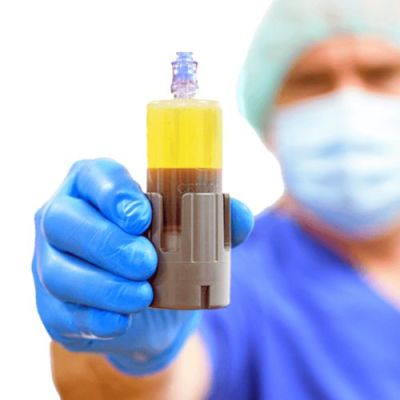
Platelet Rich Plasma is made from a small sample of your own blood.

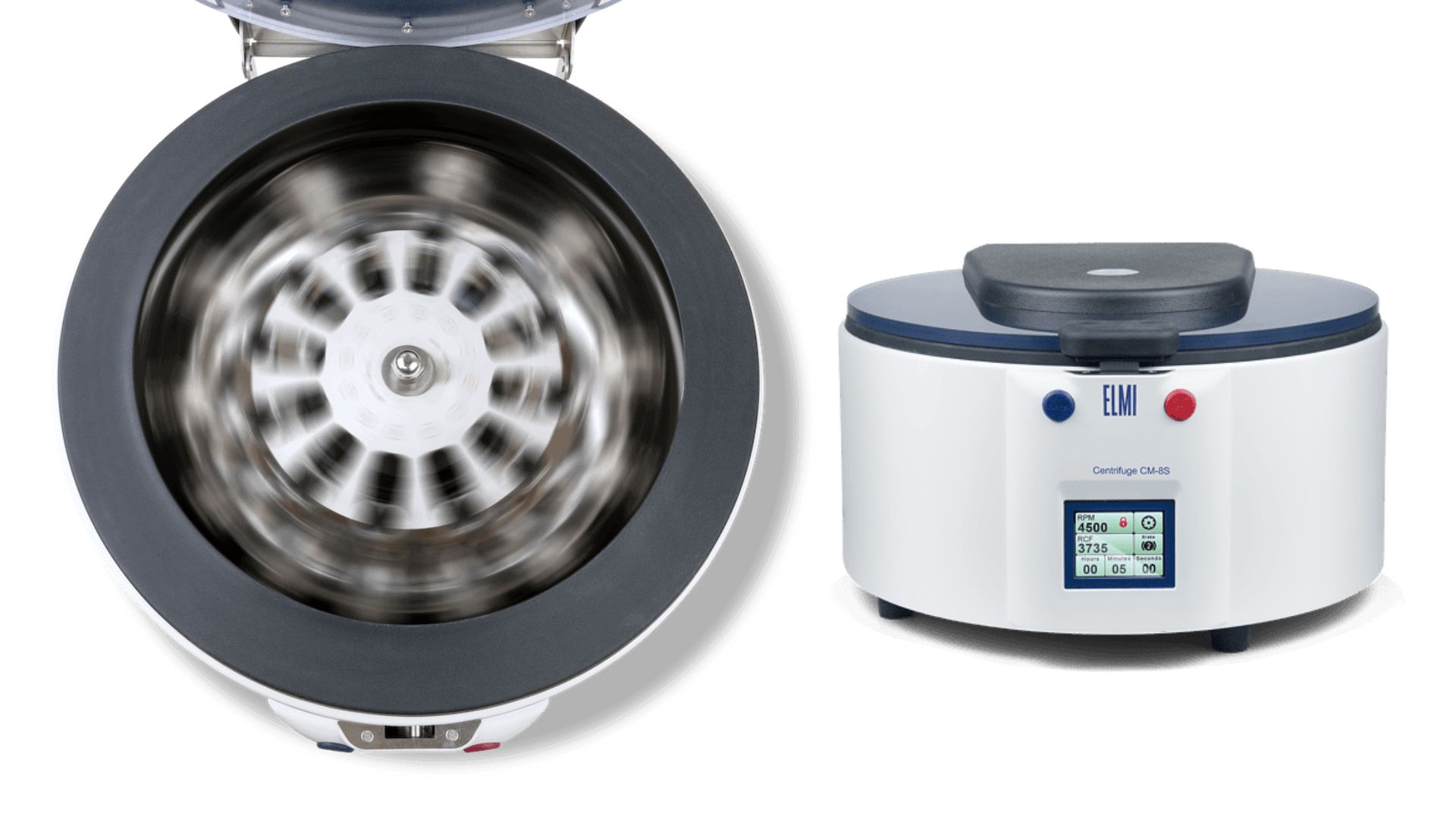
The blood is spun in a centrifuge so that the platelets become concentrated. 
prp

What are the platelets and what do they do?

You may think of platelets as “the clotting bit” in blood. But platelets also act like tiny storage units of signalling molecules. When platelets are activated, they release proteins involved in:

• Inflammation signalling

• Tissue repair signalling

• How cells behave after stress

In an osteoarthritic joint, the problem isn’t just the cartilage. Symptoms are influenced by many things with in joint, three of the key considerations are:

• The synovial lining, which produces joint fluid and drives much of the inflammation

• Cartilage cells, which react to their environment

• The bone beneath the cartilage

PRP is used because its signalling molecules may interact with this wider joint environment.

Importantly, we cannot predict exactly who will respond, and it does not regenerate cartilage.
The aim is to improve how the joint behaves, not to rewind the clock.

Platlet Rich Plasma has been used to support joint pain for many years

Techniques and understanding the best approach are developing all the time,

1

PRP is not about getting ‘rid of’ or ‘curing’ arthritis

What is PRP trying to change in real life?

What tends to be the tyipcal feedback is ‘my knee stopped reacting to everything, and I recover quicker after walking’ or ‘I’m not getting the tennis elbow/tendon pain flares’ and ‘my recovery and swelling is consistently better’

So the goal is usually better tolerance, fewer flare-ups, and better function. Allowing an active life without the pain. 

1

Why do people do PRP as a series of injections?

Two practical reasons clinicians consider this:

  1. The release of platelet signalling cells has a limited time, so there is a ‘ priming and top up’ theory.
  2. Repeating the stimulus over a few weeks may produce more consistent results than a single exposure.

A 3-injection series is a commonly used approach in practice, but as techniques develop, this may not alwasy be the case.
Why do people do PRP as a series of injections?

Two practical reasons clinicians consider this:

  1. The release of platelet signalling cells has a limited time, so there is a ‘ priming and top up’ theory.
  2. Repeating the stimulus over a few weeks may produce more consistent results than a single exposure.

A 3-injection series is a commonly used approach in practice, but as techniques develop, this may not alwasy be the case.

2

The dose of PRP matters in success rates; higher concentrations are needed for larger joints like the knee 

3

PRP tends to take effect in a gradual manner, with the benefits building over the first couple of months of treatment. 

When will I notice results?

Week 1 to 2 – sometimes no to slight change and there can be slight pain in the first couple of days.

Week 3 to 6 – commonly, people begin noticing the joint is calmer, less reactive and activity starts to feels more possible.

Week 6 to 12 –  this is often where the real functional gains show up, you can walk further, train more consistently, fewer setbacks, which leads to maximum benefits at 6 months. 
3

The PRP Procedure – what to expect

If you’re considering PRP, it helps to know what the day actually looks like.

Most appointments follow a similar structure, which is carried out in an appointment normally around 30–45 minutes. Typically within a clinical room or clinical office environment. 

Afterwards, you can usually walk out of the clinic. Most people drive themselves home.

taking blood

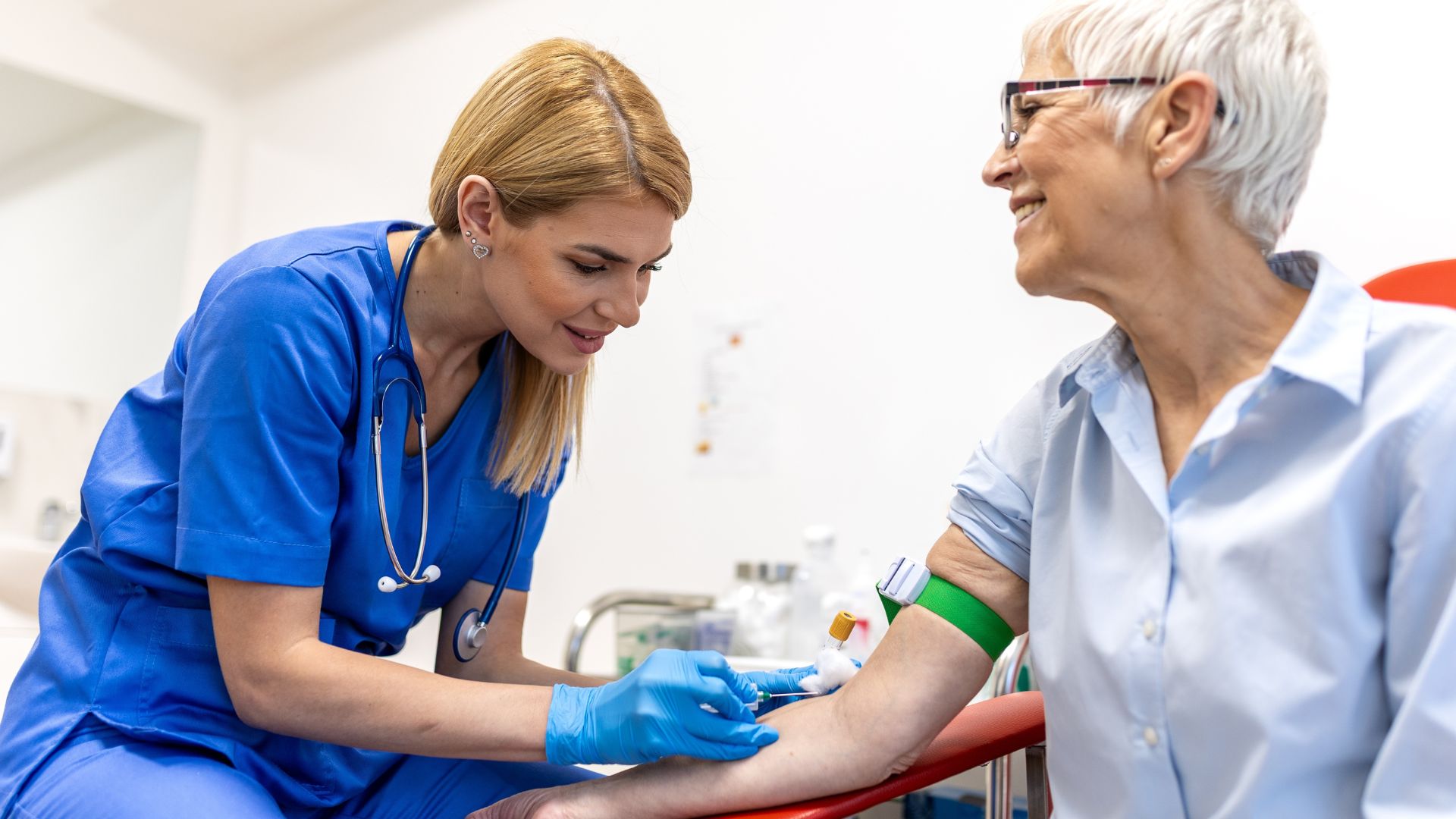
1) Small Blood Sample taken

Usually from your arm, simialr to a routine blood test
centr

2) The blood is spun at high speed in a centrifuge

This separates the platelets from the rest of the blood. The process typically takes around 10 minutes
prp spun

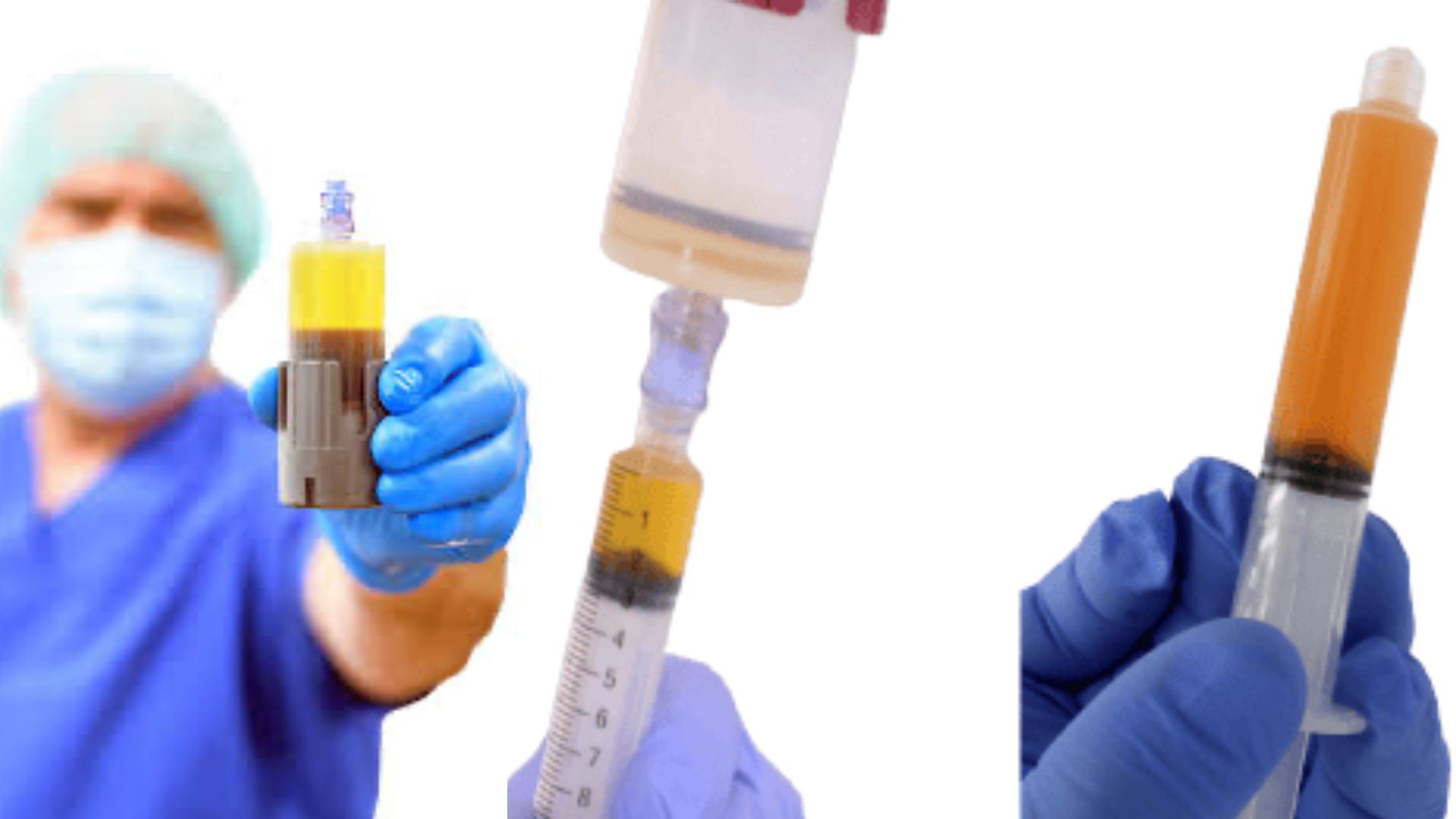
3) The golden coloured platelet layer is separated

The concentrated platelet portion is drawn into a syringe and sometimes spun again to further concentrate, or is ready to inject
injection prp

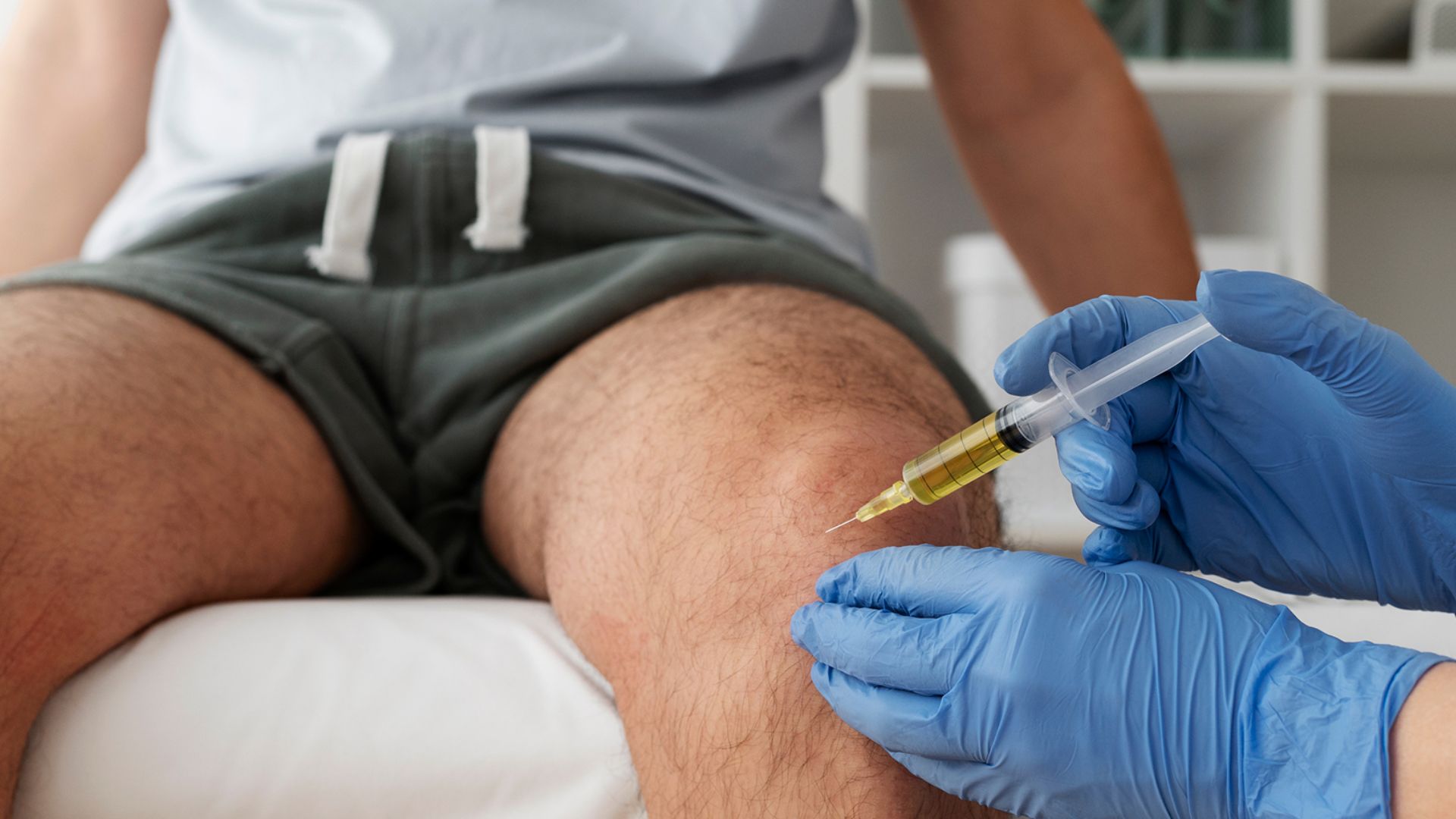
4) The joint / area is injected

Either the joint or the tendon area, depending on the reasons for the injection are wiped clean and the injection is delivered.

PRP preperation

This short video shows how PRP is prepared. You don’t need to understand every step — it’s simply here to help you visualise the process.

After the injection

You may experience;

• Mild soreness or heaviness in the joint for a few days

• A temporary increase in stiffness, depending on the volumes injected.

• Clinicians often advise: Taking it easy for 24–48 hours. And key advice – avoid anti-inflammatory medication (brufen) unless advised.

Is PRP right for you?

PRP is often discussed with people who:

• Have ongoing joint pain despite physiotherapy or simple pain relief

• Want to stay active and improve tolerance to movement

•Are looking for options before considering surgery

•Have mild to moderate osteoarthritis

It’s also sometimes used for tendon problems, depending on the clinical assessment. PRP tends to be considered when the goal is to improve how the joint behaves over time, rather than simply settling a short-term flare.

PRP is not a universal solution.

It may be less helpful in situations such as:

• Advanced “bone-on-bone” arthritis

• Significant joint deformity

•Certain blood disorders

•Active infection

• When inflammation needs urgent suppression (where steroid may be more appropriate)

A proper assessment is important. Not every joint problem responds in the same way.

Is PRP safe?

PRP uses your own blood, which reduces the risk of allergic reaction. Like all injections, there are small risks to consider like temporary soreness or short term flares. There is a low risk of infection (similar to other joint injections), and because the material comes from your own body, systemic side effects are uncommon.

Your clinician should discuss your medical history, medications (including blood thinners), and suitability before proceeding.


Find a trusted clinic near you

Contact Form Demo (#4)