Osteoarthritis (OA):
Understanding is the first step

A clear guide to osteoarthritis (OA): symptoms, diagnosis, flare-ups, and treatment options, including physiotherapy, injections, bracing, cold compression, and health basics.

OA sufferers can be hopeful

Osteoarthritis is one of the most common reasons people develop ongoing joint pain, but it’s also one of the most misunderstood. It’s often described as “wear and tear”, which makes it sound like the joint is simply worn out and there’s nothing to do except put up with it. The reality is more hopeful than that. Osteoarthritis is a living, changeable condition involving cartilage, bone, inflammation, the joint lining, and even the way your muscles support the joint. The right plan can reduce pain, improve function, and help you start moving more again.

What is Osteoarthritis?

Osteoarthritis (OA) is a condition that affects the whole joint, not just the cartilage. Over time, the surfaces and structures inside and around the joint can change, including cartilage quality, the bone beneath it, the joint lining (synovium), and surrounding soft tissues. That combination can lead to stiffness, aching, swelling, and a loss of confidence in the joint.

The key thing to know is this: pain and damage don’t always match. Some people have visible OA changes on X-ray with very little pain, while others have significant symptoms with only mild imaging changes. Your symptoms matter, and they can be improved.

Stages matter, but not as much as your symptoms

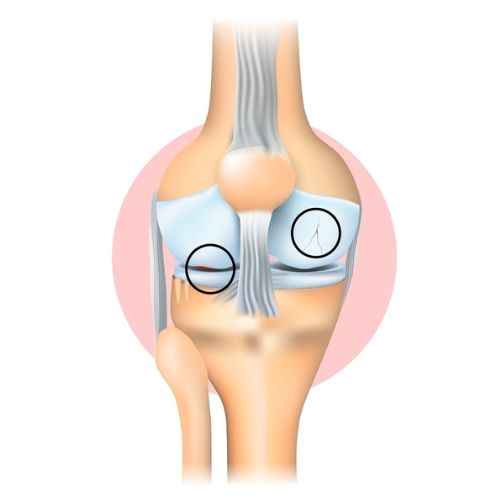
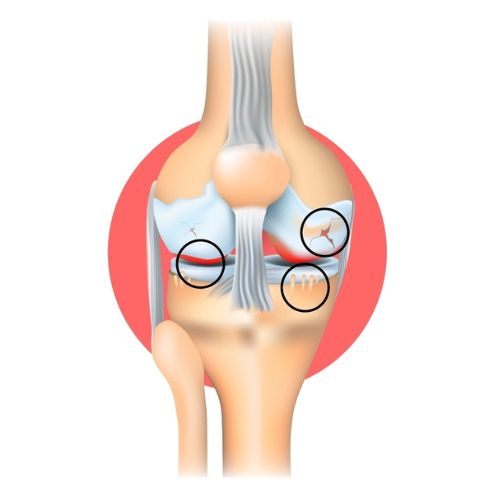
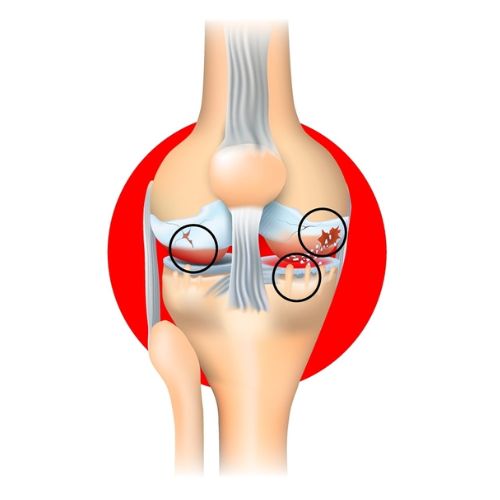
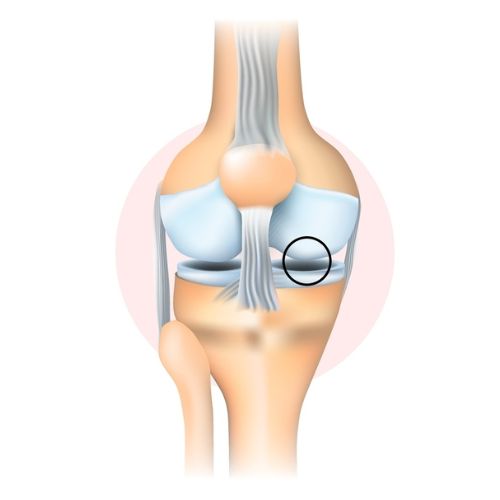
You’ll often see osteoarthritis described in stages (like the image below). This is usually based on how the joint looks on an X-ray, things like changes in cartilage space, small bony growths (osteophytes), and how the bone beneath the cartilage is responding over time. It can be a helpful way to understand what clinicians mean when they say “mild”, “moderate”, or “advanced” osteoarthritis.

Stage 1 Doubtful

Minimum disruption but already 10% cartilage loss, which starts the cascade or worsening damage within the joint

Stage 2 Mild

Joint-space narrowing. The cartilage begins breaking down with the bone roughening underneath

Stage 3 Moderate

Joint space is now reduced with gaps in the cartilage forming through to the bone causing greater pain on movement

Stage 4 Severe

Joint-space greatly reduced and 60% of the cartilage is now, lost with roughened bone surface visible

Whats happening during the OA stages
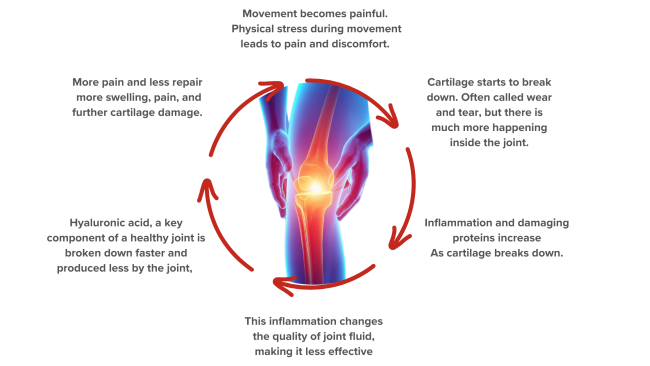
Osteoarthritis happens when the protective cartilage in your joints wears down over time. This cartilage normally acts like a cushion, allowing smooth movement. When it becomes thinner or rougher, the joint can become inflamed, stiff, and painful.

Techniques, excercises and treatments that can intervene in this vicious cycle can halt the progression of OA and help you lower pain and stay active.

Arthritis is a journey, not a destination

Signs and symptoms

People experience osteoarthritis differently, but the pattern is often familiar: discomfort with activity, stiffness after rest, and flare-ups that can come out of nowhere. You might notice pain during or after walking, stairs, kneeling, or sports, stiffness first thing in the morning or after sitting, a joint that feels swollen or puffy, clicking or grinding (which can be normal), or that slightly unsettling feeling that the joint is less trustworthy than it used to be. Symptoms can be felt across multiple joints from toes, ankle, knee, hip, shoulder, elbow, wrist and fingers. 

Why can symptoms flare?

Flare-ups are one of the most frustrating parts of OA. Often it’s not one single cause, it’s a mix of factors like activity spikes (doing more than your joint has been conditioned for), low recovery, stress and poor sleep, a bit more joint irritation/inflammation, or compensating movement patterns that overload one area.

The important bit: a flare does not automatically mean the joint is “getting worse”. It often means it’s irritated, and irritation can settle.

Getting diagnosed

OA is usually diagnosed based on your symptoms and a clinical assessment. Imaging can be useful, but it’s not the full story.

X-ray, MRI, or Ultrasound scans give a fuller picture, and having a scan is an idea in many circumstances. But the best plans are always based on your symptoms and goals, not a single image.  

Treating how you feel and not what a scan has shown is a really important mindset to stay in.

Options before joint replacement

There are many ways to help manage joint pain. First, considering an overall healthy lifestyle, with a good nutritional diet and sensible weight control, can help you a lot and give back some control over the disease. 

For some, these things may be in place already, so targeted physio, cryotherapy, compression and bracing, then up to joint injections can help to enhance joint health, slowing disease progression and making an ongoing active life easy to continue with. 

Joint Replacement

Sometimes joint replacement is the best option, but it is rarely the first option, and do not worry about seeking second and third opinions from healthcare professionals oif you feel a joint replacement is offered too early in your journey.

Treating osteoarthritis is not a linear, cut-and-paste approach from patient to patient. If you feel uneasy about any diagnosis, advice, and next step, its alwasy worth meeting with another clinician, especially if you feel joint replacement is offered to early for you.

On-going support

There is no cure for Arthritis, and to date, treatments in general tend to help with pain management and delay the progression. There is an undoubted mental toll that also takes on patients that is often not given the proper attention.

It could while managing the symptoms or after a joint replacement, but always remember to reach out to resources, friends, family and your healthcare professional if you feel yourself struggling. 

What can help manage osteoarthritis?

Most people do best with a combined approach. This is no one magic treatment and everyone responds slightly differently depending on the affected joint, severity, and expectation of the individual!

Read more detail about three very common types of arthritis
knee oa

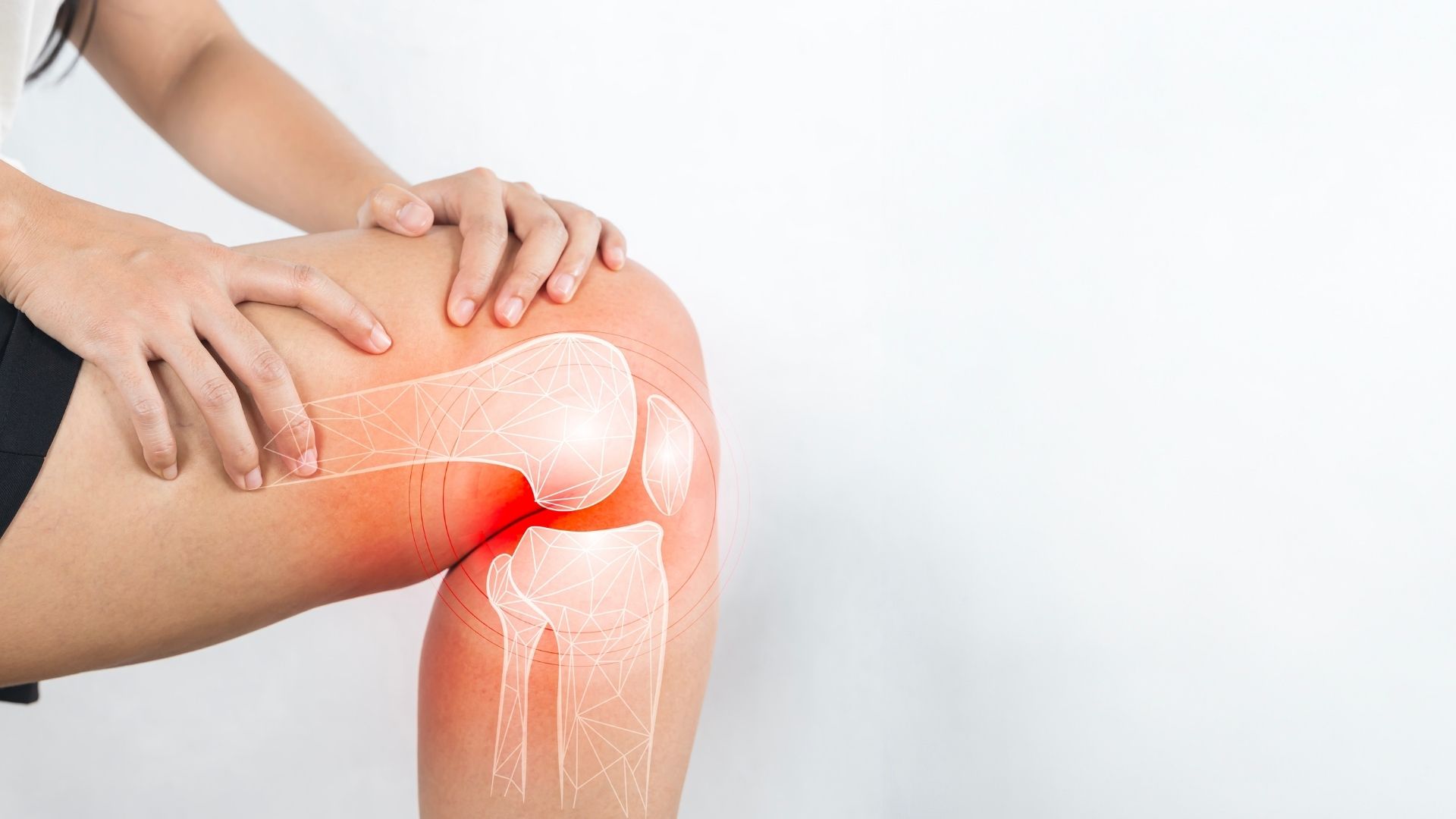
Knee Arthritis

The knee is one of the most common joints affected by osteoarthritis. As the cartilage wears, the joint can become painful, stiff and swollen, especially during walking, climbing stairs or after activity.
hip pain

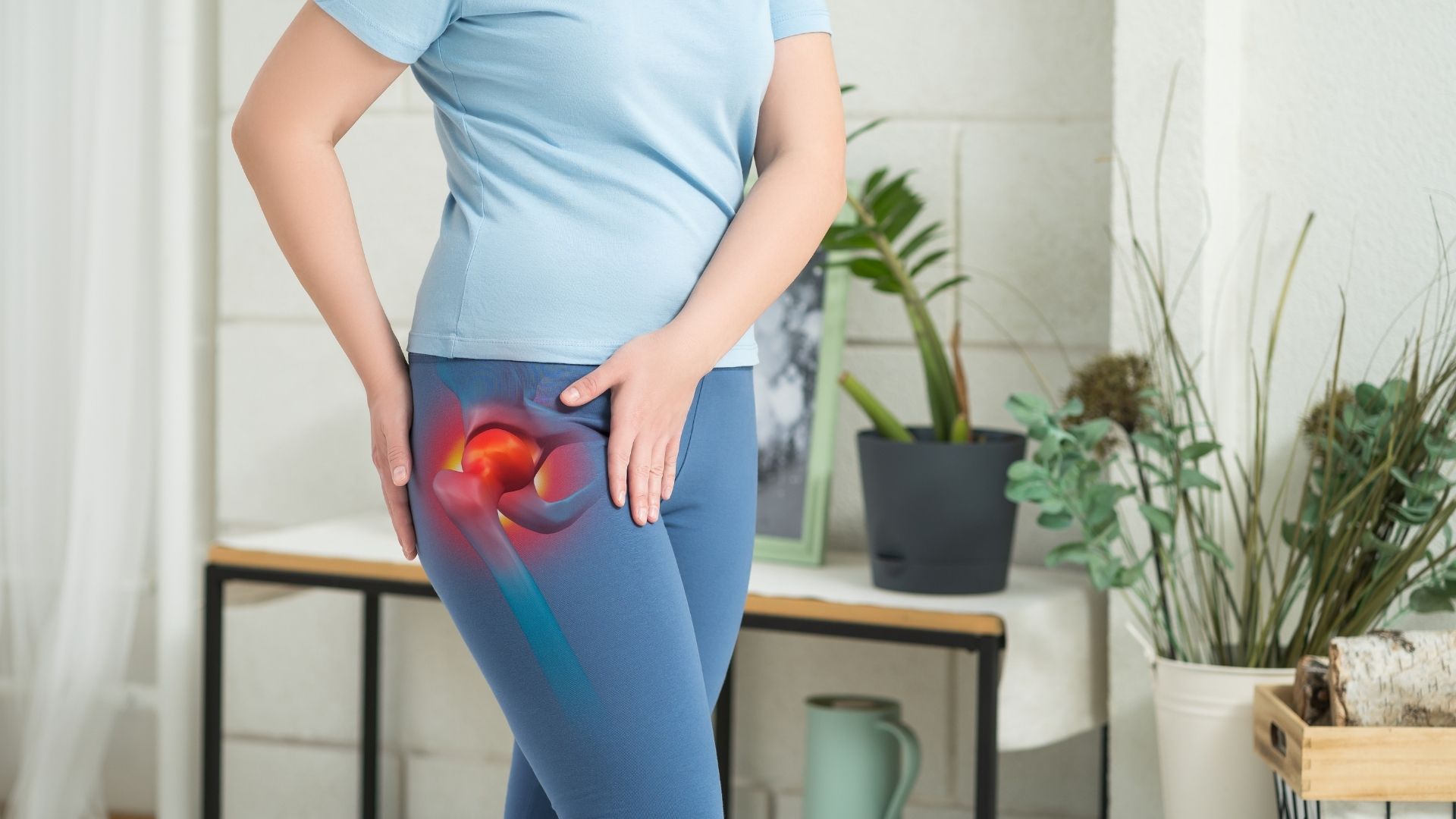
Hip Arthritis

Hip arthritis can cause deep aching pain in the groin, thigh or buttock, often making walking, sitting and everyday movement uncomfortable. It usually develops gradually as the smooth cartilage of the joint wears over time.
toe oa

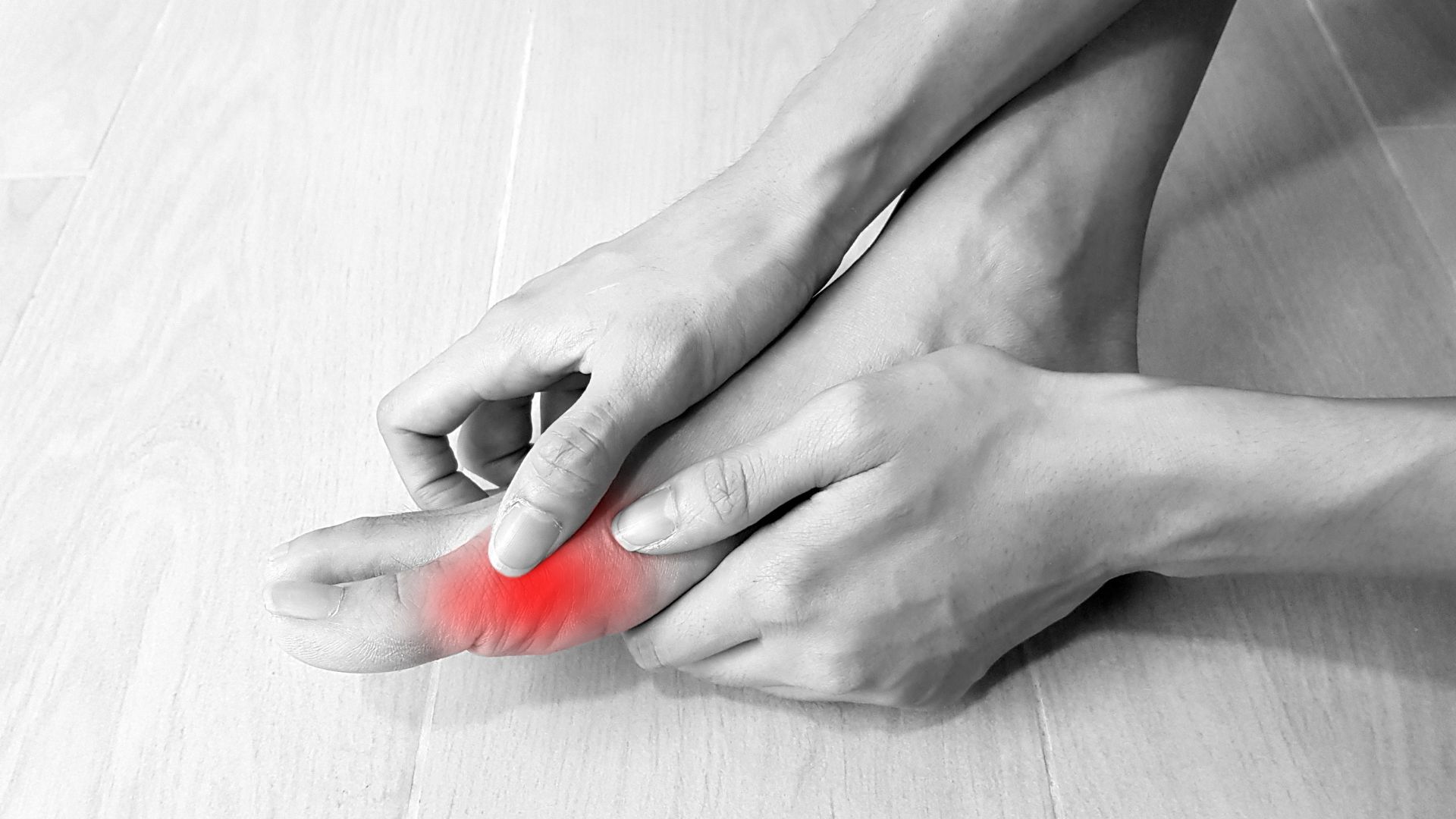
Toe Arthritis

Arthritis of the big toe joint can make walking surprisingly painful, particularly when pushing off during a step. Over time the joint becomes stiff, swollen and harder to bend.

There are options available for non-surgical management of joint pain and arthritis.

Free patient downloads, including the treatment leaflet and certain products for purcahse are available in our resources and shop area, alongside optional braces and supplements.

Find a trusted clinic near you

Contact Form Demo (#4)